
All about Dogon art
What's the story
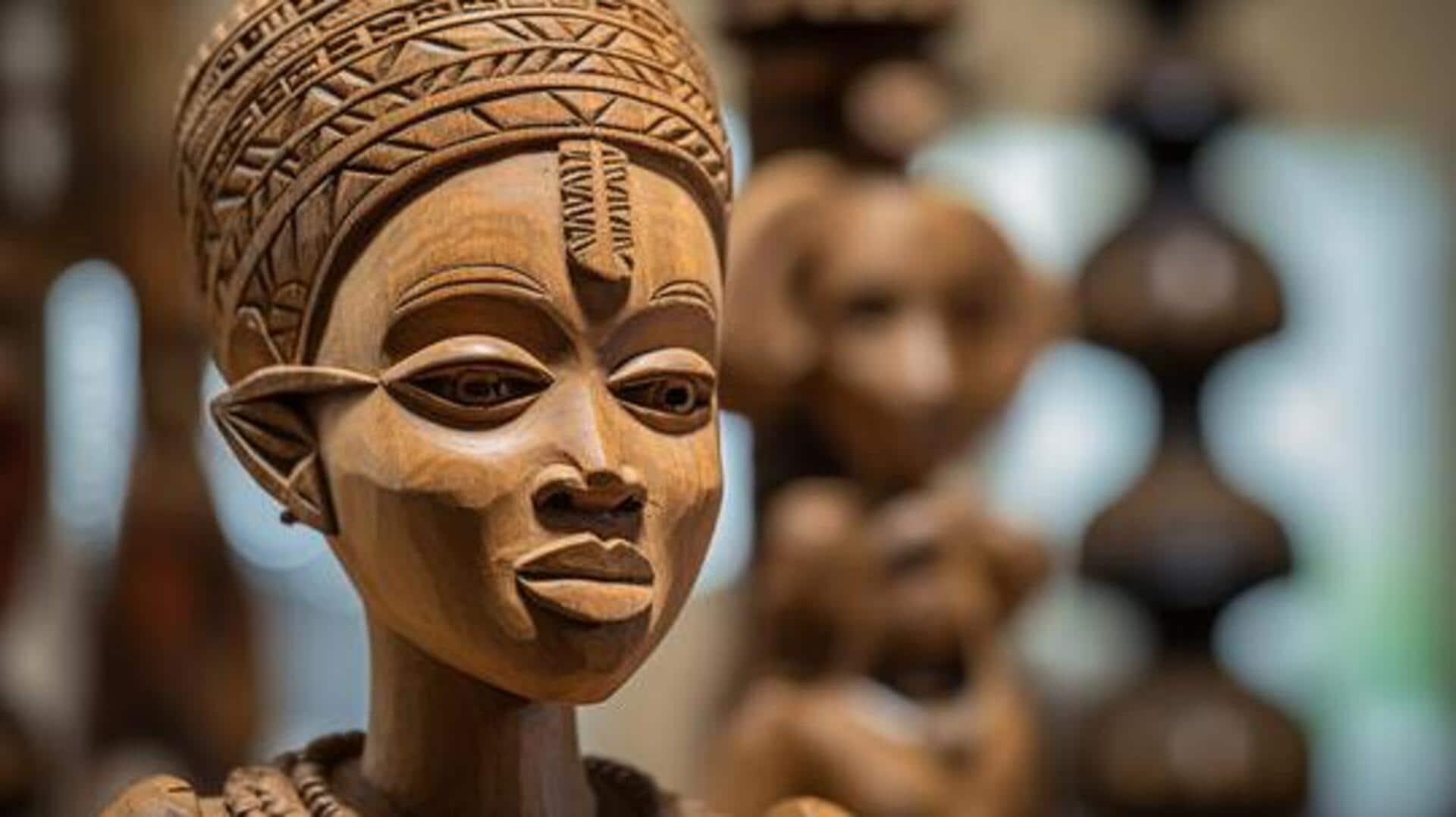
The Dogon people of Mali are famous for their unique sculptures, which are a blend of cultural significance and artistic brilliance. These sculptures can be a great source of inspiration for modern artists looking to incorporate traditional African art into their work. By studying the styles, techniques, and themes of Dogon sculptures, artists can create pieces that pay homage to this rich heritage while adding a contemporary twist.
Techniques
Understanding Dogon sculpture techniques
Dogon sculptures are characterized by their elongated forms and intricate details. Artists often use wood or clay to create these pieces, employing traditional carving methods passed down through generations. The use of geometric shapes and symbolic elements is common, reflecting the spiritual beliefs and social structures of the Dogon people. Modern artists can experiment with these techniques by incorporating new materials or methods, while maintaining the essence of the original style.
Themes
Exploring themes in Dogon art
The themes present in Dogon art are often rooted in mythology, astronomy, and daily life. Sculptures may depict deities, ancestral figures, or scenes from folklore. These themes provide a narrative quality that can be adapted by contemporary artists seeking to tell stories through their work. By exploring similar themes in their creations, artists can establish a connection between past and present artistic expressions.
Symbolism
Incorporating symbolism from Dogon sculptures
Symbolism plays a key role in Dogon art, with every element having a specific meaning related to spirituality or community values. For instance, certain shapes may represent fertility or protection. Artists can take inspiration from these symbols by adding them into their own designs as a way of adding depth and significance to their artwork.
Materials
Experimenting with materials inspired by Dogon art
Traditionally, Dogon sculptures are made from wood, clay, and metal. However, modern artists can experiment with a range of materials such as resin or recycled objects to create new interpretations of this classic style. Using different textures or finishes can add an interesting dimension to the artwork without losing its cultural roots.