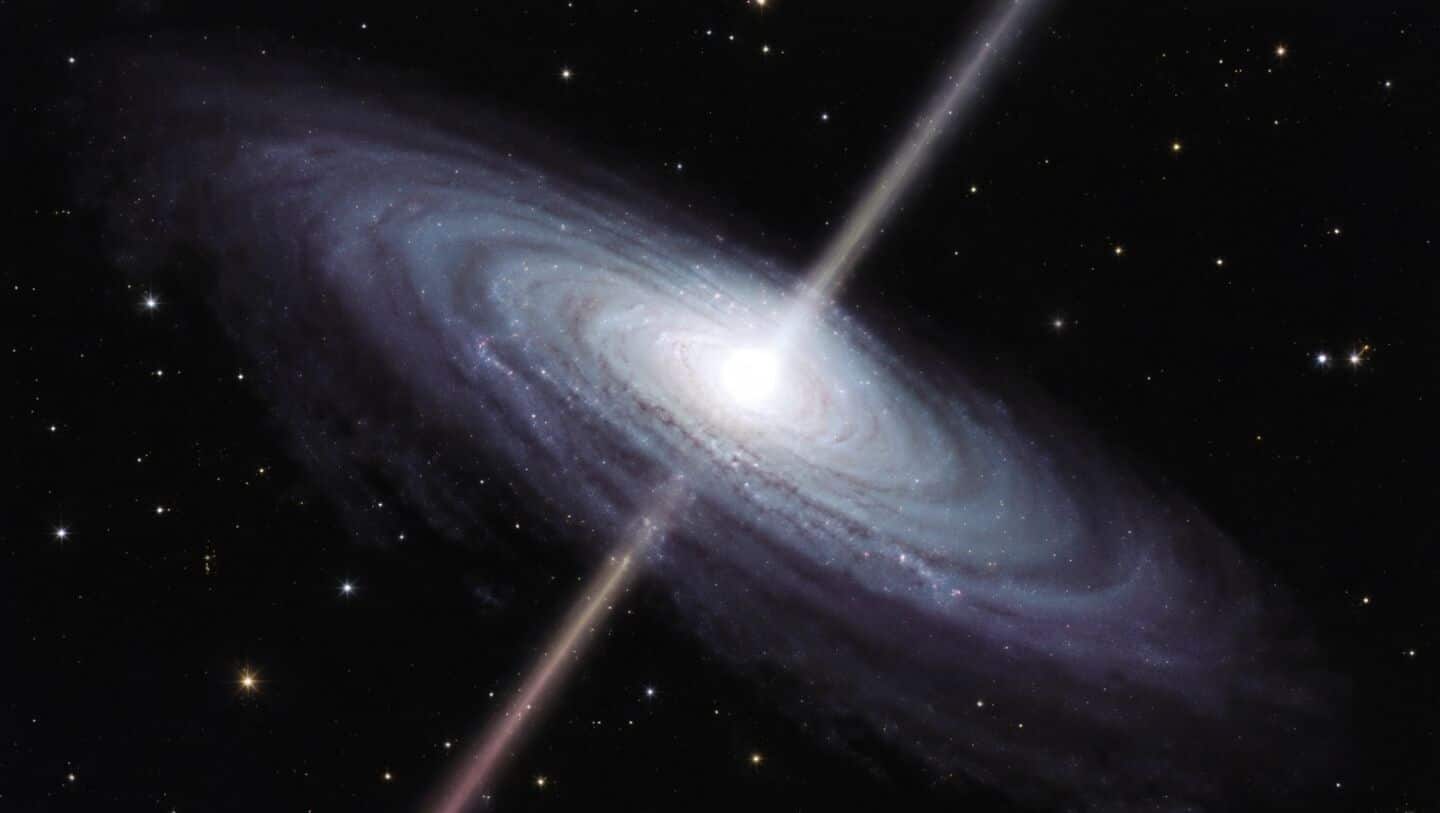
Francesco Di Filippo's study suggests charged black holes avoid singularities
A new study published in Physical Review Letters in April 2026 suggests black holes may not actually have those mysterious singularities where physics breaks down.
Francesco Di Filippo from Goethe University looked at charged black holes and found that charge-induced repulsion and Hawking radiation could stop singularities from forming in the first place.
Remnants could help explain dark matter
Di Filippo's work tackles two big headaches in general relativity, singularities and unpredictable space-time beyond a certain point.
Even cooler, the research hints that these ideas could apply to other black holes found in nature, not just charged ones.
Plus, it opens up new ways to think about dark matter: if these black holes do not totally disappear but leave behind tiny remnants, those leftovers might help explain where dark matter comes from.