
Iran's water crisis: President warns of possible evacuations
What's the story
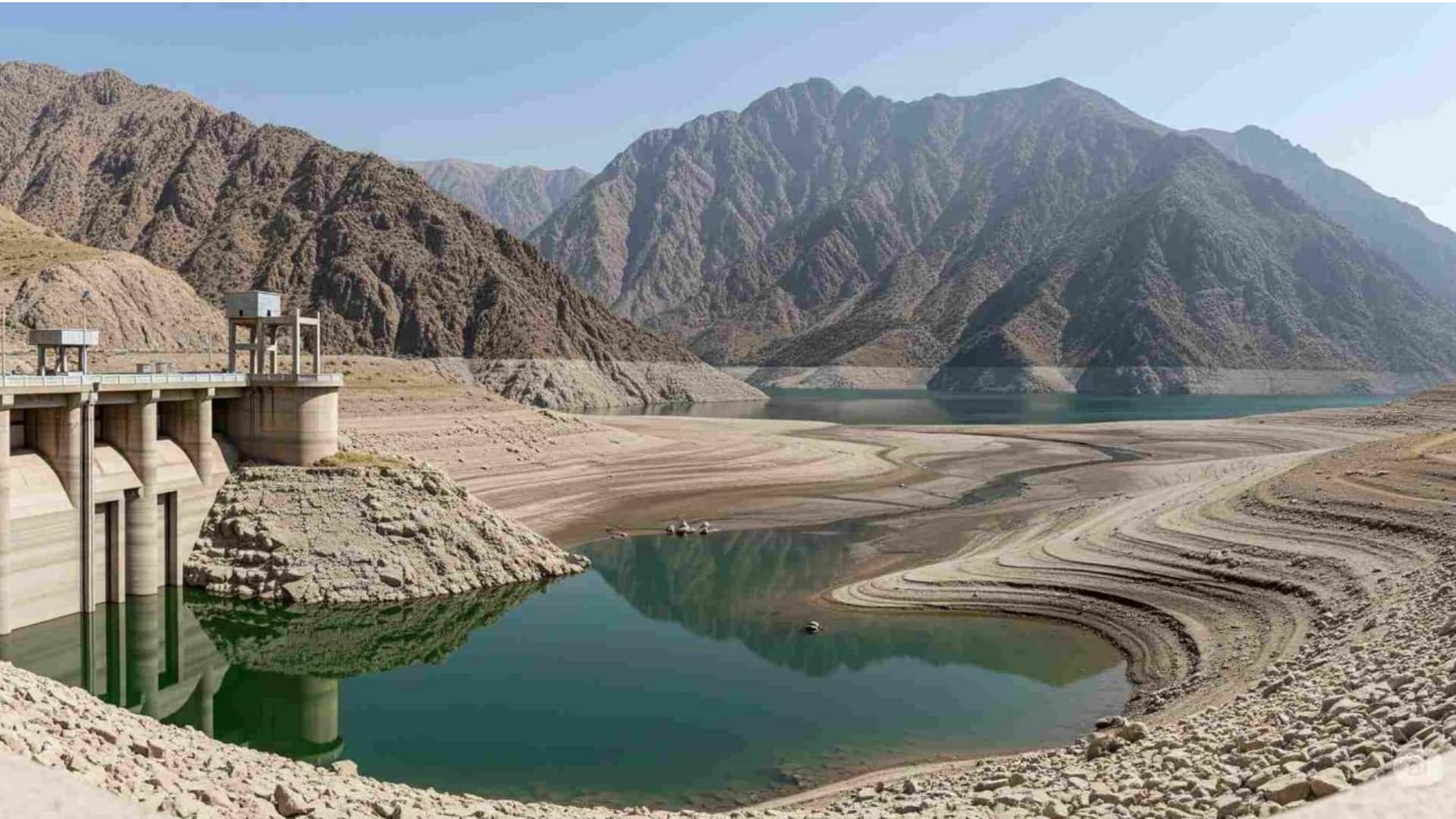
Iran is facing a severe water crisis, with President Masoud Pezeshkian warning that residents may have to evacuate if it doesn't rain in the city by December. The situation is particularly dire in Tehran, where the main reservoirs are only 11% full, according to the Tehran Provincial Water and Sanitation Authority, as reported by Mehr News Agency. The Latyan Dam and Amir Kabir Dam are also at dangerously low levels, posing a threat to the city's water supply.
Widespread drought
Iran's water crisis impacts multiple provinces
According to Reuters, the water crisis isn't limited to Tehran. Around 20 provinces haven't seen rain since late September, and about 10% of the country's dams are nearly empty. This is Iran's worst drought in four decades, with water levels shrinking at an unprecedented rate for this time of year. The situation has led experts to declare that Iran is in "water bankruptcy," as it extracts resources faster than they can be replenished.
Contributing factors
Climate change and mismanagement exacerbate Iran's water crisis
The roots of Iran's water woes are similar to those in other parts of the world: decades of over-extraction, aging infrastructure, and mismanagement. Climate change is also a major factor, driving hotter and drier weather that prevents reservoirs from being replenished. The government has aimed for food self-sufficiency, which has led to increased irrigated agriculture in arid regions.
Infrastructure issues
Urbanization and aging infrastructure worsen water crisis
Urbanization has increased water demand, while aging infrastructure causes significant water loss. An estimated 30% of treated drinking water is lost through leaky systems. The climate crisis is now in its sixth year, with low rainfall and high temperatures exacerbating the situation. A recent analysis found that human-caused climate change has made these conditions possible.
Response challenges
Government's response to water crisis faces criticism
The government's response to the crisis has been criticized for being fragmented and inconsistent. This has led to mistrust among residents, who have even speculated about foreign powers manipulating Iran's weather. While evacuation seems unlikely, temporary measures like emergency public holidays have been implemented to conserve water. Cloud seeding efforts have also been tried, but their effectiveness remains debated.