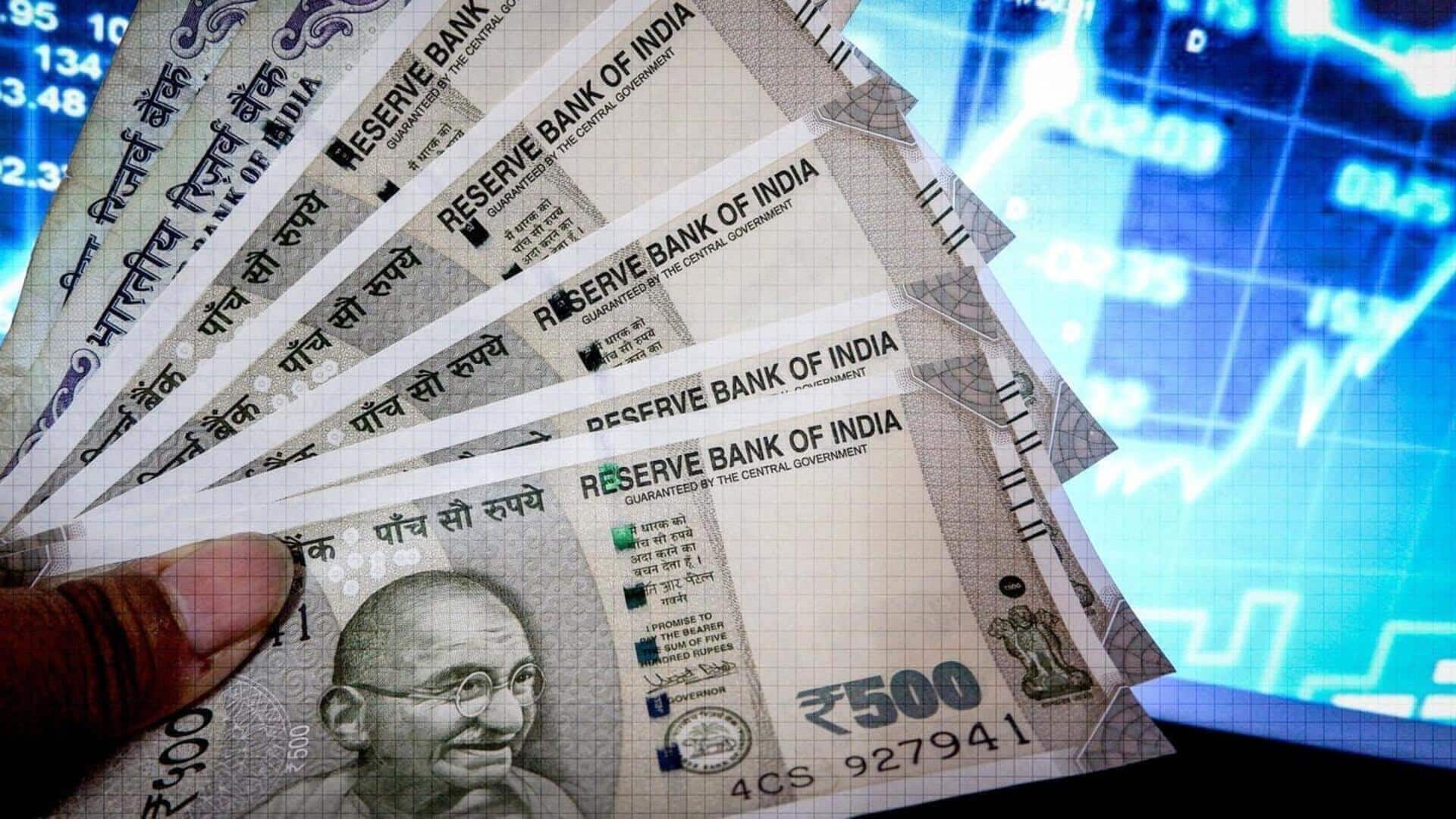
RBI liquidity surplus hits record: Will loans get cheaper?
What's the story
India's banking system is witnessing an unprecedented cash surplus, with liquidity exceeding ₹11 lakh crore in early September. This is a record high, according to Bloomberg data. The sudden influx of money has raised questions about its origin and implications for borrowers, depositors, investors, and the overall economy. But what does this mean for your loans? Let's find out.
Liquidity explained
Understanding liquidity and its significance
Liquidity refers to the cash available in the financial system for lending and other transactions.
For banks, it means the funds they have after meeting their reserve requirements with the Reserve Bank of India (RBI).
A liquidity deficit occurs when banks don't have enough money to meet day-to-day needs, forcing them to borrow.
On the other hand, a surplus is when they have more money than needed.
Swap facility
What caused the recent liquidity surge?
The recent liquidity surge can be attributed to the RBI's special dollar-rupee swap facility linked to Foreign Currency Non-Resident (Bank) deposits and other overseas borrowings.
This scheme was launched to stabilize the rupee amid foreign investor outflows and high crude oil prices.
By the time the facility closed on August 31, 2026, banks had mobilized $127.2 billion through these deposits, contributing significantly to the current cash surplus in India's banking system.
Economic implications
Is high liquidity good or bad?
High liquidity isn't inherently good or bad; it depends on whether the available money matches the economy's needs.
The strong response to FCNR(B) deposits is encouraging, indicating confidence among overseas investors.
However, if these inflows leave banks with more cash than they can use productively, it could create problems.
A recent Morgan Stanley report predicts excess liquidity will persist through March 2027 despite seasonal drains like tax outflows and government spending, keeping short-term rates under downward pressure.
Policy transmission
Impact on monetary policy transmission
Prolonged low short-term rates could weaken RBI's monetary policy transmission.
This is because banks sitting on large amounts of surplus cash may compete to lend the excess in the overnight market, pushing rates down instead of up.
This could create a disconnect between the intended rate and actual market pricing, hampering RBI's inflation-control objectives.
Investment impact
Effects on equity and debt markets
Excess liquidity usually supports stocks, although share prices are influenced by many other factors.
Some of the surplus cash can flow into financial assets through loans against shares, margin funding extended by brokers, and lending to Non-Banking Finance Firms (NBFCs).
Lower borrowing costs can also reduce financing expenses for companies, further supporting equities.
In the debt market, an abundance of money looking for investment opportunities can increase demand for bonds and other fixed-income securities.