
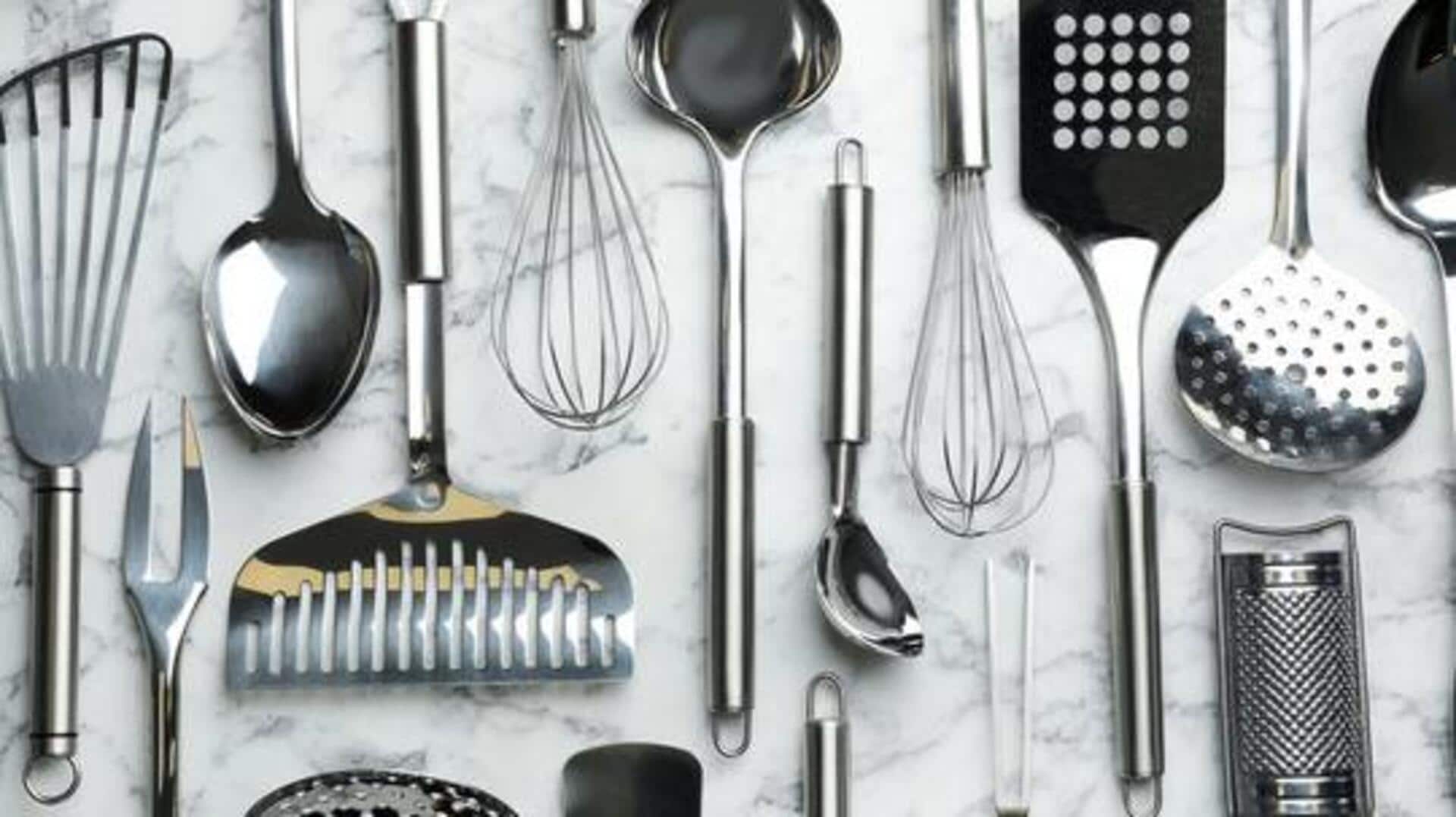
How to shop for authentic stainless steel
What's the story
Shopping for authentic stainless steel products in Africa can be a rewarding experience, provided you know what to look for. With the growing demand for quality materials, it's important to distinguish between genuine and substandard items. This guide offers practical tips on how to identify authentic stainless steel, ensuring you make informed purchases. Whether you're buying kitchenware or industrial tools, these insights will help you navigate the market effectively.
#1
Understanding stainless steel grades
Stainless steel comes in different grades, each suitable for different purposes. The most common ones are 304 and 316 grades. Grade 304 is used for kitchenware owing to its resistance to corrosion and rust. Grade 316 is used for marine and chemical environments owing to its higher resistance to corrosion. Knowing the grades can help you pick the right product for your needs.
#2
Inspecting product markings
Authentic stainless steel products usually have markings that indicate their grade and manufacturer details. Look for engravings or stamps that show the material's composition and origin. Beware of products with no markings or unclear information, as these could be signs of inferior quality or counterfeit items.
#3
Checking magnetic properties
One of the simplest ways to test if a product is authentic stainless steel is by checking its magnetic properties. Most stainless steels are non-magnetic, but some lower-quality alloys may be magnetic. Use a magnet to see if it sticks; if it does, you might want to reconsider your purchase.
#4
Evaluating surface finish
The surface finish of stainless steel products also speaks volumes about their authenticity and quality. Genuine stainless steel has a smooth, even finish without any visible blemishes or rust spots. If you see irregularities like scratches, dents, or discoloration, it could be a sign of poor manufacturing or inferior material quality.
Tip 5
Comparing prices wisely
While price isn't always an indicator of quality, it pays to be cautious with extremely cheap offers on stainless steel products. If the price is too good to be true, it probably is. High-quality stainless steel requires proper processing and materials, which comes at a cost. Compare prices across different sellers, keeping in mind quality indicators like grade markings and surface finish.