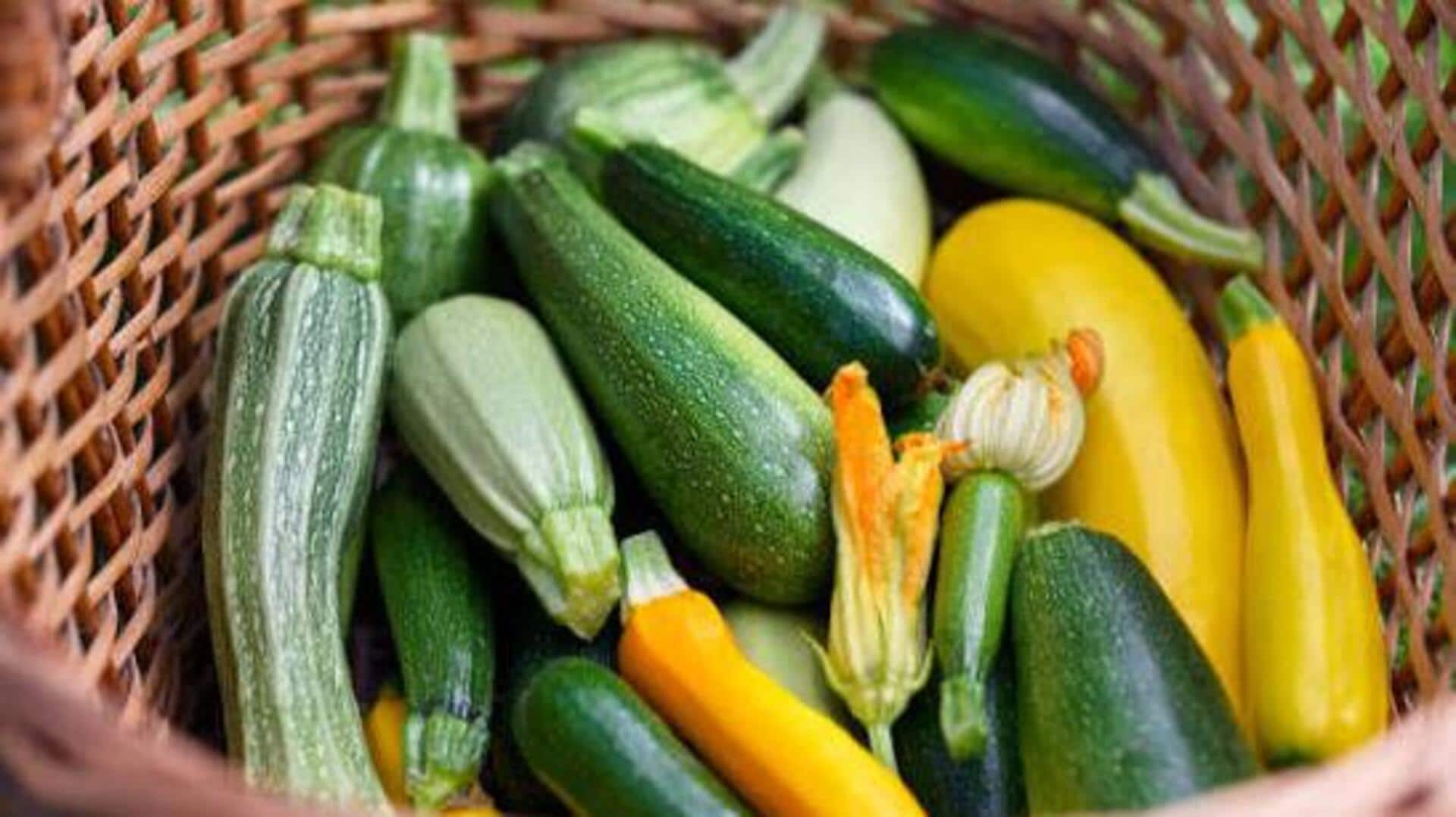
Zucchini v/s bell peppers: Comparing their nutrition
What's the story
Zucchini and bell peppers are two of the most popular vegetables, both of which offer unique nutritional benefits. While zucchini is known for its low-calorie content and high water percentage, bell peppers are famous for their vibrant colors and vitamin C content. Both can be added to a healthy diet, but knowing their nutritional differences can help you make informed dietary choices.
#1
Caloric content and water percentage
Zucchini is also a low-calorie vegetable with only 17 calories per 100 grams.
It is also made up of about 95% water, which makes it a great option for those looking to stay hydrated or lose weight.
Bell peppers, on the other hand, have about 31 calories per 100 grams.
While they are slightly more caloric than zucchinis, they still make a low-calorie addition to meals.
#2
Vitamin C content
Bell peppers are famous for their high vitamin C content. A single medium-sized bell pepper can provide over 150% of the daily recommended intake of vitamin C.
This nutrient is essential for immune function and skin health.
Zucchini has some vitamin C but not nearly as much as bell peppers.
However, it still contributes to your daily intake with about 17% of the recommended amount per serving.
#3
Fiber levels in each vegetable
Both zucchini and bell peppers provide fiber, which is essential for digestion and keeping you full.
Zucchini has about one gram of fiber per 100 grams, whereas bell peppers provide slightly less at around one gram per 100 grams.
While neither is an exceptional source of fiber compared to other vegetables, like beans or lentils, they still help with digestive health when included as part of a balanced diet.
Tip 1
Versatility in cooking applications
Zucchini's mild flavor makes it versatile in various dishes, from stir-fries to salads, without overpowering other ingredients.
It can be grilled, roasted, or spiralized into noodles as a low-carb pasta substitute.
Bell peppers add color and sweetness to dishes like stuffed peppers or fajitas.
Their firm texture holds up well during cooking methods like roasting or grilling, enhancing the flavor profile of any meal they accompany.