Beware! Scammers are targeting users eager to buy latest iPhones
What's the story
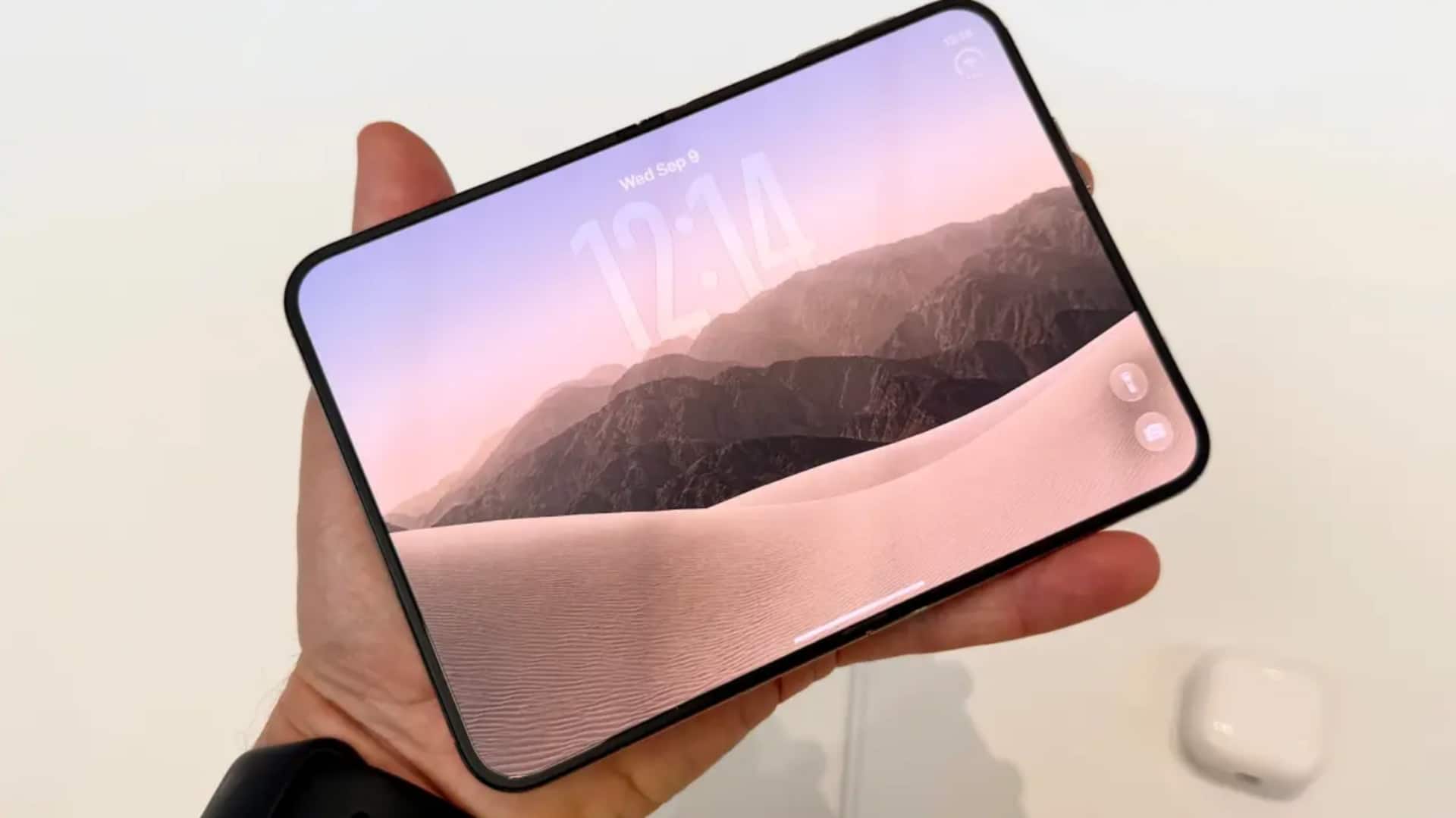
The recent launch of Apple's new iPhone models, including the first-ever foldable, iPhone Duo, has sparked a surge in scam websites. These fraudulent sites are preying on consumers eager to get their hands on the latest devices at discounted prices. Security researchers have detected a significant spike in the number of these scam sites registered with keywords like "Apple" and "iPhone" in their domain names.
Scam tactics
Scammers use AI to create realistic sites
The scam sites, which started appearing days before the official announcement of the new iPhones, are specifically designed to trick unsuspecting consumers.
Alexandre Francois, a scam investigator at WhoisXML API, said that these fraudulent sites often look convincingly realistic as scammers use AI technology to replicate genuine retailers.
They even advertise features like "all-day battery" for an iPhone Pro Max in three different colors.
Scam indicators
Red flags to look out for
Francois advises consumers to be wary of websites that only accept payment through bank transfer, as this method doesn't offer the same protections as debit and credit card payments.
Legitimate sites usually provide multiple payment options, including debit and credit cards.
Fraudulent sites may also give a limited time frame to make a purchase, pushing consumers to act quickly and potentially overlook red flags.
Scam prevention
Apple warns users against scams
Apple has also issued a warning against these scams.
The tech giant says its Safari browser comes with a warning for fraudulent sites, alerting users about potential phishing or malware threats.
Francois further advises consumers to remember what models are actually on sale at any given time and to be cautious of websites claiming to sell unreleased models like the standard iPhone 18 or those claiming Apple operates lotteries or recruits people for phone testing.