
Why lower loan interest rates are not making homes cheaper
What's the story
Lower home loan interest rates have made equated monthly installments (EMIs) more manageable and improved borrowing capacity for potential homebuyers. However, property prices in India's major cities remain stable, limiting the effect of cheaper credit on overall housing affordability. Recent repo rate cuts have brought down home loan rates to 7.4-8.5%, boosting demand especially from first-time buyers.
Market dynamics
Affordability in metro markets
Despite the fall in interest rates, affordability in metro markets such as Delhi-NCR, Mumbai, and Bengaluru is not solely dependent on EMI relief. Ashish Narain Agarwal, Founder and MD of PropertyPistol, warns that homebuyers shouldn't assume lower EMIs automatically mean better affordability. He advises buyers to reassess their financial capacity while considering future EMI calculations and larger down payments.
Financial strategy
Experts recommend data-driven approach
Vishal Raheja, Founder and MD of InvestoXpert Advisors, emphasized a data-driven approach. He said with home loan rates between 7.4-8.5%, buyers should ensure their EMIs stay below 30% of net income while evaluating total ownership costs to manage long-term financial commitments comfortably.
Rate comparison
Home loan rates across various banks
Here's a look at home loan rates offered by some of India's leading banks: Kotak Mahindra Bank starts at 7.7% per annum, Union Bank of India and Bank of Baroda start at 7.45%, and Central Bank of India and Bank of India both start at 7.35%. State Bank of India offers a starting rate of 7.5%, while LIC Housing Finance starts from the same rate as well. Axis Bank has the highest starting rate among these institutions, beginning from 8.35%.
Price stability
Resilience of residential prices in major cities
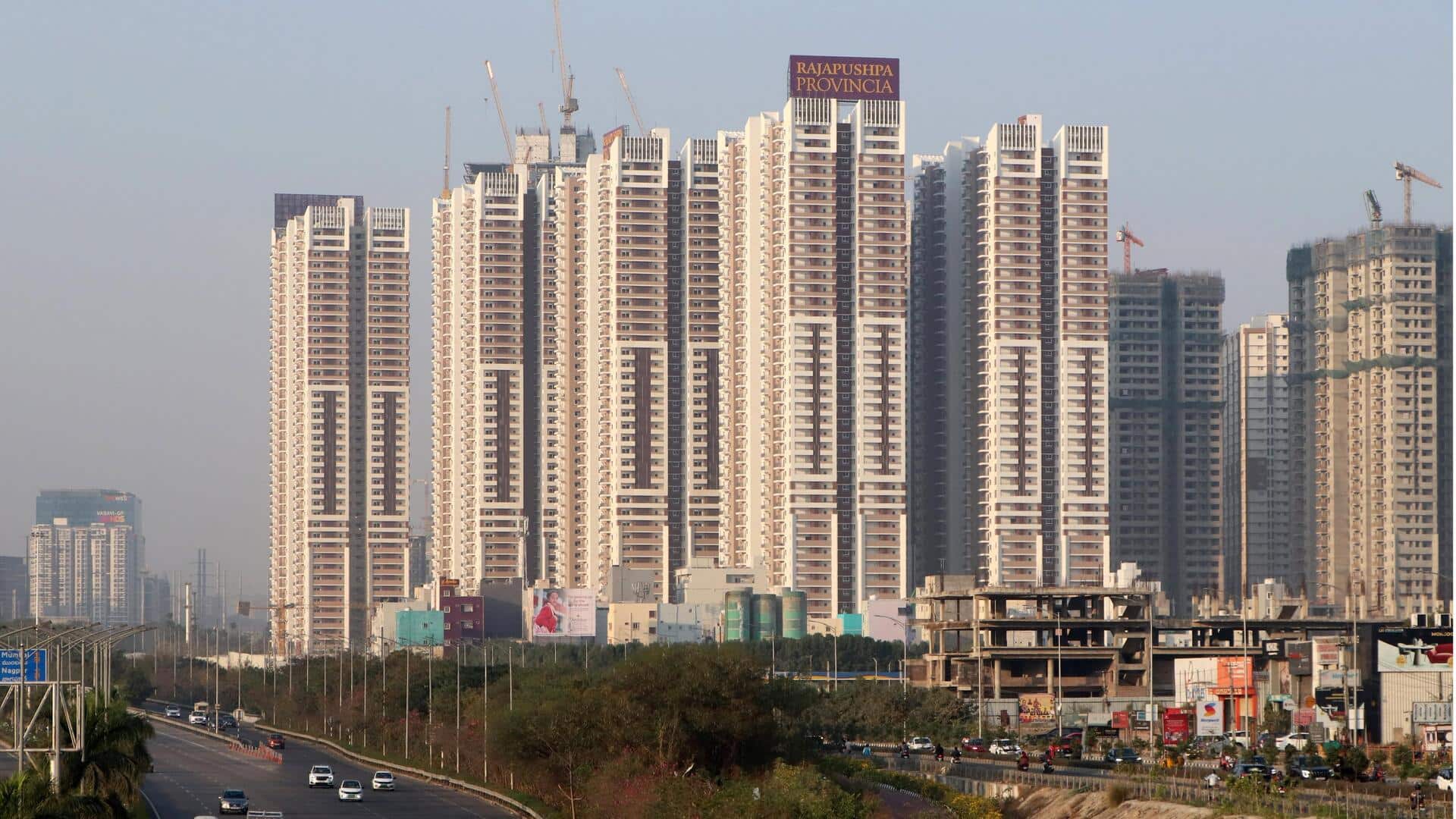
Despite easier financing, residential costs in major cities have remained stable. Experts attribute this to strong demand, improving infrastructure, and rising household incomes. Akshay Taneja, CEO of TDI Infrastructure, said price growth in urban areas is supported by income growth and infrastructure development. He advised buyers to keep an eye on neighborhood evolution, transport connectivity, and access to commercial hubs/social infrastructure like schools/healthcare facilities.
Market trends
Overheating in certain segments
Agarwal warned that some city segments, especially luxury housing, are showing signs of overheating. He advised buyers to analyze the price-to-income ratios, infrastructure pipelines, and rental yields to avoid overpaying. Raheja added that limited inventory in high-demand locations is also keeping prices elevated. He advised buyers to focus on fundamentals like rental yields and price-to-income ratios rather than market sentiment.