
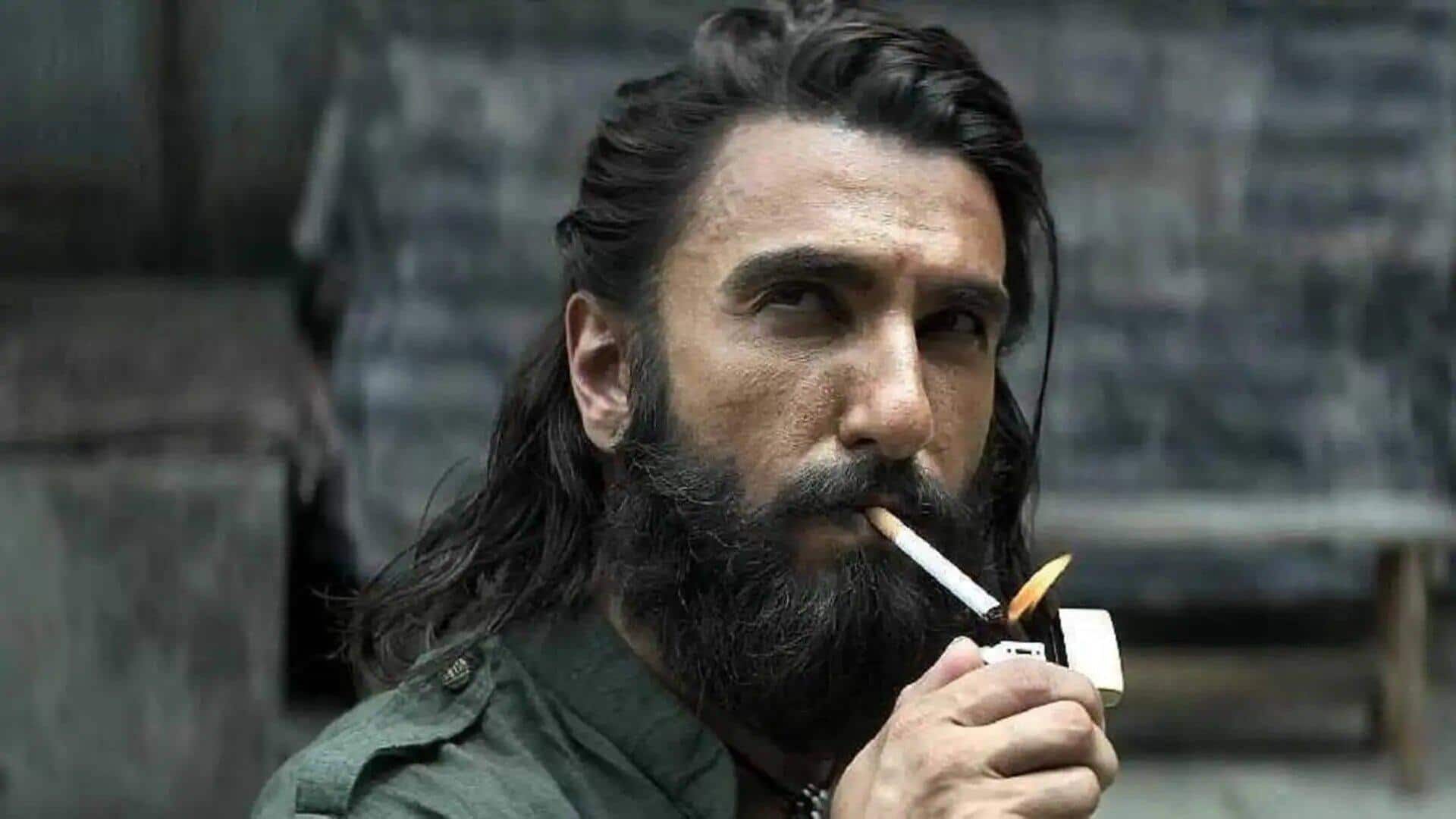
What does 'Burger Boy' mean in Ranveer Singh's 'Dhurandhar'?
What's the story
In Ranveer Singh's Dhurandhar, a seemingly innocuous comment by his character Hamza about his girlfriend Yalina marrying a "burger boy" carries deep cultural significance. The term "burger boy," used in Pakistan, refers to a Westernized, elite urban man and encapsulates social commentary on class and identity, reported MoneyControl. It is often used to describe young, affluent Pakistani men who are perceived as disconnected from local traditions and culture.
Cultural implications
'Burger boy' signifies privilege and disconnection
A "burger boy" is often characterized as someone who has attended elite schools, speaks English fluently, and is well-versed in global pop culture. They are usually seen wearing international brands, driving luxury cars, and living a life of comfort that comes from privilege. The term is rarely neutral; while some embrace it with pride, others use it mockingly or dismissively.
Criticism
'Burger boys' often criticized for being out of touch
The term "burger boy" is often used to criticize these individuals for being "soft, entitled, and disconnected from the struggles" of ordinary people. They are seen as more likely to discuss the type of milk than electricity cuts, quote Netflix instead of local politics, and take Instagram photos at protests rather than joining them in person, as per the outlet.
Term history
'Burger boy' term's evolution and political connotation
The term "burger boy" has its roots in the 1980s when Mr. Burger opened in Karachi, making Western fast food a status symbol among politicians, businessmen, and the elite. Over time, Pakistani comedians like Umer Shareef have parodied these Westernized families in shows such as Burger Family. The term gained political significance during Imran Khan's early political career when his educated supporters were derisively called "burger bachchas."