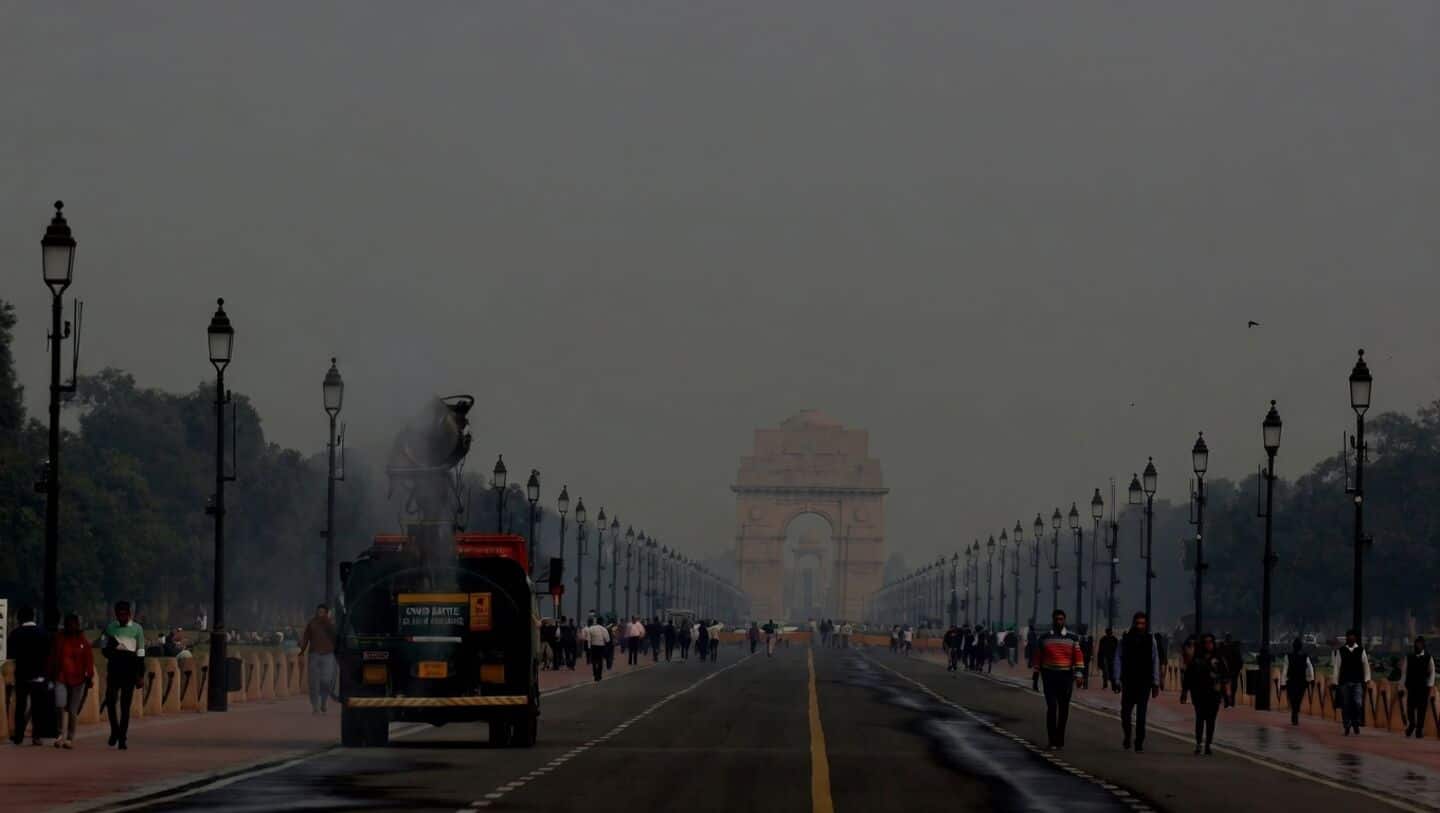
Ozone levels in Delhi: CSE study shows spike during summer
Lutyens's Delhi is reported as an ozone hotspot, and it's not just because of traffic: trees like ficus are releasing natural chemicals (biogenic volatile organic compounds, or BVOCs) that react with heat and sunlight.
A recent CSE study found that ozone levels frequently broke safety limits.
South, north Delhi worst affected
Ozone exceeded safe levels frequently during March to May.
South Delhi and parts of north Delhi were among the worst affected, with some days seeing multiple monitoring stations exceed standards (for example, six or more stations on certain days).
For multiple days between late May and mid-June, ozone was the dominant pollutant on the air quality index (AQI).
Action needed now to prevent future harm
Ozone isn't just a number; it can seriously harm your lungs and even damage crops.
Experts at NIAS say planting trees that emit fewer BVOCs and cutting other pollution sources could help keep these spikes in check.
An increase in average daily exceedances shows why action matters now.