Hezbollah rejects US-brokered Israel-Lebanon ceasefire, calls it 'humiliating'
What's the story
Hezbollah has rejected a United States-brokered ceasefire between Israel and Lebanon. The deal, which was announced after the fourth round of US-mediated talks in Washington, proposed the establishment of "pilot" security zones in southern Lebanon where Hezbollah operatives would be banned. It also required Hezbollah to stop attacking Israel. However, Hezbollah leader Naim Qassem called the negotiations "futile" and "humiliating," rejecting them on behalf of "broad segments of the Lebanese people."
Surrender claim
Hezbollah's rejection and public sentiment
Qassem said the proposed ceasefire would mean Hezbollah stopping attacks and withdrawing from the southern front with Israel, which he interpreted as surrendering to Israeli objectives.
This sentiment was echoed by residents in Beirut's southern suburbs, a Hezbollah stronghold.
A storekeeper named Sami told the BBC, "You cannot have a ceasefire from one side, it's going to be an all side or no ceasefire. This is surrender. This is not a peace agreement. This is a surrender agreement."
Presidential optimism
US President Trump's optimism and Lebanese president's statement
Despite Hezbollah's rejection, US President Donald Trump expressed hope for progress.
He said he spoke to both Hezbollah and Israeli Prime Minister Benjamin Netanyahu, adding that "I think you're going to see things happen over there."
Lebanese President Joseph Aoun said the ceasefire could be implemented within 24 hours if approved by all parties involved.
Ongoing operations
Israeli defense minister's stance and casualties in Lebanon
However, Israeli Defense Minister Israel Katz said the military would continue its operations to dismantle terrorist infrastructure.
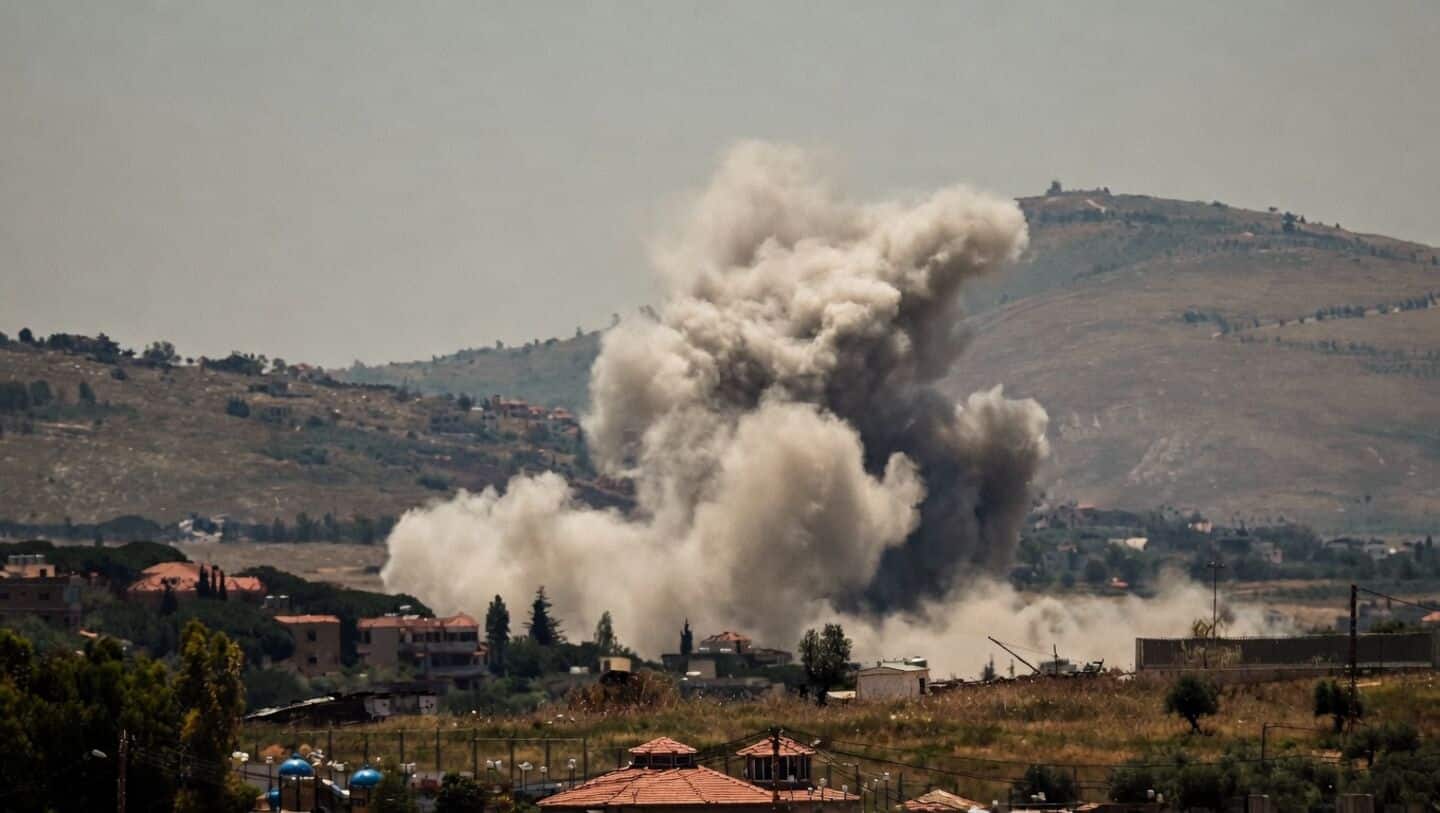
Lebanese media reported multiple Israeli strikes across southern Lebanon, killing at least eight people and injuring 15 others.
The United Nations peacekeeping force in Lebanon confirmed the death of a peacekeeper after mortar fire struck the position late on Wednesday.
Escalating conflict
Background of the conflict
Hezbollah retaliated by targeting Israeli troops and military vehicles in southern Lebanon.
The conflict intensified after Hezbollah fired rockets into Israel on March 2, responding to an Israeli strike that killed Iran's supreme leader.
This led to a US-brokered ceasefire on April 16, which failed to stop hostilities.