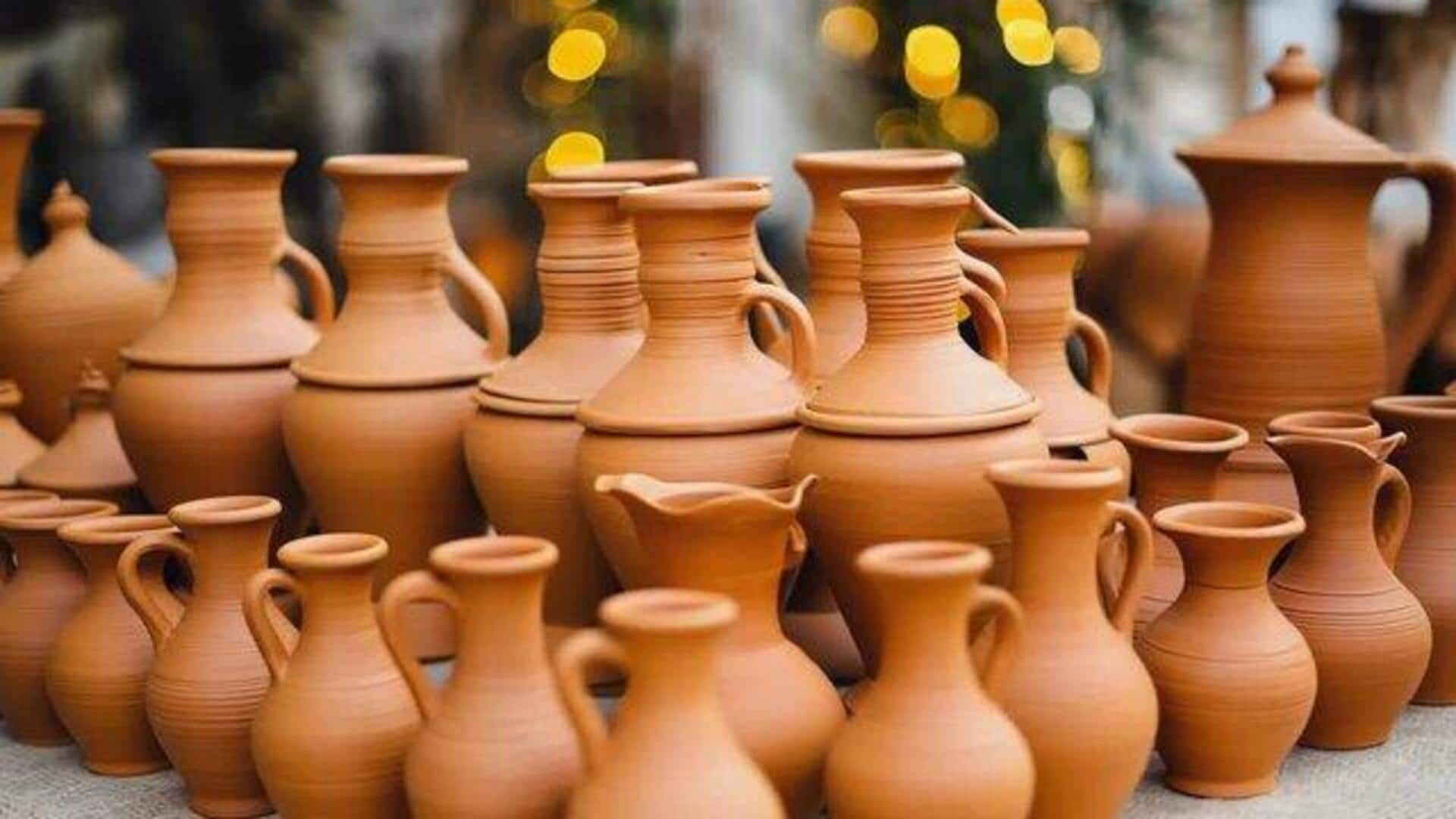
Love collecting pottery? Read this
What's the story
African pottery is not just a craft but a reflection of cultural heritage and history. Each piece tells a story, representing the traditions and innovations of various African communities. For collectors, understanding these stories can enhance the appreciation and value of their collections. Here are some tips on how to connect with the stories behind African pottery, enriching your collection experience.
#1
Explore regional styles
African pottery varies greatly from region to region, each with its own unique style and technique.
From geometric patterns to vibrant colors, every region has something unique to offer.
By exploring these regional styles, collectors can gain insight into the cultural significance and historical context of each piece.
Knowing where a piece comes from can help you appreciate its artistry and craftsmanship.
#2
Learn about traditional techniques
Traditional techniques used in making African pottery have been passed down generations.
Techniques like coiling, pinching, and slab building are commonly used across the continent.
Learning about these methods gives you an understanding of the skill involved in creating each piece. It also highlights how these techniques have been preserved or adapted over time.
#3
Understand symbolic meanings
Many African pottery pieces are adorned with symbols that have deep cultural meanings.
These symbols can denote anything from fertility, to protection, to community identity.
By researching the symbolic language of different cultures, collectors can decode the messages hidden in their pottery pieces.
This knowledge not only adds depth to your collection but also honors the cultural narratives they represent.
#4
Engage with local artisans
Interacting with local artisans is an excellent way to learn about the stories behind African pottery.
Artisans often share stories about their work, detailing the inspiration behind certain designs or techniques used in making them.
Building relationships with artisans not only gives you authentic insights but also supports sustainable practices within communities that rely on traditional crafts for their livelihood.