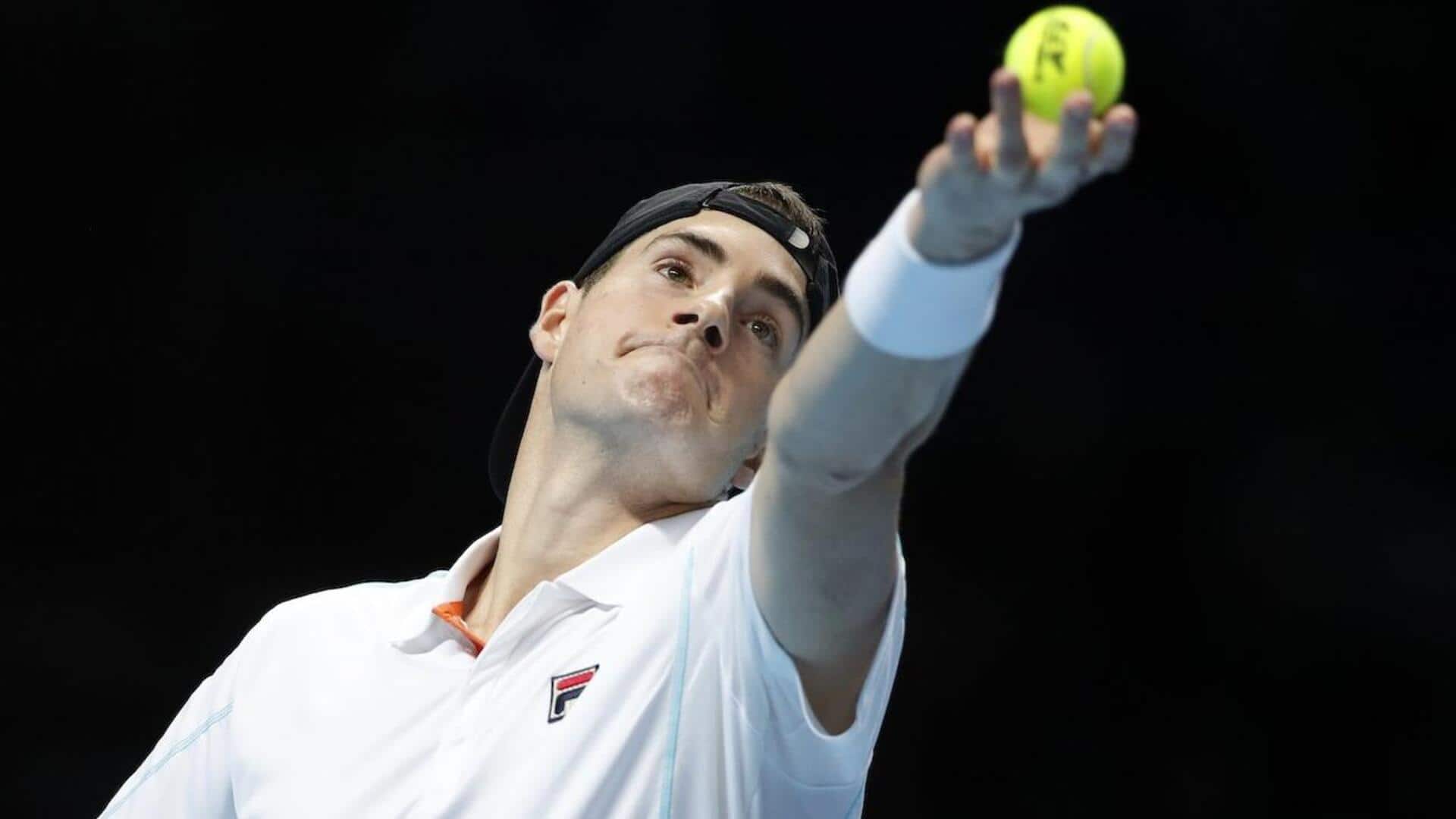
Cricket bowling v/s tennis serving: Which builds stronger upper arms?
What's the story
Cricket bowling and tennis serving are two popular sports that require upper arm strength. Both activities involve repetitive motion, which can help build muscle over time. However, the techniques and physical demands of each sport differ significantly. This article explores the differences in upper arm muscle development between cricket bowling and tennis serving, providing insights into how each activity contributes to muscle strength.
#1
Technique's impact on muscle development
The technique used in cricket bowling is different from tennis serving. Cricket bowlers use a full arm motion, engaging multiple muscle groups in the shoulder and upper arm. This comprehensive movement can lead to greater muscle engagement and development over time. On the other hand, tennis serving focuses on wrist snap and shoulder rotation, which primarily target specific muscles in the upper arm.
#2
Frequency of practice matters
The frequency with which one practices these techniques also plays a major role in muscle development. Cricket bowlers usually practice their delivery multiple times during a match or training session, leading to consistent muscle engagement. Tennis players practice serves frequently but may not spend as much time on them during each session as bowlers do on their deliveries.
#3
Physical demands of each sport
The physical demands of cricket bowling and tennis serving are also different. Cricket bowling is more physically demanding, requiring players to exert a lot of energy with every delivery. This can lead to greater overall fatigue but also more intense muscle engagement. Tennis serving is more about precision than power, which means that while it requires less overall energy than cricket bowling, it still engages key upper arm muscles.
#4
Equipment influence on muscle engagement
The equipment used in both sports also affects how muscles are engaged during practice sessions or games. Cricket balls are heavier than tennis balls, which means that bowlers have to exert more force while delivering them. This added weight can lead to increased resistance training for the arms over time. Tennis rackets are lighter than cricket bats, which allows players to focus more on technique than brute strength when serving.