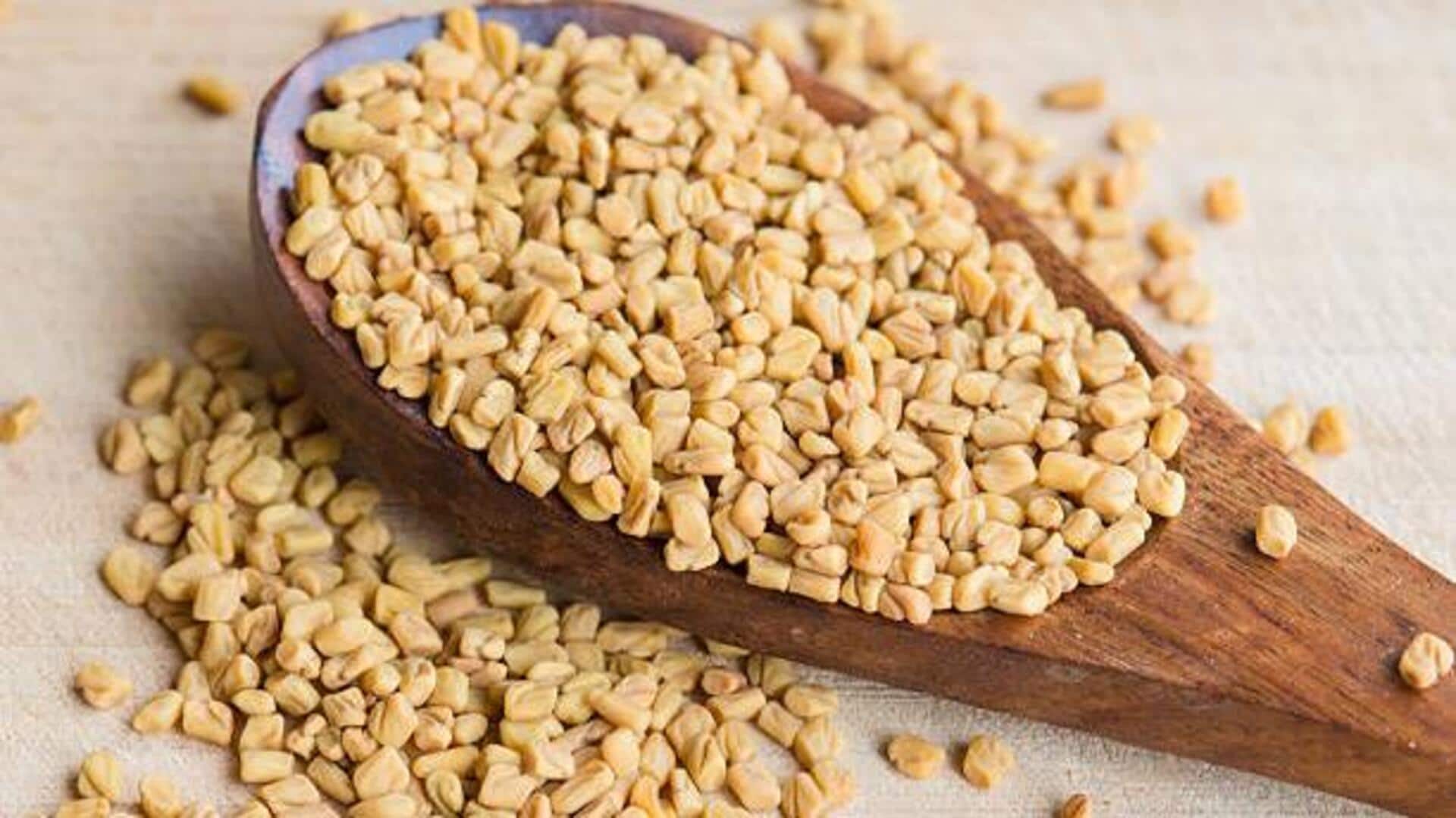
Do fenugreek seeds help control blood sugar?
What's the story
Fenugreek seeds have long been associated with numerous health benefits, particularly in managing blood sugar levels. However, the efficacy of fenugreek in controlling blood sugar has been a subject of debate. While some swear by its effectiveness, others question its actual impact. This article delves into the facts and myths surrounding fenugreek seeds and their role in blood sugar management, providing insights into what the evidence really says.
#1
Nutritional composition of fenugreek seeds
Fenugreek seeds are loaded with fiber and other nutrients that can help with digestion and overall health. They also contain compounds like galactomannan, which may affect carbohydrate metabolism. While these components are often cited as reasons for fenugreek's potential benefits, the direct impact on blood sugar levels is still being studied.
#2
Scientific studies on blood sugar effects
Several studies have examined the effect of fenugreek on blood sugar levels. Some studies indicate that fenugreek may help lower fasting blood glucose levels by increasing insulin sensitivity. However, the results are often mixed, with some studies showing no significant effect. More comprehensive research is needed to draw definitive conclusions about its efficacy.
#3
Recommended usage for potential benefits
For those looking to try fenugreek for blood sugar management, a common recommendation is to consume one to two teaspoons of the seeds daily. This can be done by soaking them overnight or grinding them into powder form. However, it's important to consult a healthcare professional before making any significant dietary changes, especially for those with existing health conditions.
Tip 1
Possible side effects and precautions
While fenugreek is generally safe for most people when consumed in moderation, it may cause some side effects such as gastrointestinal discomfort or allergic reactions in some cases. Pregnant women should avoid high amounts of fenugreek due to potential complications during pregnancy. As with any supplement or dietary change, it's best to proceed with caution and seek professional advice if needed.