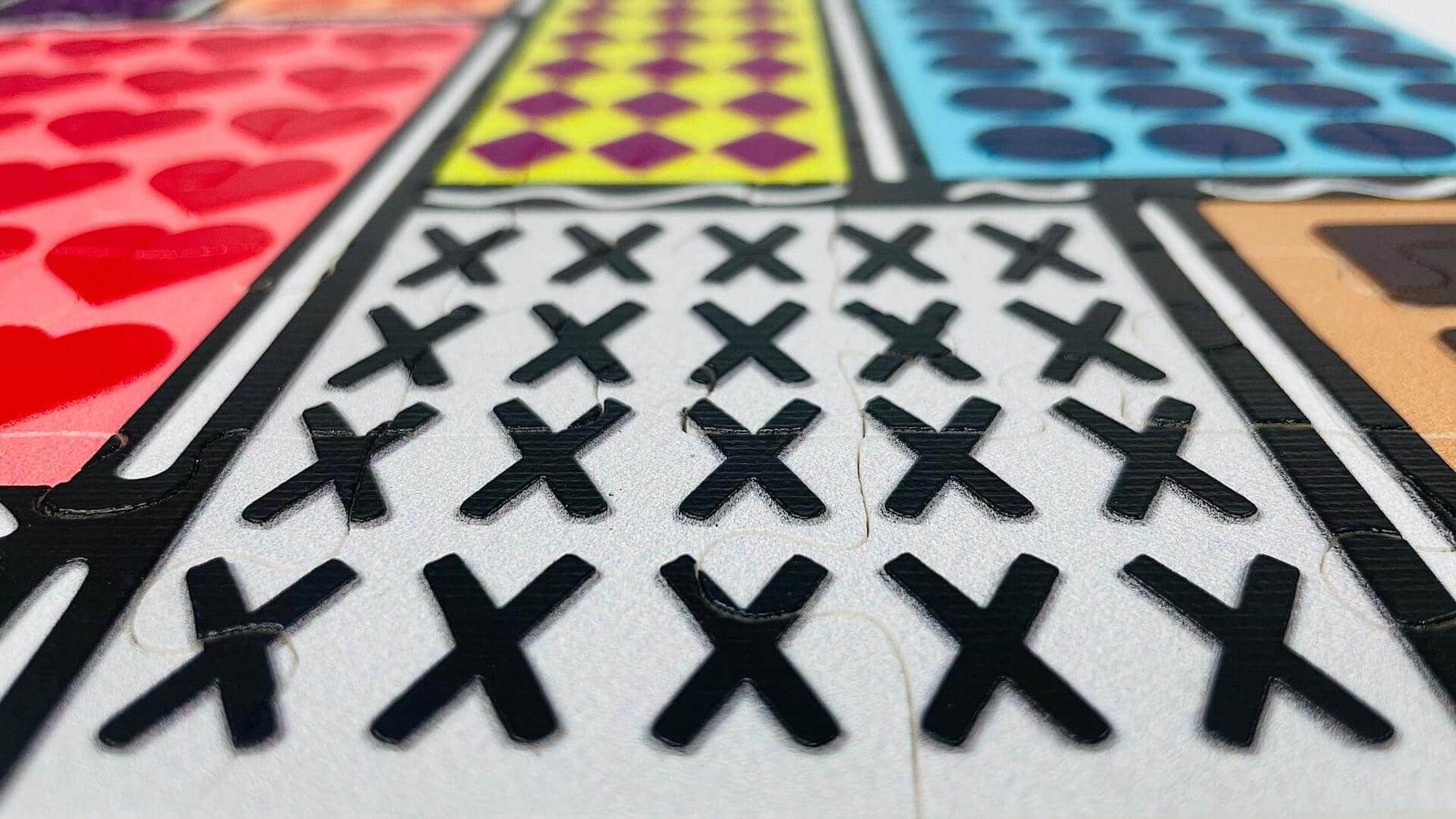
Tactile puzzles: What they are exactly
What's the story
Tactile puzzles are a great way to unwind and engage your senses. These puzzles, designed to stimulate touch, provide a unique form of relaxation and mental engagement. They can be particularly beneficial for those looking to take a break from digital screens or seeking a calming activity. By focusing on texture and physical manipulation, tactile puzzles offer an alternative method for stress relief and mindfulness.
Tip 1
Choosing the right tactile puzzle
Selecting the right tactile puzzle is important for getting the most out of the experience. Consider the materials used in the puzzle; wood, fabric, or clay can be great options that provide different textures to explore. Also, think about the complexity of the puzzle; beginners might want to start with simpler designs before moving on to more intricate patterns as they become comfortable.
Tip 2
Benefits of tactile puzzles
Engaging with tactile puzzles has several benefits beyond mere entertainment. They can improve fine motor skills by requiring precise movements and coordination. These puzzles also promote mindfulness by encouraging users to focus on each piece's texture and shape, which can help reduce anxiety levels. Additionally, completing a tactile puzzle gives a sense of accomplishment that boosts self-esteem.
Tip 3
Creating a calming environment
Setting up an appropriate environment can enhance the experience of solving tactile puzzles. Choose a quiet space where distractions are minimal, allowing you to fully immerse yourself in the activity. Soft lighting can create a soothing atmosphere, while comfortable seating ensures physical comfort during longer sessions. Having all necessary materials within reach helps maintain focus.
Tip 4
Incorporating tactile puzzles into daily routine
Incorporating tactile puzzles into your daily routine can be easy with a few simple steps. Set aside dedicated time each day or week for this activity, treating it as an appointment for self-care rather than another task on your to-do list. Start small by committing just 10 minutes daily, gradually increasing duration as you become more accustomed to this practice over time.