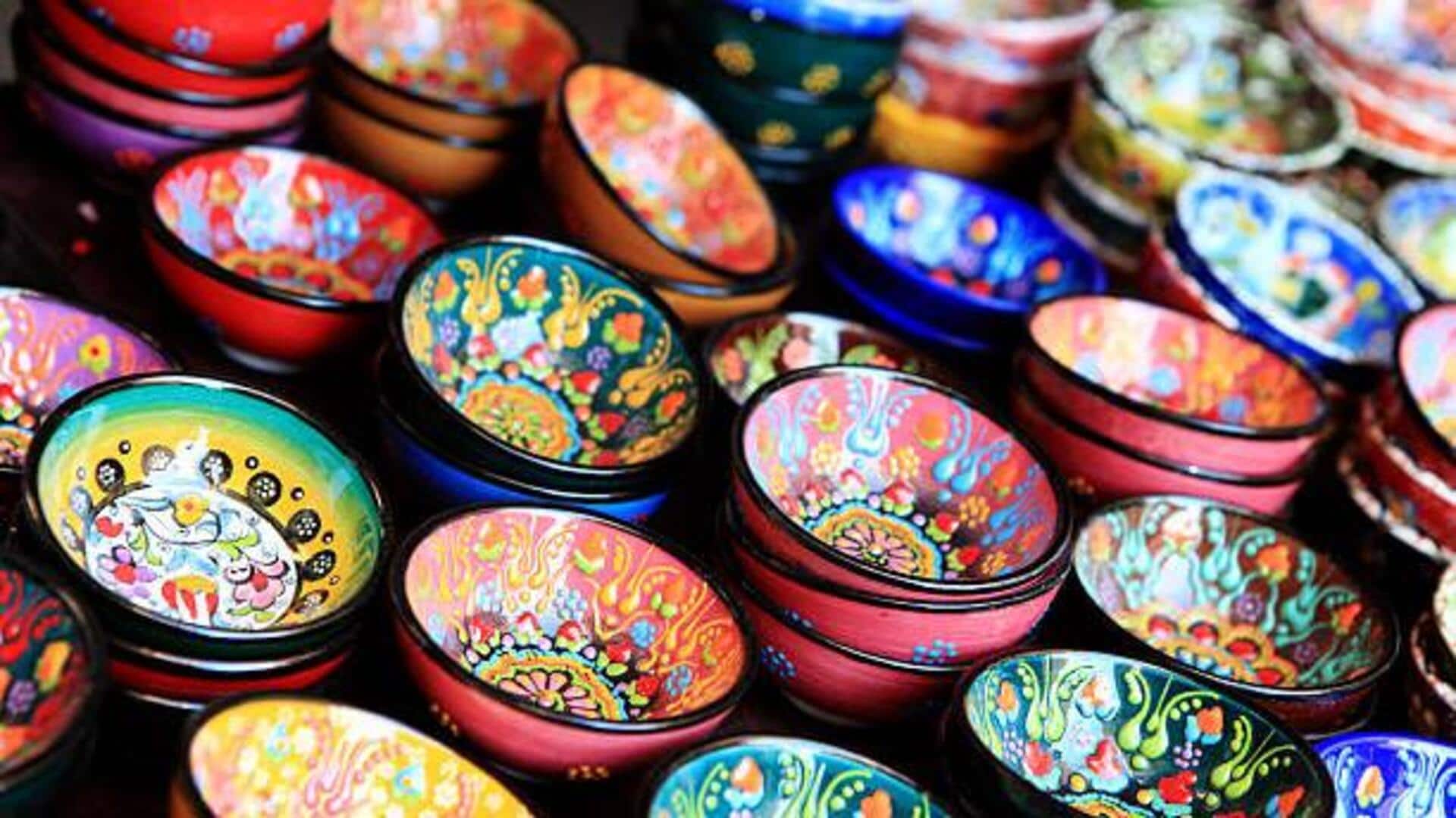
How to shop for crafts without overspending
What's the story
Shopping for African crafts can be an enriching experience, allowing you to explore the continent's diverse cultures and traditions. However, if you're on a budget, it is important to know how to make the most of your money. Here are some practical tips to help you shop smartly while enjoying the vibrant world of African crafts without overspending.
Tip 1
Research local markets
Before you head out, research local markets famous for African crafts. Each market has its own specialties and price ranges.
By knowing what to expect, you can set a realistic budget and avoid overspending.
Check online reviews or ask locals for recommendations on where to find authentic and affordable items.
Tip 2
Bargain wisely
Bargaining is an integral part of shopping in many African markets.
However, it is important to approach bargaining respectfully and wisely.
Start by offering a price lower than your budget but still fair, considering the craftsmanship involved.
This gives you room to negotiate while respecting the seller's work.
Tip 3
Prioritize quality over quantity
When shopping for African crafts, it is important to prioritize quality over quantity.
Instead of buying a lot of cheaper items, invest in a few high-quality pieces that really represent the culture or craftsmanship you admire.
This way, you can ensure that your purchases are meaningful and lasting, rather than just filling up space with many low-cost items.
Tip 4
Explore online options
If you are not able to visit markets physically, you can explore online platforms that sell authentic African crafts.
Many artisans have their own websites or use social media platforms to showcase their work.
Shopping online gives you access to a wider range of products and sometimes better deals than physical stores.
Tip 5
Support local artisans directly
Whenever possible, buy directly from local artisans instead of middlemen or large retailers.
This ensures that more money goes directly into the hands of the creator.
It also gives you an opportunity to learn more about the craft's cultural significance from its maker.
This direct interaction can lead to more meaningful purchases that support local economies directly.