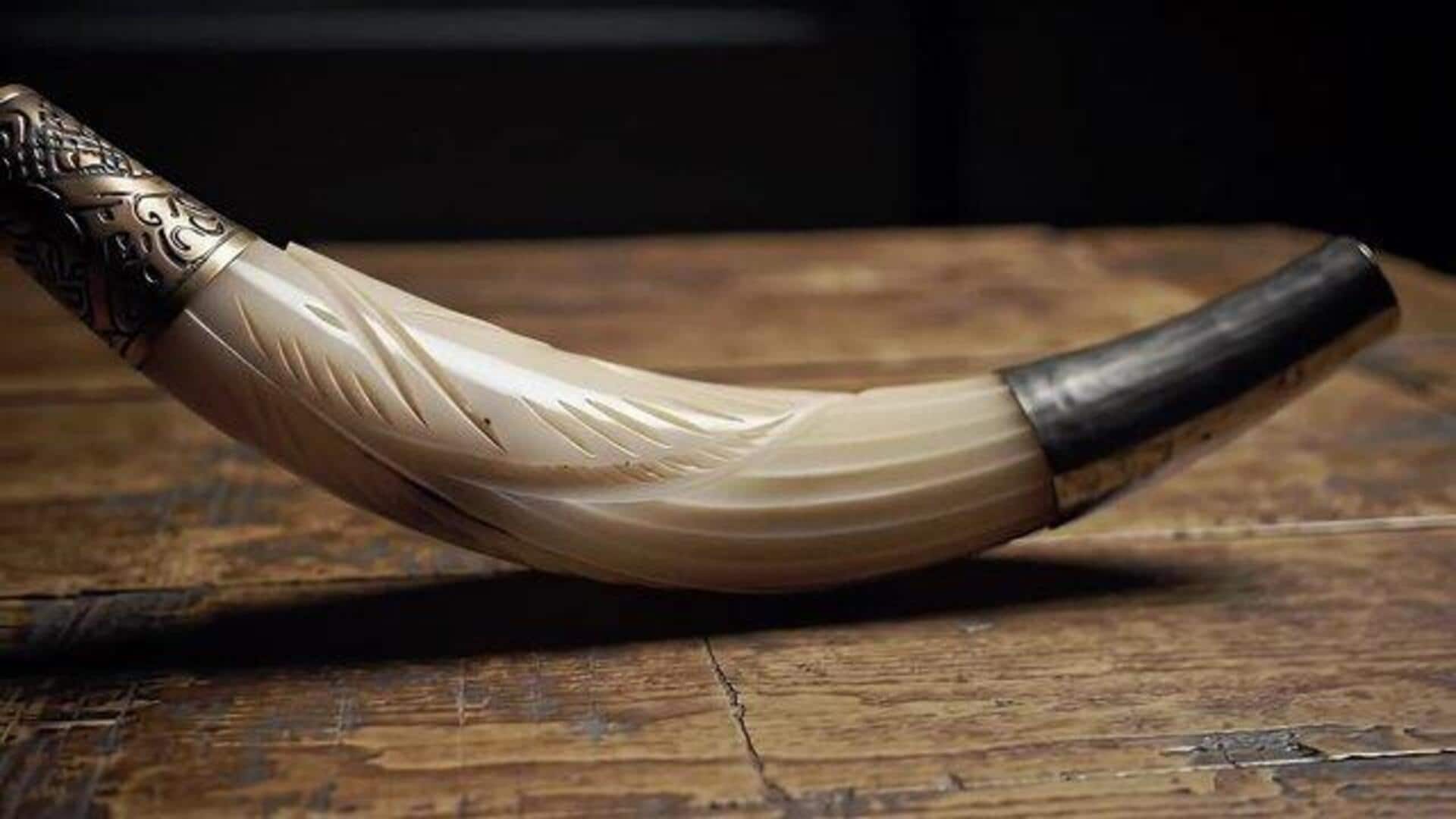
How contemporary artists are redefining horn carving
What's the story
African horn carving is a centuries-old tradition that has been reimagined by contemporary artists. These artists are blending traditional techniques with modern aesthetics to create unique pieces. These works reflect both cultural heritage and innovative design. The result is a vibrant art form that appeals to diverse audiences. It showcases the versatility and enduring appeal of African horn carving in today's art world.
#1
Blending tradition with innovation
Contemporary African horn carvers are not just preserving traditional methods but also integrating new techniques and materials. This fusion allows them to explore new artistic expressions while honoring the roots of their craft. By experimenting with different styles and approaches, these artists are creating works that resonate with both traditionalists and modern art enthusiasts.
#2
Exploring cultural themes
Many contemporary carvers delve into cultural themes that reflect their personal experiences or societal issues. These themes often draw from African folklore, history, or current events. By addressing these topics through their work, artists create pieces that provoke thought and dialogue among viewers, while celebrating their cultural identity.
#3
Emphasizing sustainability
Sustainability has become a key focus for many contemporary African horn carvers. They are increasingly mindful of sourcing materials ethically and minimizing environmental impact. Some artists even use recycled or repurposed materials in their creations, contributing to a more sustainable art practice. This focus on sustainability not only helps preserve natural resources but also appeals to environmentally conscious collectors.
#4
Engaging global audiences
The global art market has also taken a keen interest in contemporary African horn carving. As these artists gain international recognition, they are able to reach a wider audience through exhibitions and online platforms. This exposure not only helps promote African art globally but also provides opportunities for cultural exchange and collaboration between artists from different parts of the world.