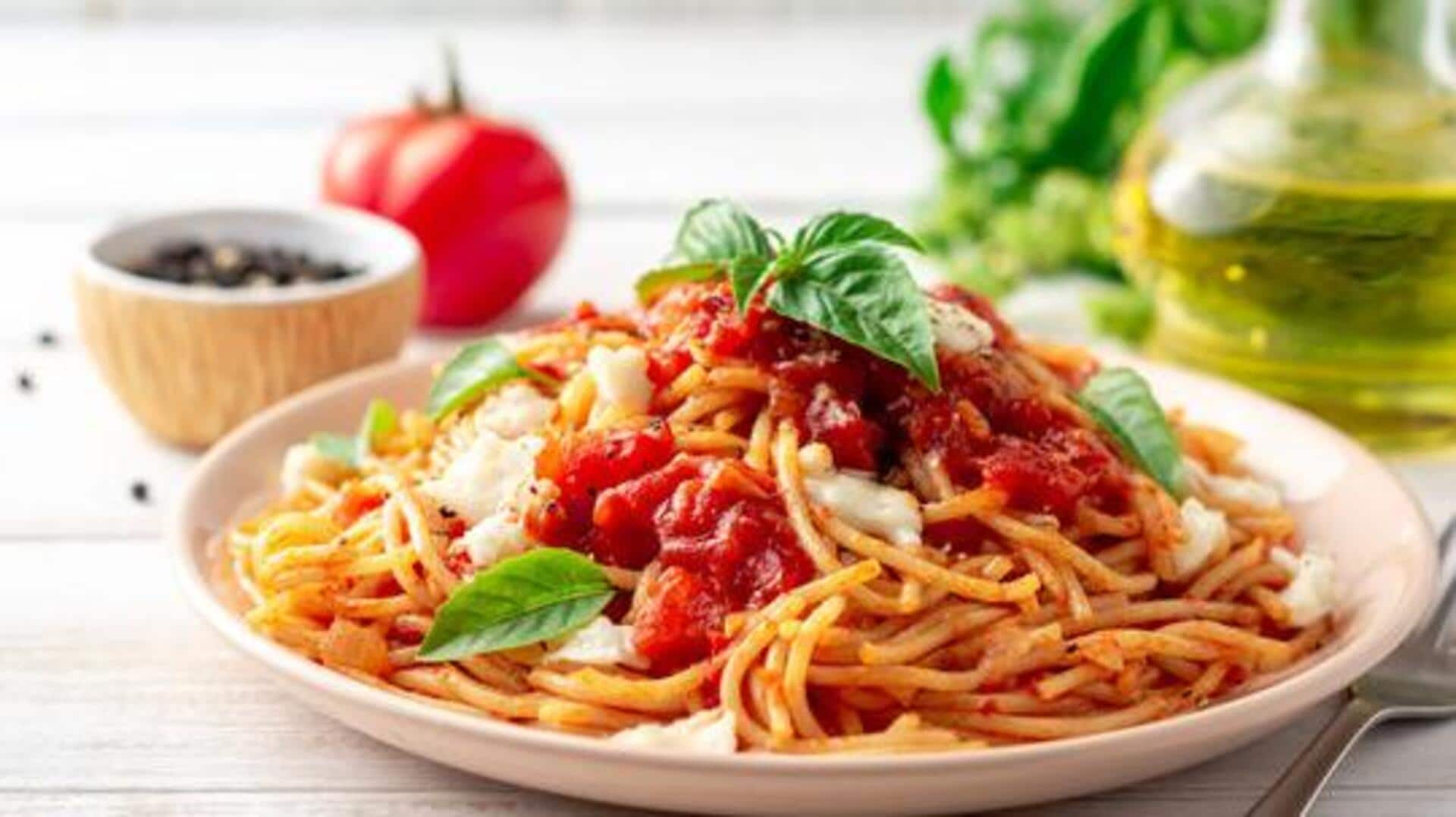
Does pasta cause weight gain?
What's the story
Pasta is often blamed for weight gain, but is it really true? This article delves into the truth behind the myth, looking at what pasta really does to your body. By looking at its nutritional value and how it fits into a balanced diet, we can discover if pasta really makes you gain weight. Let's find out if pasta is really the culprit behind weight gain.
#1
Nutritional value of pasta
Pasta is a good source of carbohydrates, which are essential for energy. It also has some protein, and very little fat, making it a low-fat food option. Whole grain pasta has more fiber than regular pasta, which helps with digestion and keeps you full. Knowing the nutritional value of pasta can help you make informed dietary choices without fearing weight gain.
#2
Portion control matters
Portion control is the key when it comes to eating pasta without gaining weight. Eating too much of anything can lead to consuming more calories than required by the body. A standard serving size of cooked pasta is about one cup, which has approximately 200 calories. Keeping an eye on portion sizes can help you enjoy pasta as part of a balanced diet, without putting on those extra pounds.
#3
Impact on blood sugar levels
Pasta's effect on blood sugar levels also depends on how it's cooked and what it's eaten with. Al dente pasta has a lower glycemic index than overcooked pasta, which means it raises blood sugar levels more slowly. Pairing pasta with protein-rich foods or vegetables can further slow down digestion and keep blood sugar levels stable, making it a healthier option.
Tip 1
Balanced diet approach
Incorporating pasta into a balanced diet can be beneficial for health and weight management. Pairing it with plenty of vegetables, lean proteins, and healthy fats ensures that meals are nutritious and satisfying. This approach not only provides essential nutrients but also helps maintain energy levels throughout the day without the risk of unwanted weight gain.