Ragi v/s barley: Understanding their nutritional differences
What's the story
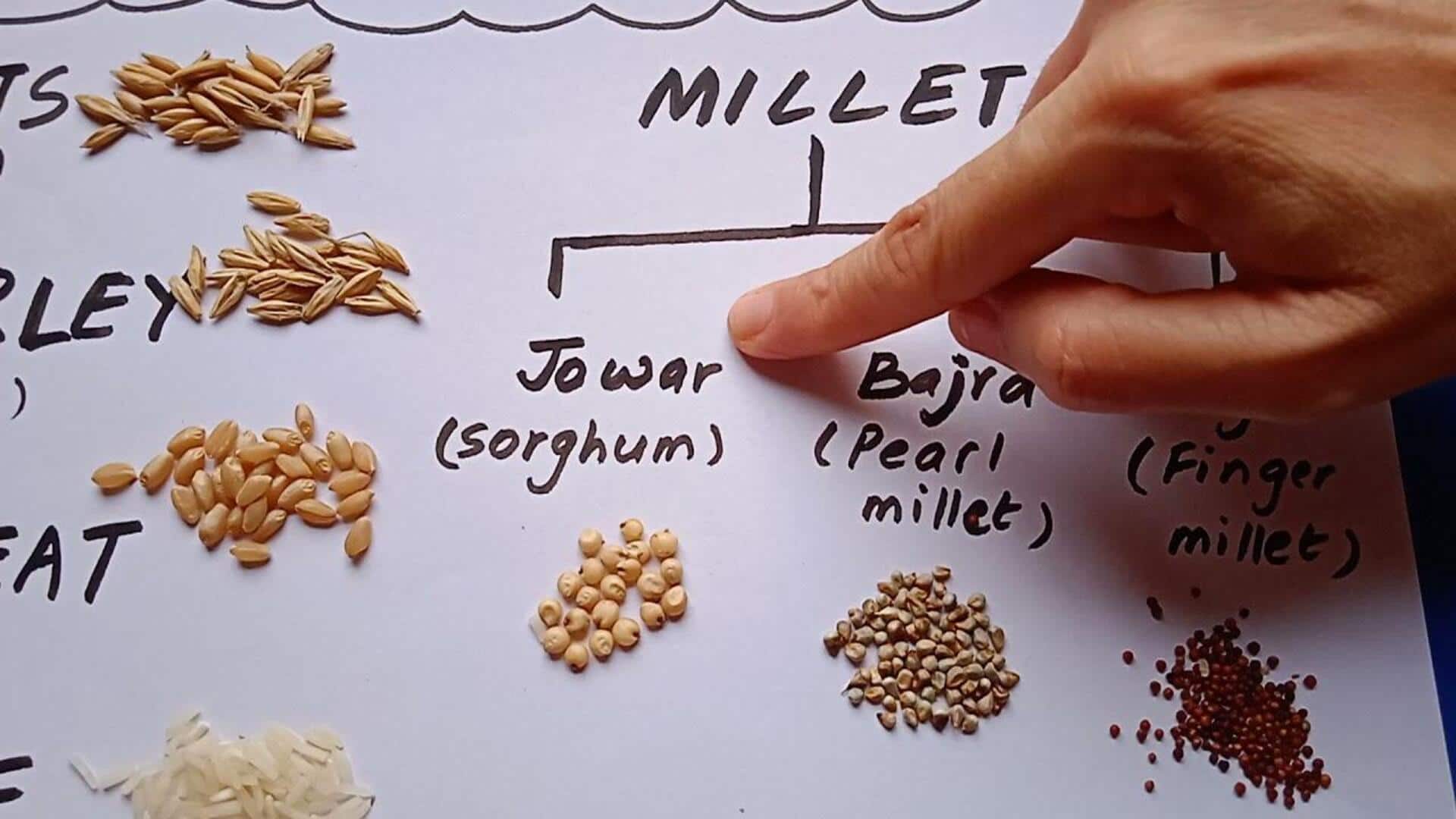
Ragi and barley are two ancient grains that have been staples in many diets for centuries. Both grains are known for their nutritional benefits, making them popular choices for health-conscious individuals. While ragi is often praised for its high calcium content, barley is recognized for its fiber-rich profile. This article delves into the nutritional differences between these two grains, highlighting their unique contributions to a balanced diet.
#1
Calcium content in ragi
Ragi is famous for its high calcium content, which is essential for bone health.
It is said that ragi has more calcium than most other cereals, making it a great option for those looking to up their calcium intake without dairy products.
This makes it especially beneficial for people who are lactose intolerant or looking to cut down on animal-based foods.
#2
Fiber richness of barley
Barley is also known for its high fiber content, which helps with digestion and keeping cholesterol levels in check.
The soluble fiber in barley can also help you feel full, which can help you manage your weight.
Including barley in your diet can help you meet your daily fiber requirements easily.
#3
Iron levels in ragi
Ragi also provides a good amount of iron, which is essential for transporting oxygen in the body and preventing anemia.
Including ragi in your diet can help you meet your iron requirements, particularly if you follow a vegetarian or vegan diet where iron sources may be limited.
#4
Antioxidants present in barley
Barley is loaded with antioxidants, which help fight oxidative stress and reduce inflammation in the body.
These antioxidants are essential for overall health as they protect cells from damage by free radicals.
Adding barley to your diet can provide these protective benefits, along with other nutrients it offers.