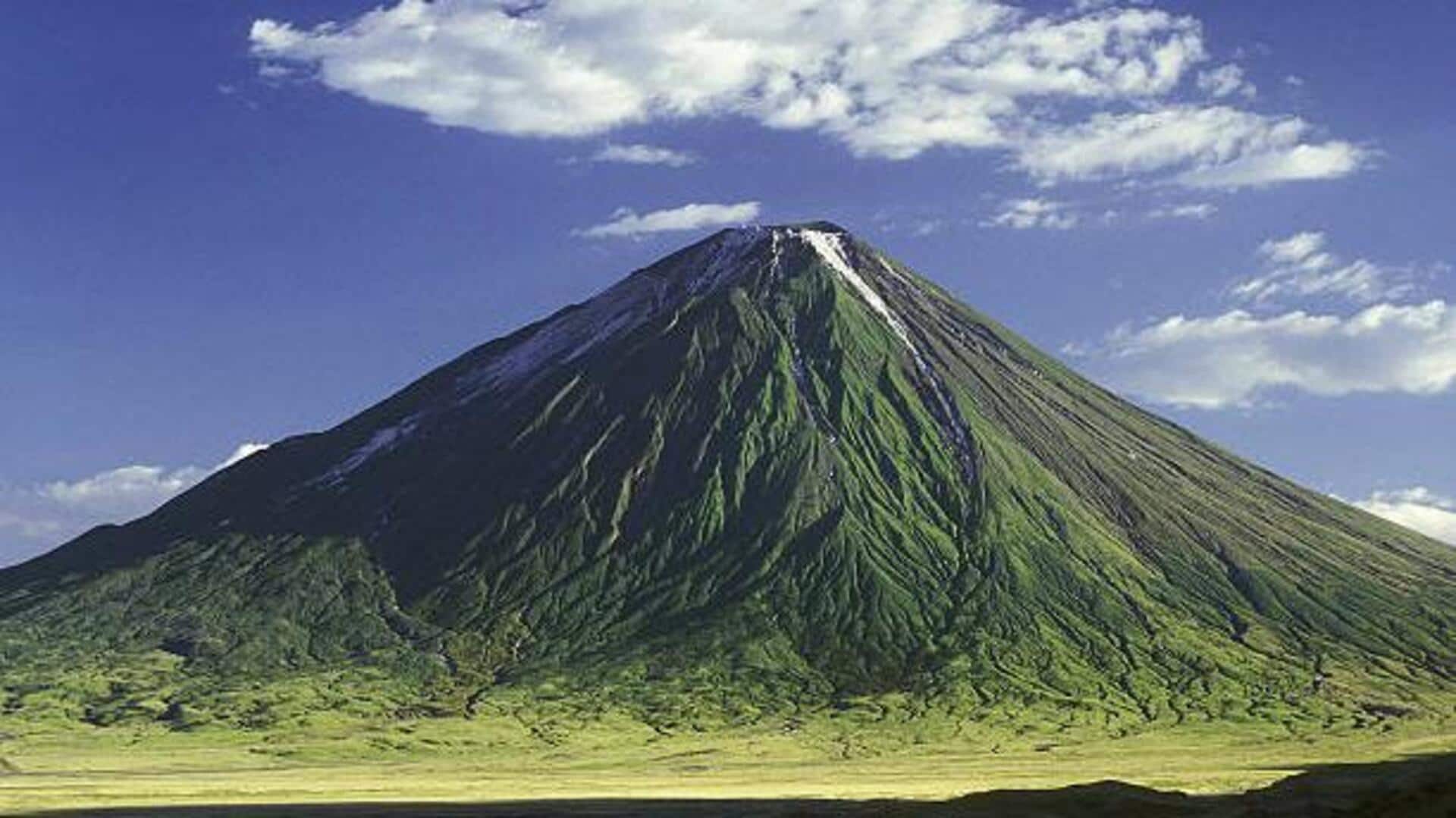
Ol Doinyo Lengai: Tanzania's volcano of wonders
What's the story
Ol Doinyo Lengai, an active volcano in Tanzania, is famous for its unique carbonatite lava and challenging treks. The mountain, which means Mountain of God in the Maasai language, attracts adventurers and geologists alike. The trek offers breathtaking views of the Great Rift Valley, and the chance to witness one of nature's most fascinating phenomena. Here's what you need to know about this extraordinary journey.
Preparation
Preparing for the trek
Before heading out to Ol Doinyo Lengai, make sure you're physically fit and well-prepared. The trek is difficult, with steep inclines and rocky terrain. Wear proper hiking boots to avoid slipping or injuring yourself. Carry enough water and snacks to stay hydrated and energized throughout the journey. It's also important to check weather conditions, as they can affect trail accessibility.
Timing
Best time to visit
The best time to trek Ol Doinyo Lengai is during the dry seasons from June to September, and December to February. These months provide more stable weather conditions, making the trails less slippery and easier to navigate. However, be prepared for cooler temperatures at night, which are common during these months.
Volcanic activity
Understanding volcanic activity
Ol Doinyo Lengai is famous for its unique carbonatite lava, which erupts at much lower temperatures than typical basaltic lava. This makes it flow like molasses, creating stunning formations on its slopes. Observing these eruptions requires careful planning, as volcanic activity can be unpredictable. Always check local reports before planning your visit.
Safety
Safety tips for trekkers
Safety should be your top priority when trekking Ol Doinyo Lengai. Always stick to marked trails, and don't wander off alone as the terrain can be treacherous. Keep a safe distance from any active volcanic areas, as eruptions or gas emissions could pose serious risks. Carry a first aid kit with basic supplies like band-aids, antiseptic wipes, and pain relievers in case of minor injuries during your trek.