If you're a dermatologist, read on
What's the story
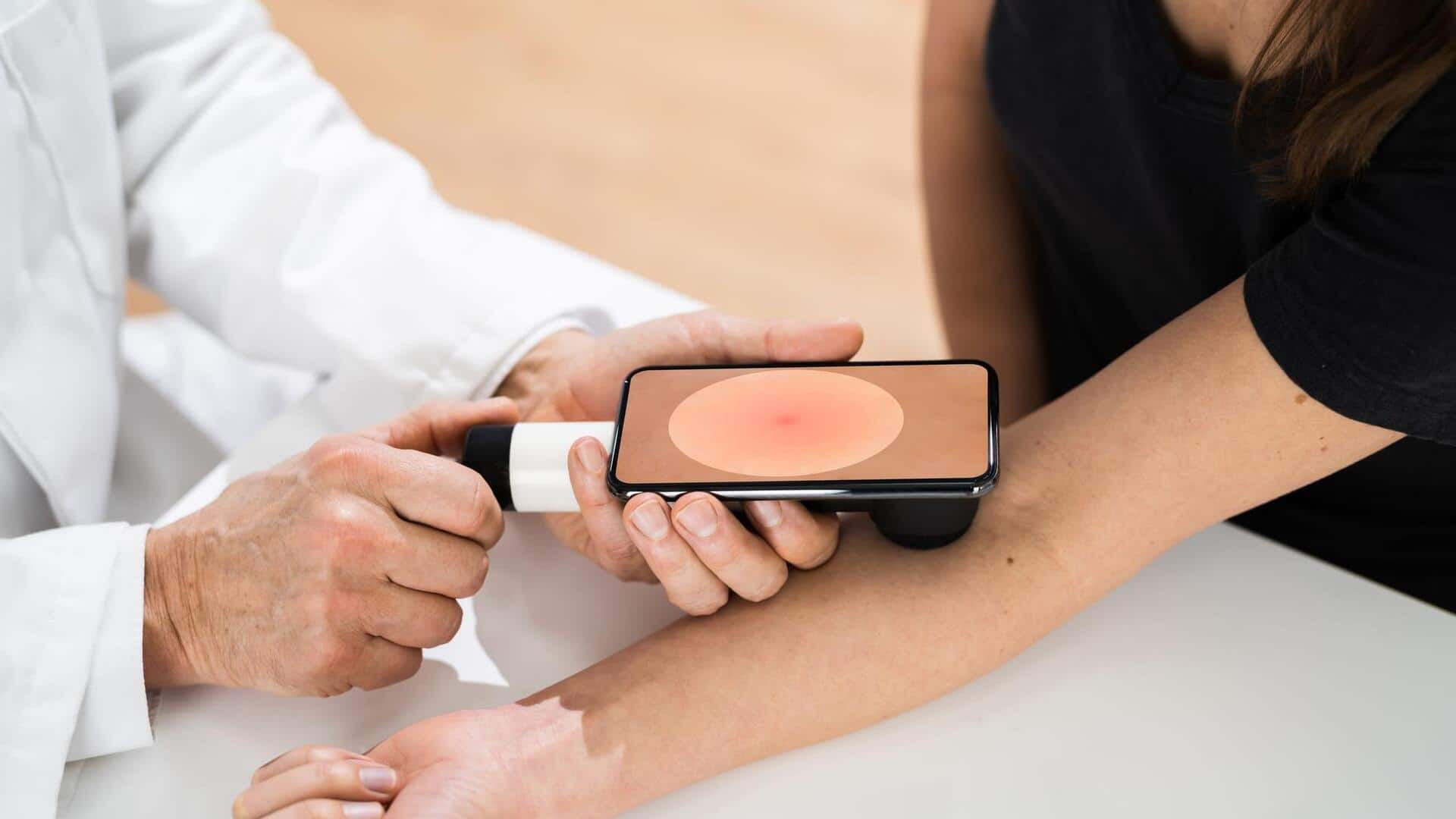
Artificial intelligence is revolutionizing dermatology with real-time skin analysis. It enables quicker, more accurate detection of skin conditions like melanoma, acne, wrinkles, pigmentation, and texture problems. These AI tools employ advanced imaging techniques - RGB, UV, PL, cross-polarized light - and machine learning to assess hydration, sebum, pH, pores, redness, radiance, and so on. They do it in seconds with selfies or live camera feeds.
#1
Advanced imaging techniques in AI dermatology
AI-driven dermatology tools use advanced imaging techniques to improve skin analysis.
RGB and UV imaging techniques enable detailed examination of skin's surface and beneath.
Cross-polarized light reduces glare from the skin's surface to provide clearer images.
These technologies allow for quick assessment of several skin parameters, such as hydration levels and pore size, in a matter of moments.
#2
Personalized skincare recommendations
AI tools provide personalized skincare recommendations through real-time analysis.
By integrating Android SDKs into apps and devices, these systems can offer dermatologist-validated insights on more than 15 different skin concerns.
This personalization guides users in selecting appropriate skincare products according to their specific needs by analyzing data gathered from selfies or live camera inputs.
#3
Real-time data collection for adaptive treatments
Real-time data collection is one of the most promising aspects of AI dermatology solutions such as FotroMed's DermaVision X.
With the information from imaging sensors and demographic and lifestyle data, these systems could tailor treatments to enhance outcomes like moisture levels, skin temperature.
The studies have also shown significant statistical improvements in treatment results with these adaptive approaches.
Tip 1
Enhancing teledermatology with predictive analytics
AI models are revolutionizing teledermatology by making expert-level diagnostics available at your fingertips.
Leveraging predictive analytics with multi-omics data integration, these tools can track the progress of treatment accurately while personalizing care plans for patients.
As datasets continue to grow larger over time, AI promises to be even more precise in detecting conditions early and tracking treatment outcomes efficiently for clinicians and consumers alike.