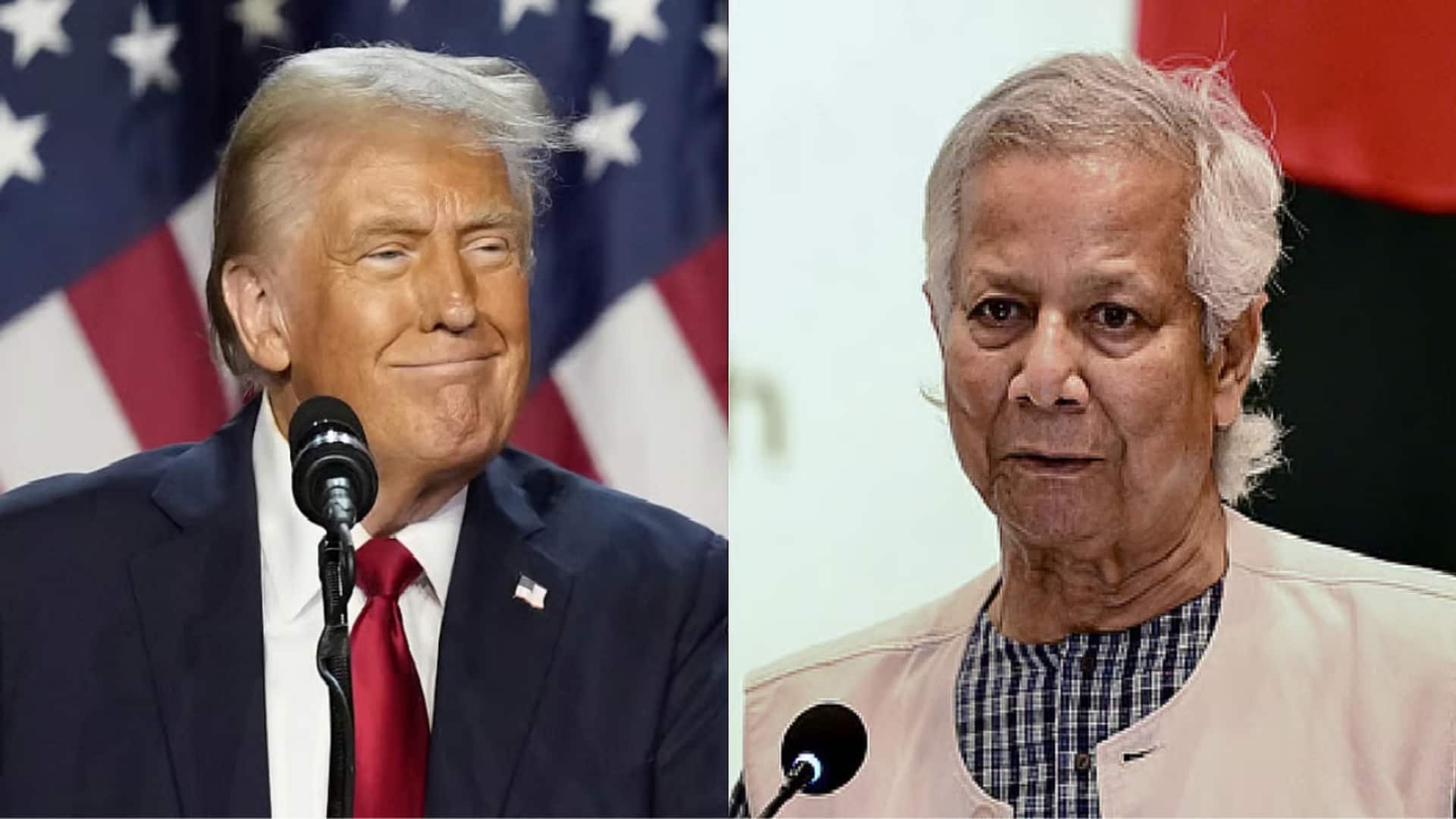
Bangladesh seeks US trade deal matching India's 18% tariff: Report
What's the story
Bangladesh is reportedly hastily finalizing a trade agreement with the United States, scheduled to be signed on February 9. The deal comes just three days before Bangladesh's national election on February 12. The agreement has been criticized for its secrecy, especially after India and the US signed a pact reducing tariffs on Indian goods to 18%, according to a report by NDTV.
Economic dependence
Bangladesh's reliance on US market
Bangladesh's economy is heavily dependent on ready-made garment (RMG) exports to the US, which account for nearly 90% of its exports to the US.
The country fears losing market share to India if it doesn't secure competitive terms in the upcoming trade deal.
In April 2025, Washington imposed a steep 37% tariff on Dhaka, which was negotiated down to 35% in July and then to 20% by August.
Secrecy concerns
Non-Disclosure agreement signed in mid-2025
In mid-2025, Bangladesh's interim government, led by Muhammad Yunus, reportedly signed a Non-Disclosure Agreement with the US. This agreement ensured that all tariff and trade negotiations would be kept confidential.
No draft of the agreement has been shared with the public or key industry stakeholders.
Commerce Adviser Sk Bashir Uddin assured that nothing in the agreement would go against Bangladesh's interests and said it could be made public, subject to US consent.
Favorable terms
Conditions in the trade deal
According to Prothom Alo, there are several conditions in the trade deal. These include reducing imports from China and increasing military imports from the US.
The deal also requires Bangladesh to accept US standards and certifications without question.
Vehicle inspections for American vehicles entering Bangladesh would not be carried out, ensuring easy access for these vehicles into the Bangladeshi market.
Economic impact
Trade volumes between Bangladesh and the US
Bangladesh exports a large volume of clothing and textiles to the US every year, worth around $7-$8.4 billion.
This constitutes nearly 96% of its total exports to the US.
In comparison, Bangladesh imports only about $2 billion worth of goods from the US.
Any changes in trade rules are significant for Bangladesh due to its reliance on American consumers.
Competitive disadvantage
Potential impact on jobs and economy
Since India and Bangladesh export similar products, lower tariffs for India could make Indian goods cheaper for American consumers.
If Bangladesh's "secret" deal doesn't offer competitive rates, it risks losing orders to India, jeopardizing millions of jobs.
The garment sector employs 4-5 million people in Bangladesh and contributes over 80% of its export earnings.
Concerns voiced
Concerns over lack of transparency and timing of agreement
Business leaders are worried about the impact of the deal on various sectors.
Bangladesh Garment Manufacturers and Exporters Association senior vice president Inamul Haque Khan was surprised by the timing of the agreement's signing, according to Hindustan Times.
Bangladeshi economist Anu Muhammad criticized the lack of transparency in entering this agreement, questioning whether foreign lobbyists appointed as chief advisers had commitments that necessitated pushing Bangladesh into this situation, NDTV quoted him as saying.