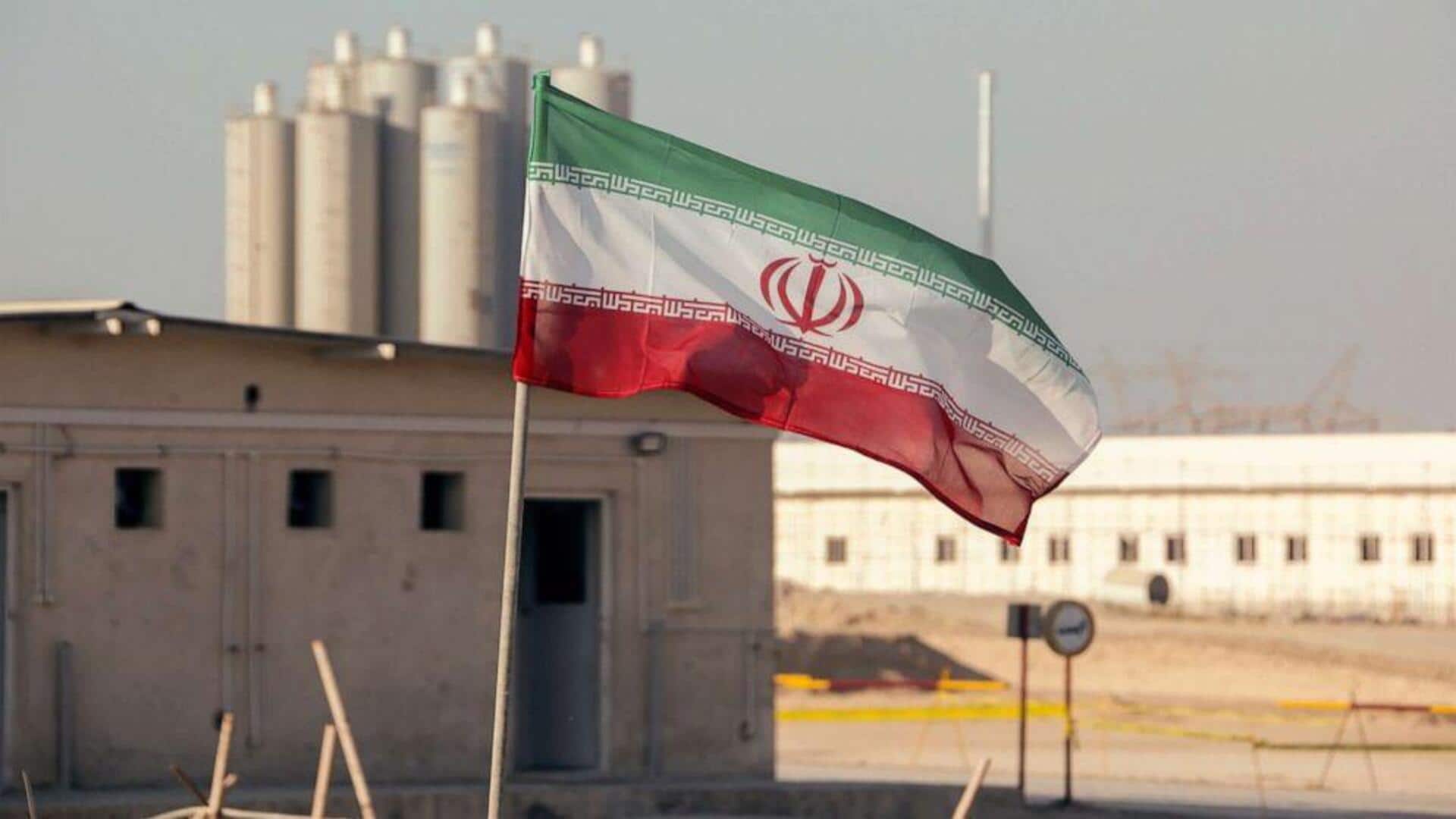
Iran confirms nuclear talks with US after Trump's warning
What's the story
Iran and the United States are set to resume indirect nuclear negotiations on Friday morning in Muscat, Oman. The talks will be led by Iranian Foreign Minister Abbas Araghchi and US special envoy Steve Witkoff. The discussions will focus solely on Iran's peaceful nuclear energy program and the removal of sanctions, a position Tehran has consistently maintained.
Delegation details
Oman expected to play mediating role
Araghchi will be joined by senior diplomats Majid Takht-Ravanchi and Kazem Gharibabadi in the Iranian delegation. Oman is expected to play a mediating role in these talks, which were moved from Istanbul at Tehran's request. The format of these talks is likely to be similar to previous rounds held before last June's US-Israeli conflict with Iran.
Past disruptions
Talks likely to resume after Israel-US-Iran war
Last year's negotiations were interrupted after Israel launched what Iran described as an unprovoked war of aggression, which was later joined by the United States. During the 12-day conflict last year, Israel and the US targeted Iran's nuclear and ballistic missile sites. Iran responded by firing hundreds of ballistic missiles toward Israeli towns and cities. This conflict resulted in over a thousand deaths in Iran and extensive damage to civilian, military, and scientific facilities.
Diplomatic position
Iran's stance on US talks
Tehran has repeatedly emphasized that any engagement with Washington must be limited to nuclear issues. The country has ruled out discussions over its missile program or regional role. Iranian officials have also said successful talks require an environment free from threats and what they describe as illogical or illegal demands.
Rising tensions
Trump warns Iran against harming peaceful protesters
The renewed diplomatic effort comes amid escalating tensions across West Asia and a heightened US military presence in the region. In early January, US President Donald Trump warned Iran of attacks if the country harmed "peaceful protesters" who were rallying against the country's deepening economic unrest before spiraling into a broader movement demanding an end to the Ayatollah regime. Days later, coordinated assaults struck police stations, military installations, and civilian infrastructure in several Iranian cities, triggering a security response.
Military readiness
Trump's time is 'running out' warning
Last week, Trump warned Iran to negotiate a nuclear deal or face devastating consequences. In a social media post, he said a "massive Armada" was heading toward Iran under the command of the USS Abraham Lincoln aircraft carrier. He described the fleet as larger and more powerful than the one sent to Venezuela. "Like with Venezuela, it is, ready, willing, and able to rapidly fulfill its mission, with speed and violence, if necessary," Trump said.