Oil prices rebound as US-Iran tensions escalate
What's the story
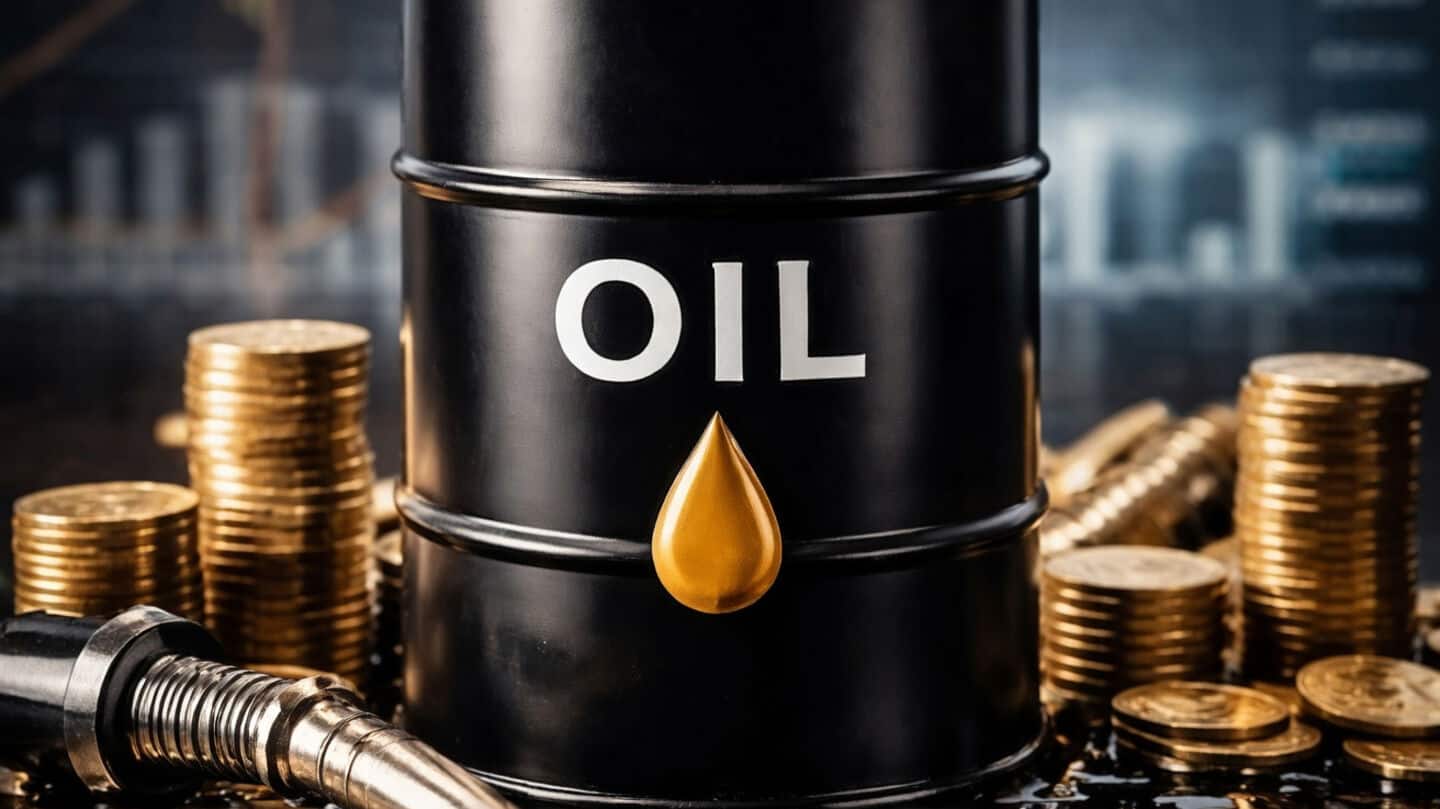
Oil prices have rebounded sharply after a more than 5% drop on Wednesday. The rise comes as US forces carried out new airstrikes in Iran and the two nations remain at an impasse over reopening the Strait of Hormuz. Brent for July settlement rose 2% to $96.21 a barrel while WTI for July delivery gained 1.9% to $90.36 a barrel.
Military action
US airstrikes in Iran
A US official confirmed that American forces had carried out airstrikes on a military site in Iran. The strikes were described as defensive in nature.
Additionally, the US forces intercepted drones targeting a commercial ship and struck a launching unit, further escalating the ongoing conflict between the two nations.
Negotiation hurdles
Crude oil on track for 2nd weekly drop
Despite the military escalations, crude oil is still on track for its second weekly drop. This is due to optimism that an interim deal could be reached between the warring parties.
However, major sticking points remain in the negotiations, including Iran's nuclear program and its demand to retain control over Hormuz Strait.
Presidential position
Trump contradicts Iranian report of draft agreement
President Donald Trump has expressed dissatisfaction with the ongoing talks, contradicting an Iranian report of a draft agreement.
He said that the US would not ease sanctions, which is contrary to Tehran's demand for an end to attacks and financial relief.
This has further complicated the negotiation process between the two nations.
Price forecast
China resuming imports could lead to price surge
Joe DeLaura, global energy strategist at Rabobank, warned that if China resumes imports after strategic petroleum reserve releases end by mid-July, there could be a sharp increase in prices for many refined products.
The failure to reach a deal to end the conflict could further disrupt oil supplies and trigger inflationary pressures.
Central banks including the Federal Reserve are likely to raise interest rates in response.