Why EVs, home appliances might soon become costlier in India
What's the story
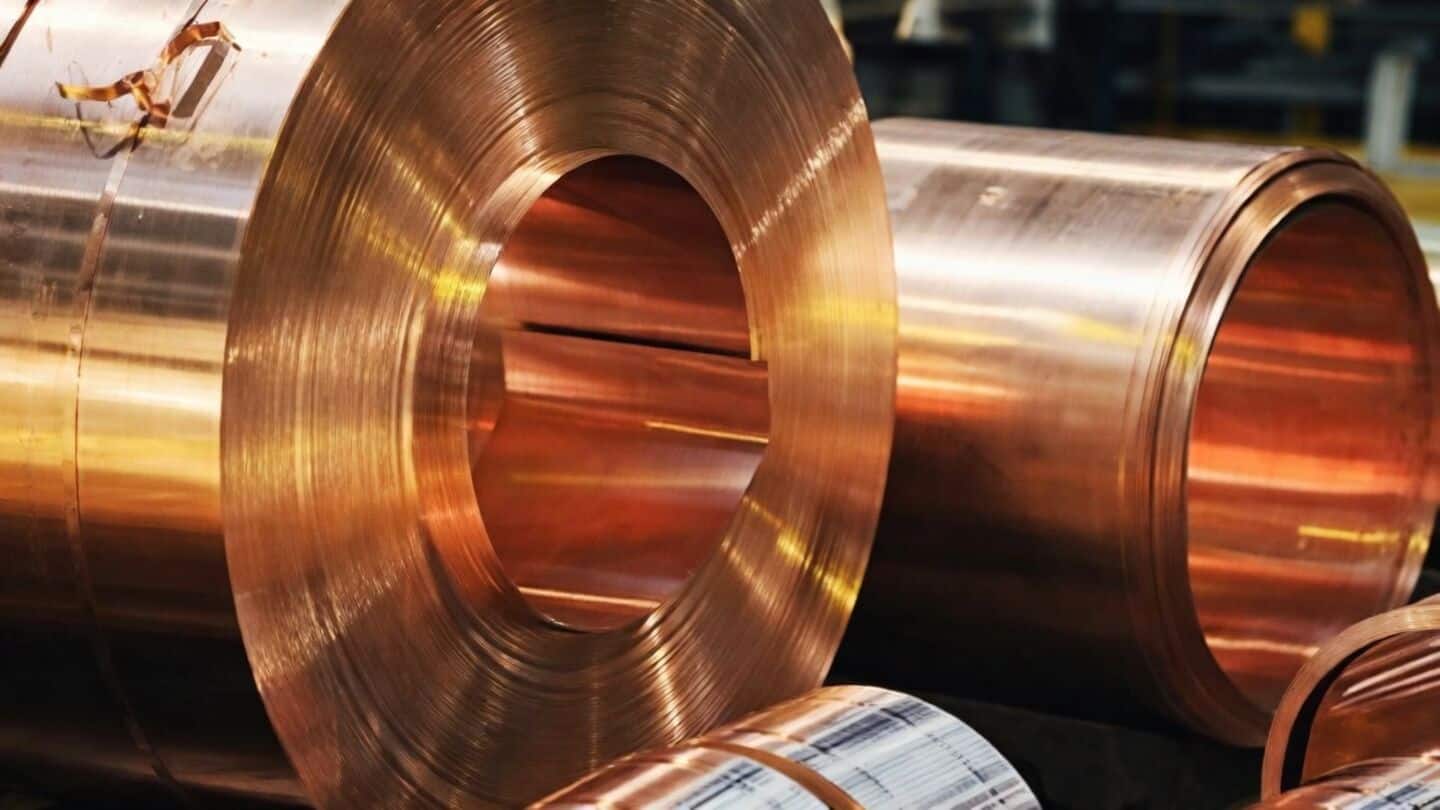
The recent surge in copper prices, which have now crossed $14,000 per ton, is likely to make electric vehicles (EVs) and consumer appliances more expensive. The spike has left the Indian industry, especially sectors like automobile, electronics and telecom, in a quandary over how much of the cost they can absorb or pass on to consumers.
Industry shift
Solar module makers and data centers switching to aluminum
The rising copper prices have prompted solar module makers and data centers to switch to aluminum as an alternative.
This comes after the red metal's prices hit a record high of $14,858 a ton before settling at $14,240 over the weekend.
The price surge was initially driven by fears of potential US tariffs on copper but has since eased amid reports that Washington is reconsidering its plans.
Tariff concerns
US tariffs could further raise domestic copper prices
US officials are worried that the proposed tariffs could further raise domestic copper prices and increase manufacturing costs.
This has left manufacturers with a tough choice: absorb the cost increase, find savings elsewhere, substitute materials, or pass on some of the burden to consumers.
Major Indian auto companies such as Maruti Suzuki, Tata Motors, and Mahindra & Mahindra are already bracing for significant monthly exposure due to rising copper prices.
Sectoral impact
Agriculture and construction sectors also affected
The surge in copper prices is also affecting other sectors like agriculture and construction.
In the agriculture sector, the cost of copper sulfate has increased over six times.
Meanwhile, in construction, the metal's prices have risen over 12% between April and September this year.
Despite these increases, the sector finds it manageable for now.
Manufacturing impact
Input costs rising across electronics and telecom manufacturing
Rising copper prices are also increasing input costs across electronics and telecom manufacturing.
This is especially true for printed circuit boards, power supplies, transformers, connectors, and cabling.
Ajinkya Firodia, Managing Director of Kinetic Engineering, said that higher copper prices are another hurdle for EV economics as they require more copper than internal combustion engine (ICE) vehicles.
Substitution
Appliance makers may substitute aluminum for copper
Appliance makers can substitute aluminum for copper in selected applications.
However, this could lead to a perception of lower quality among consumers who have long associated "100% copper" condensers with performance and durability.
Distributors are worried that companies may use the sharp increase in copper and other input costs as an excuse to squeeze distributor margins, which are already under pressure.