
Cases of scrub typhus surge in Andhra Pradesh
What's the story
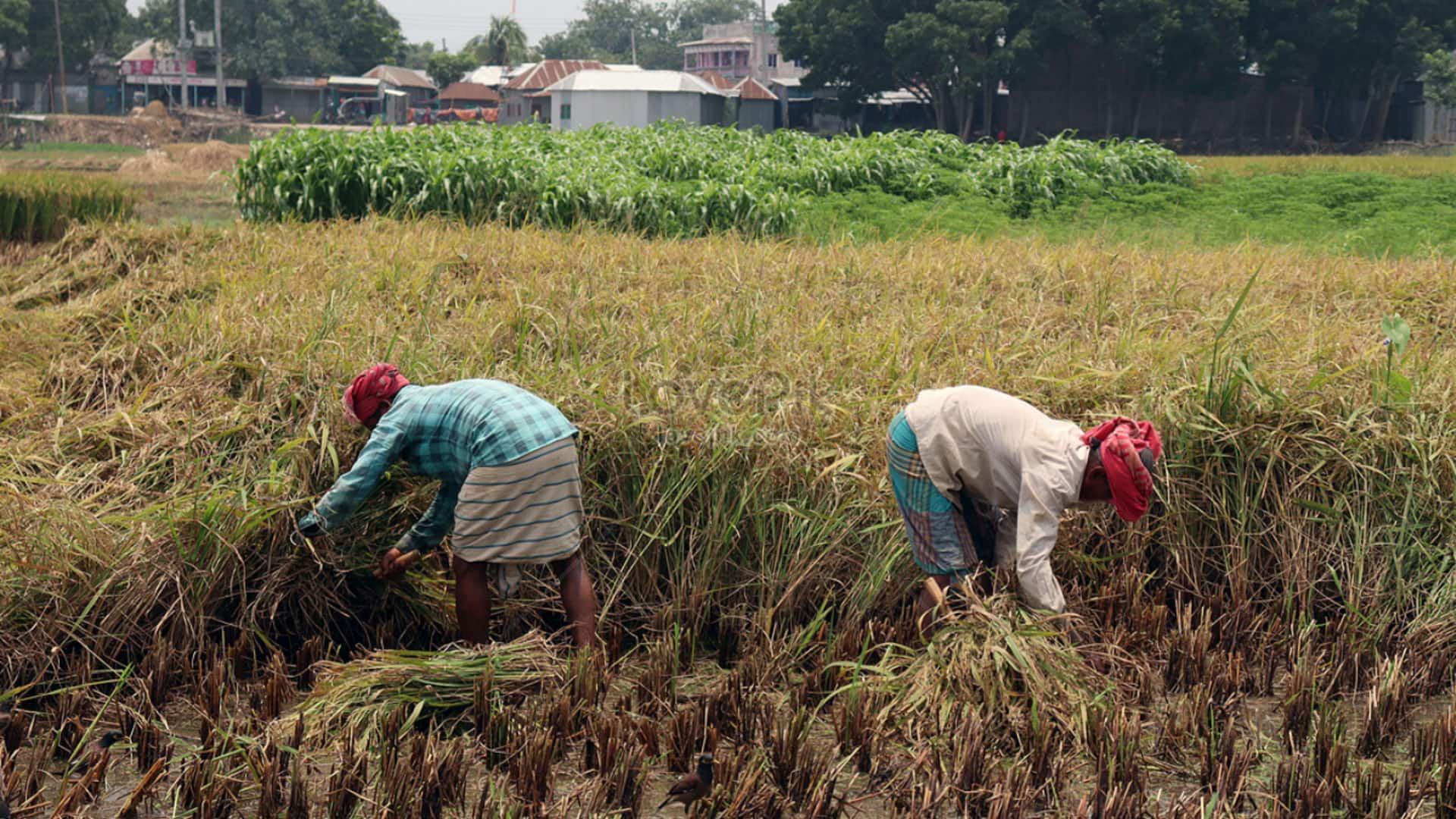
Andhra Pradesh is witnessing a sudden rise in scrub typhus cases, with districts like Chittoor, Kakinada, and Visakhapatnam reporting hundreds of infections, according to Moneycontrol. The disease is caused by the bacterium Orientia tsutsugamushi and transmitted through infected chigger bites. Chiggers are tiny mite larvae found in dense vegetation, paddy fields, bushes, and waste-ridden areas. Farmers, field workers, and children playing outdoors are at the highest risk due to their exposure to dense vegetation and waste-ridden areas.
Case distribution
Scrub typhus cases reported across Andhra Pradesh
According to district-level surveillance, Chittoor has reported around 379 cases of scrub typhus. Kakinada and Visakhapatnam have also reported around 141 and 123 cases, respectively. However, health teams warn that these numbers may be under-reported as many patients initially mistake their symptoms for dengue, malaria, or even seasonal flu. The illness usually appears six to 21 days after a chigger bite, with symptoms peaking around day 10-12.
Health risks
Early detection crucial in preventing serious complications
Scrub typhus starts with high fever, chills, severe headache, and body aches. A tell-tale sign is an "eschar," a dark scab-like patch at the site of the chigger bite. If left untreated, the disease can progress rapidly to affect vital organs like the lungs, liver, kidneys, and the central nervous system. Early treatment with antibiotics can prevent serious complications and reduce mortality rates from 30% to less than 2%.
Disease spread
Factors contributing to rise in scrub typhus cases
The spike in scrub typhus cases is attributed to several factors. Increased vegetation after the monsoon season and improper waste management are major contributors. People working barefoot or without protective clothing also increase their risk of exposure. Low awareness about bite-site symptoms and slow recognition in primary health centers further complicate the situation.
Prevention strategies
Preventive measures and treatment for scrub typhus
To protect against scrub typhus, health authorities recommend avoiding walking barefoot in grass or overgrown areas. Wearing full-sleeved clothing and using insect repellents, such as DEET or permethrin, on clothing is also advised. Keeping surroundings clean by clearing overgrown grass and maintaining hygiene around cattle sheds can help reduce risk. If symptoms persist, especially with a scab-like spot present on the skin, immediate medical care is crucial for timely diagnosis and treatment.