6 Delhi hospitals record 200,000+ acute respiratory cases in 3yrs
What's the story
The Indian capital, Delhi, reported over 200,000 acute respiratory illness (ARI) cases between 2022-2024, the Union Ministry of Health and Family Welfare has disclosed. The cases were recorded in six central government hospitals in Delhi. The hospitals reported 67,054 cases in 2022, 69,293 in 2023 and 68,411 in 2024. Of the total 204,758 ARI cases, more than 30,000 required hospitalization.
Hospital admissions
Delhi's hospitals record surge in ARI cases
The data was tabled by Minister of State for Health and Family Welfare Prataprao Jadhav in response to a question by Rajya Sabha MP Dr. Vikramjit Singh Sahney.
According to the government figures, hospital admissions also increased from 9,878 in 2022 to over 10,000 by end-2024.
The Health Ministry attributed this rise to polluted air acting as a "triggering factor" for respiratory diseases.
Toxic air
Pollution levels in Delhi exceed WHO recommendations
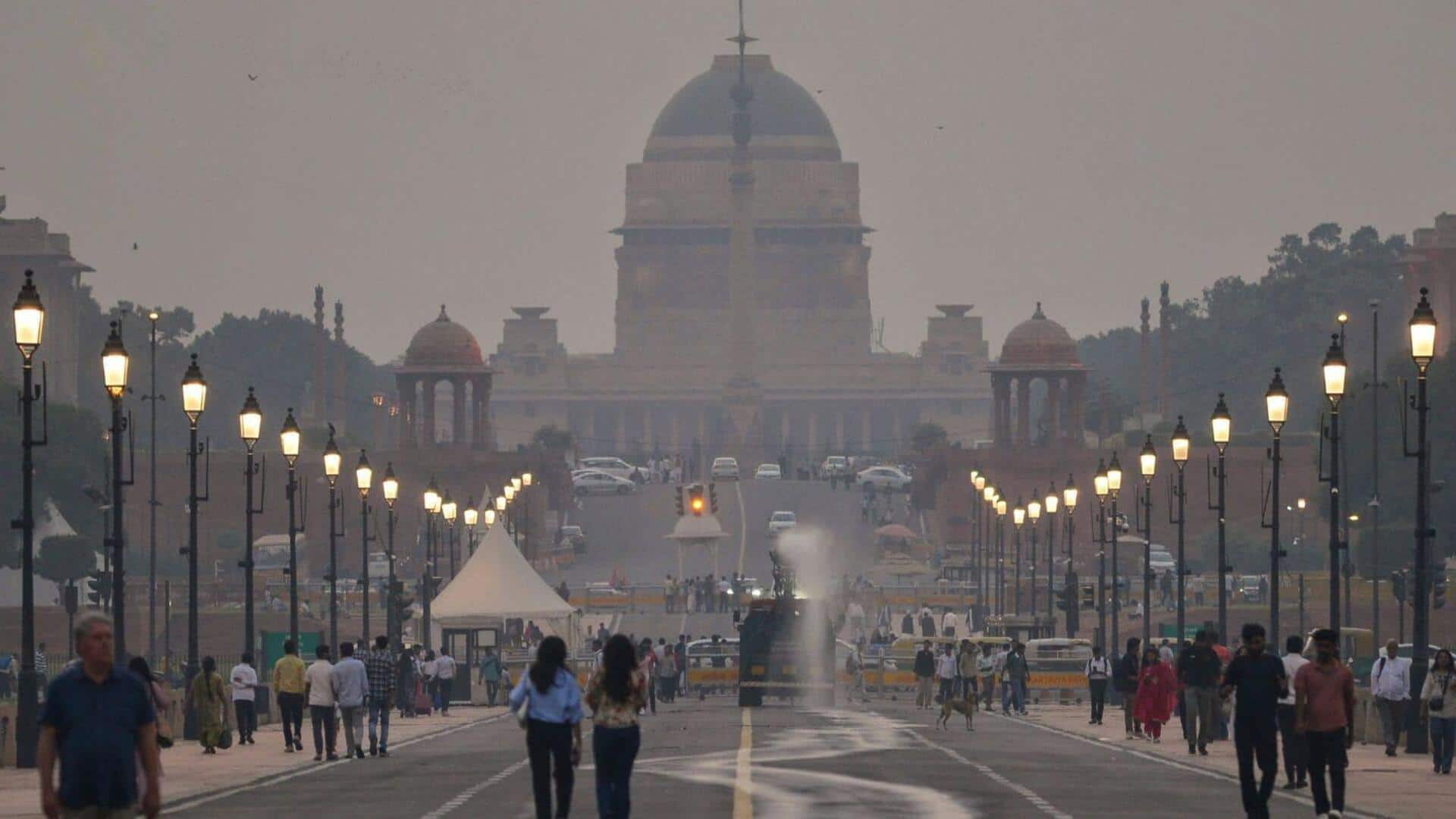
Delhi's Air Quality Index (AQI) has been over 20 times the World Health Organization's recommended limits for weeks.
The toxic air is a recurring problem, particularly during winters.
The city's average AQI has crossed the "severe" mark of 400 multiple times over the past decade, posing serious health risks even to healthy individuals.
On Wednesday morning, the city's average AQI was around 380.
Pollution sources
Delhi's pollution crisis linked to multiple factors
The pollution crisis in Delhi is attributed to industrial emissions, vehicle exhaust, low wind speeds, and seasonal crop stubble burning.
The government said it is closely monitoring rising pollution levels through a national surveillance system.
Other metro cities like Mumbai and Chennai are also facing similar situations with steep increases in emergency visits during severe pollution periods.
Research findings
Study finds link between pollution and respiratory issues
A large multi-site study by the Indian Council of Medical Research found a strong correlation between rising pollution levels and increased emergency visits for breathing problems.
However, the ministry stressed that while there is a strong correlation, causation cannot be directly proved.
The National Centre for Disease Control runs over 230 sentinel surveillance sites to track these trends in real time across India.