NTA director defends Telegram ban ahead of NEET retest
What's the story
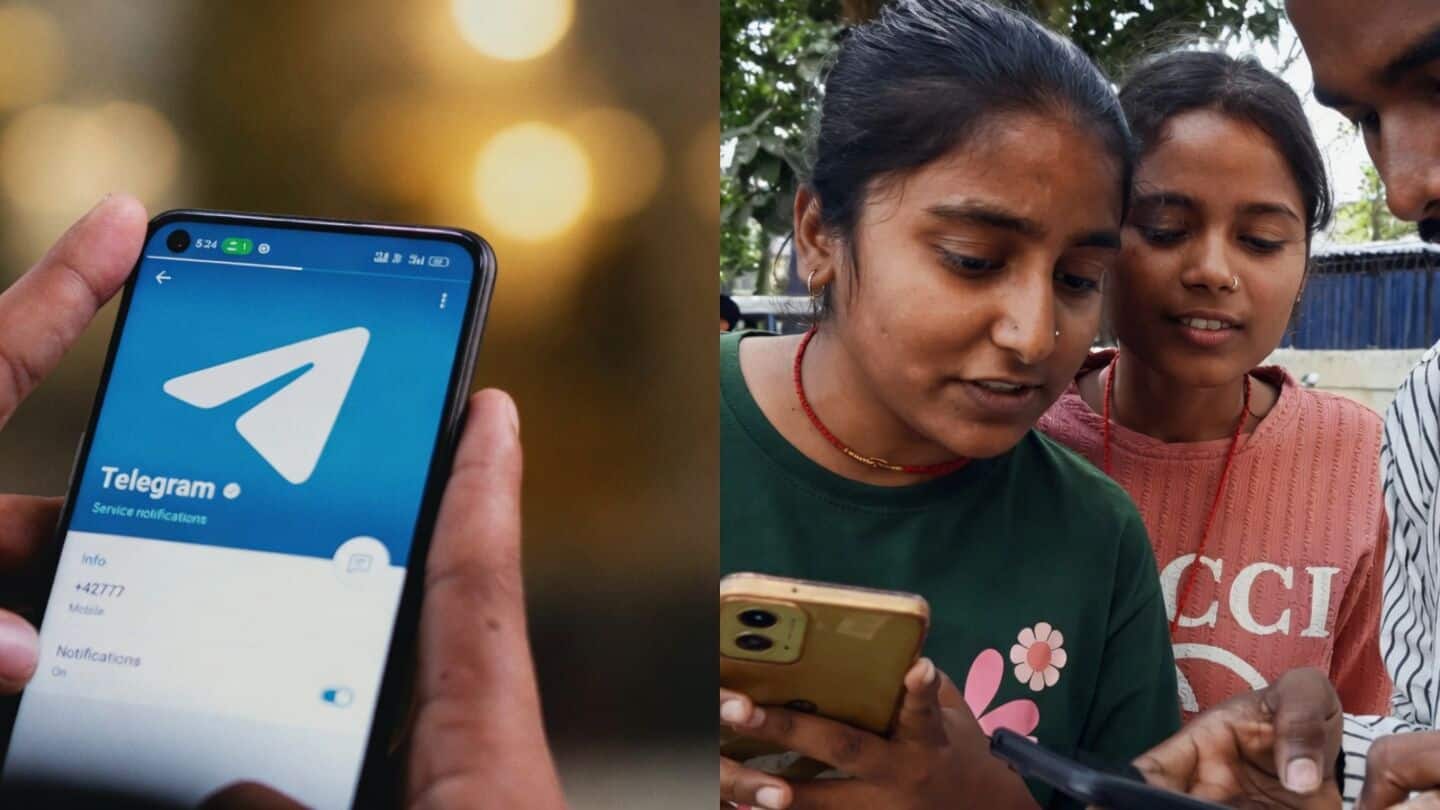
The National Testing Agency (NTA) has defended its decision to temporarily block Telegram ahead of the re-NEET examination on June 21. NTA Director General Abhishek Singh said the platform was being misused by fraudsters to share fake question papers and scam students. "We had to take this drastic step because the platform was continuously being misused by scamsters and fraudsters sharing fake question papers as genuine question papers," he said.
Official talks
NTA held talks with Telegram officials
Singh revealed that the NTA had held talks with Telegram officials, urging them to monitor groups claiming to offer leaked NEET papers. "We had a meeting with the Telegram officials and requested them to not allow creation of any group which clearly says that it's a NEET leak paper," he told ANI. He said despite blocking 200 channels, some frauds continued due to delays in action from Telegram.
Exam details
Ban under IT Act
The Ministry of Electronics and Information Technology (MeitY) imposed the ban under Section 69A of the Information Technology Act, 2000. The restriction will be in force until June 22, covering the exam day and its immediate aftermath. In addition to restricting access, authorities have also asked Telegram to disable its message-editing feature in India till June 30.
Feature misuse
Government asks Telegram to disable message-editing feature
This decision comes after past instances where message-editing feature was misused to fabricate "after-the-event" evidence of paper leaks. In such cases, administrators would edit old messages after examinations were completed, inserting question papers or documents to create false narratives of examination malpractice. It further said that many Telegram channels like "Paper Leaked NEET," "Re-NEET 2026," "Private Mafia," and similar titles were seeking payments ranging from a thousand rupees to several lakh rupees in return for access to the exam paper.