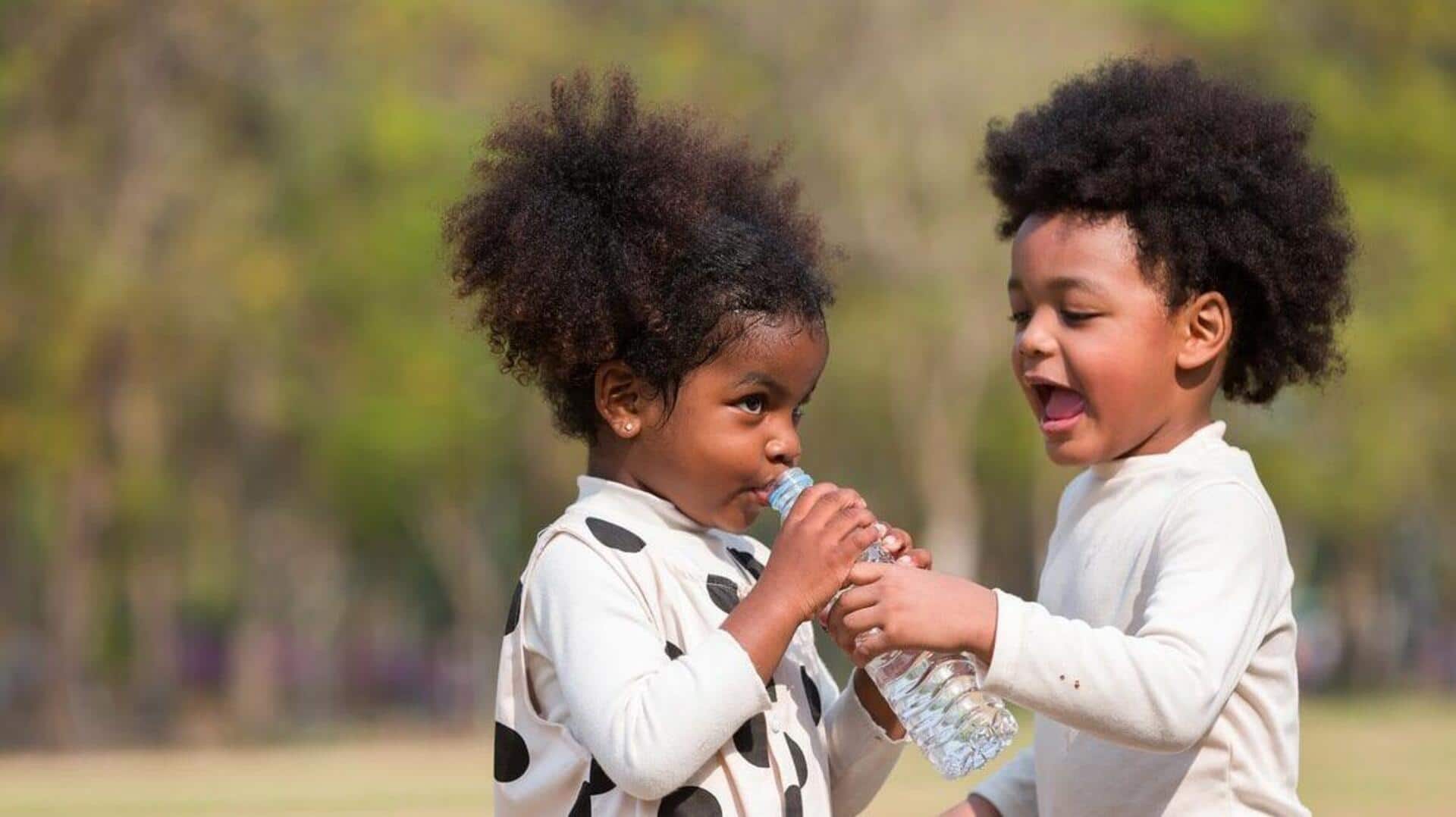
How to teach kids the value of kindness
What's the story
Teaching children the value of kindness is one of the most important things you can do as a parent or caregiver. By instilling these habits early on, you can help them develop empathy and compassion towards others. Here are five daily kindness habits that can make a positive difference in the lives of children and their friends. These simple practices can create an environment where kindness thrives.
Tip 1
Share a compliment daily
Encouraging children to give compliments every day can go a long way in building confidence and positivity among peers. A simple compliment about someone's effort or appearance can make their day brighter. This habit teaches kids to recognize the good in others, fostering an atmosphere of mutual respect and appreciation.
Tip 2
Practice active listening
Active listening is all about giving full attention when someone else is speaking, without interrupting or judging. Teaching kids this skill helps them understand different perspectives and shows that they value what others have to say. It strengthens friendships by building trust and understanding between them.
Tip 3
Offer help without being asked
Encouraging kids to offer help without waiting for someone to ask fosters selflessness and generosity. Whether it's assisting a classmate with homework or helping a friend carry their backpack, these small acts of kindness go a long way in building strong bonds between friends.
Tip 4
Express gratitude regularly
Expressing gratitude is a powerful way to acknowledge the efforts of others. Encourage children to say thank you often, whether it's for small favors or larger gestures. This habit not only makes others feel appreciated but also teaches kids the importance of recognizing the kindness they receive from those around them.
Tip 5
Include others in activities
Including others in games or group activities promotes inclusivity and teamwork among children. Teaching them to be mindful of those who might feel left out encourages empathy and strengthens social skills. This habit helps create a welcoming environment where everyone feels valued and included, regardless of differences.