5 uses of hibiscus in African culture
What's the story
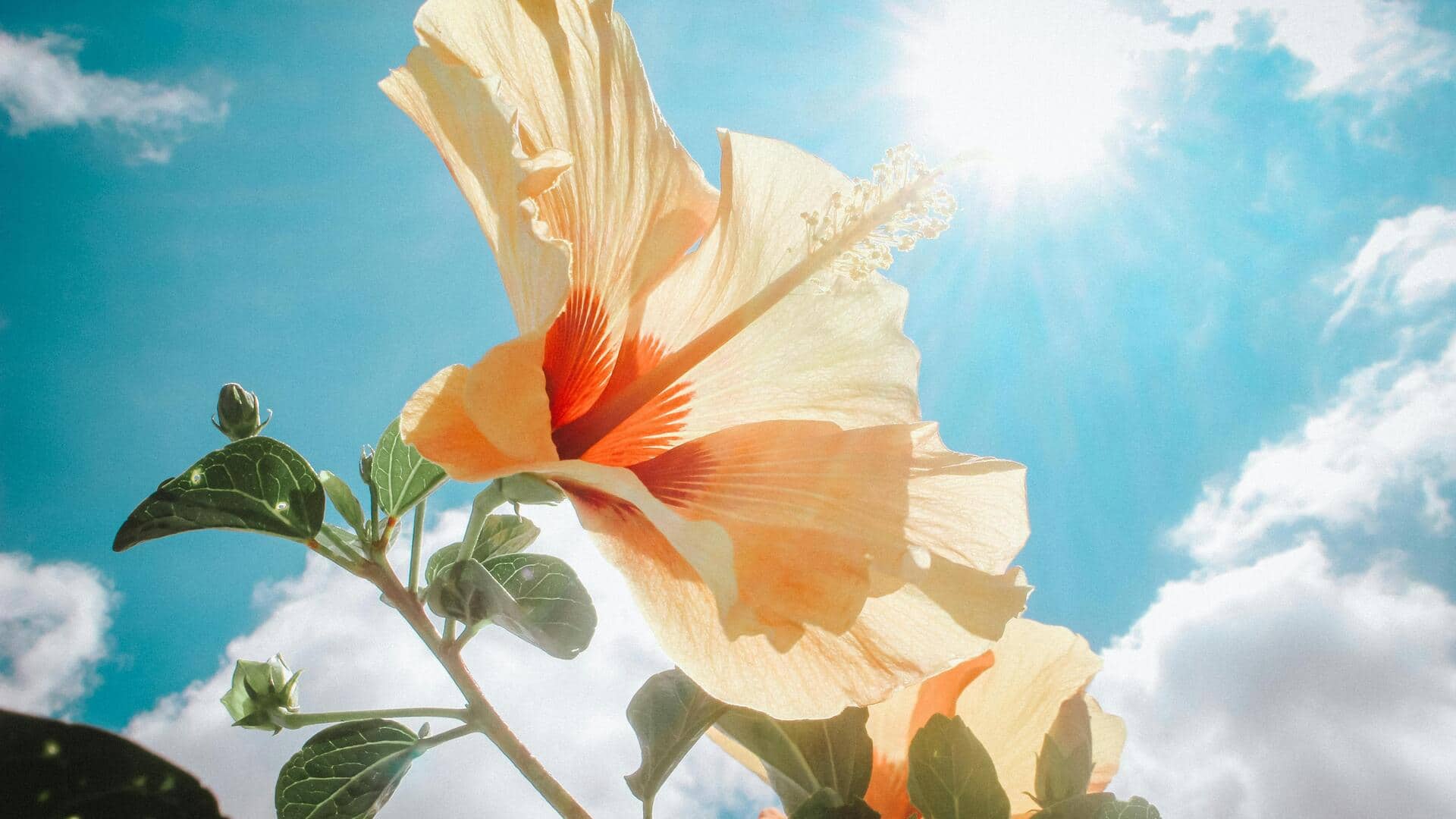
Hibiscus, a vibrant flower, is an integral part of many African cultures. From ceremonies to daily life, the plant is used for its beauty and symbolic meanings. Here are five fascinating ways Africans use hibiscus in their daily lives, showcasing the plant's versatility and cultural significance across the continent.
Drink
Traditional beverages
In several African countries, hibiscus is used to prepare refreshing drinks like bissap or zobo.
These beverages are prepared by steeping dried hibiscus petals in water with sugar and spices. They are consumed cold or hot, depending on the weather.
These drinks are not just refreshing but also have antioxidant properties, making them a popular choice among locals and tourists alike.
Dyeing
Natural dyeing techniques
Hibiscus petals are also used as a natural dyeing agent in several African communities. The vibrant color of the petals can be used to dye fabrics like cotton and silk.
This traditional technique is eco-friendly and preserves the cultural heritage of textile production in Africa.
The resulting fabrics often have unique patterns and hues that reflect the artistry of the dyers.
Health
Medicinal uses
Hibiscus has been used in traditional medicine for centuries across Africa.
It is believed to have several health benefits, including lowering blood pressure and aiding digestion.
The leaves and flowers can be brewed into teas or infusions that are consumed for their therapeutic properties.
This practice highlights the plant's importance beyond aesthetics, as it contributes to health care routines.
Ceremony
Ritualistic ceremonies
In some African cultures, hibiscus plays a key role in rituals and ceremonies.
The flowers are used as offerings or decorations during important events such as weddings or festivals.
The vibrant color of hibiscus is often associated with joy and celebration, making it a popular choice for these occasions.
Gardening
Gardening practices
Hibiscus plants are also grown in home gardens across Africa for ornamental purposes or as part of permaculture systems.
Their resilience makes them easy to grow in different climates, while adding beauty to any garden space with their colorful blooms throughout the year.
Gardeners appreciate both aesthetic value, along with potential ecological benefits provided by these versatile plants within local ecosystems.