Why cowpeas deserve a spot in your diet
What's the story
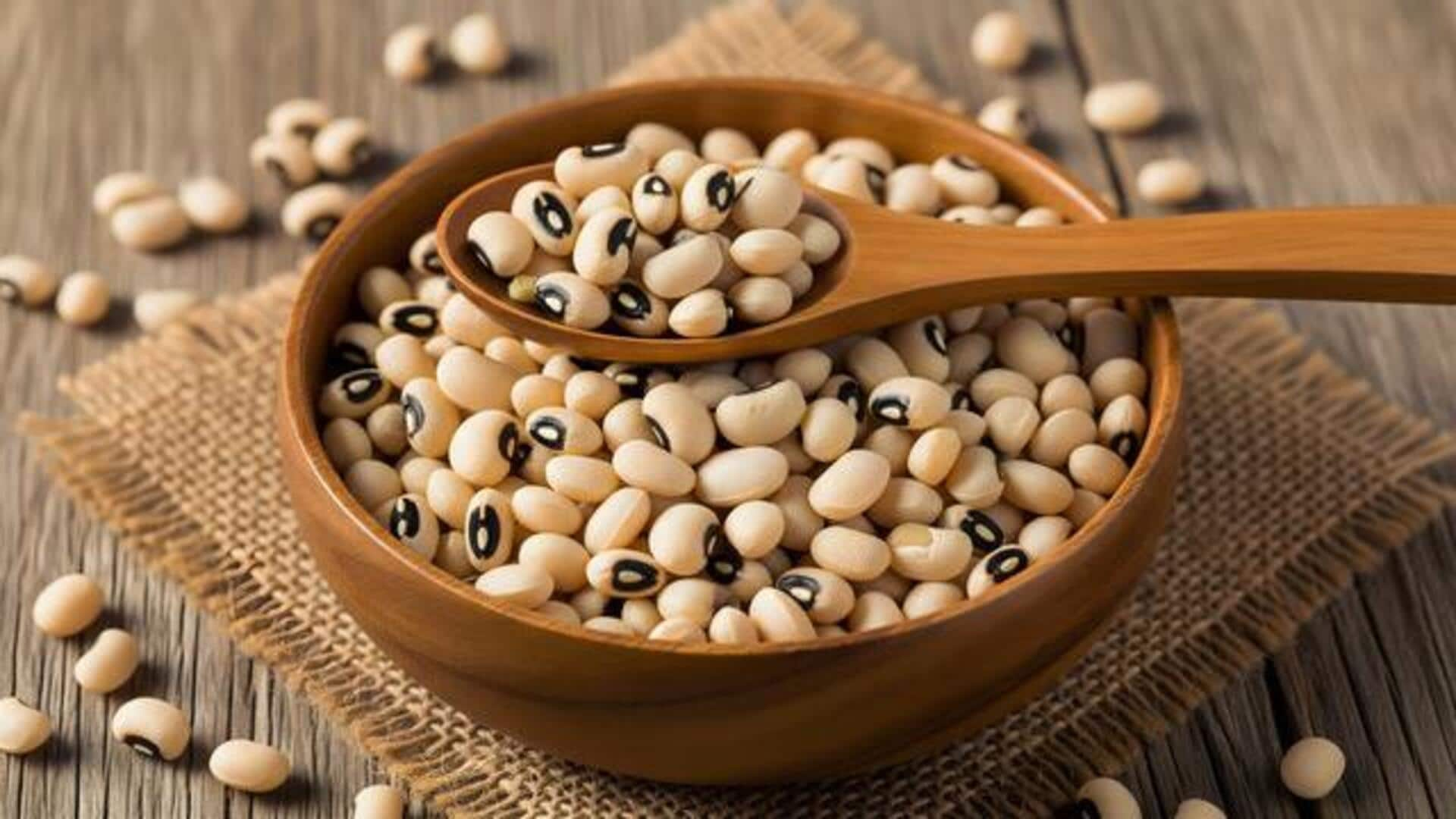
African cowpeas, also known as black-eyed peas, are a staple in many African cuisines. These legumes are packed with nutrients and offer a range of health benefits. They are rich in protein, fiber, and essential vitamins and minerals. Including cowpeas in your diet can contribute to better health by supporting digestion, boosting energy levels, and promoting overall well-being. Here are five health benefits of African cowpeas.
Tip 1
Supports digestive health
Cowpeas are an excellent source of dietary fiber, which is essential for maintaining digestive health.
The fiber content helps regulate bowel movements and prevent constipation by adding bulk to the stool.
Regular consumption of cowpeas can promote a healthy gut environment and reduce the risk of digestive disorders.
Tip 2
Boosts energy levels
Rich in complex carbohydrates, cowpeas serve as a great source of sustained energy.
Unlike simple sugars that cause quick spikes and drops in blood sugar levels, the carbs in cowpeas release energy gradually.
This makes them an ideal food for anyone looking to maintain their energy levels throughout the day without the crashes associated with sugary snacks.
Tip 3
Promotes heart health
Cowpeas are packed with heart-friendly nutrients such as potassium and magnesium, which help keep blood pressure in check.
The low sodium content of these legumes also makes them great for heart health.
Eating cowpeas regularly can lower the risk of cardiovascular diseases by keeping blood pressure levels healthy and promoting heart function.
Tip 4
Aids weight management
The high fiber content in cowpeas also helps with weight management by keeping you full for longer.
This reduces the chances of overeating or snacking on unhealthy foods between meals.
Plus, cowpeas are low in calories but rich in nutrients, making them an ideal addition to any weight-loss diet plan.
Tip 5
Enhances bone strength
Cowpeas are also an excellent source of calcium, which is essential for strong bones and teeth.
Regular consumption of these legumes can help in maintaining bone density as you age.
It also reduces the risk of osteoporosis-related fractures or injuries over time.