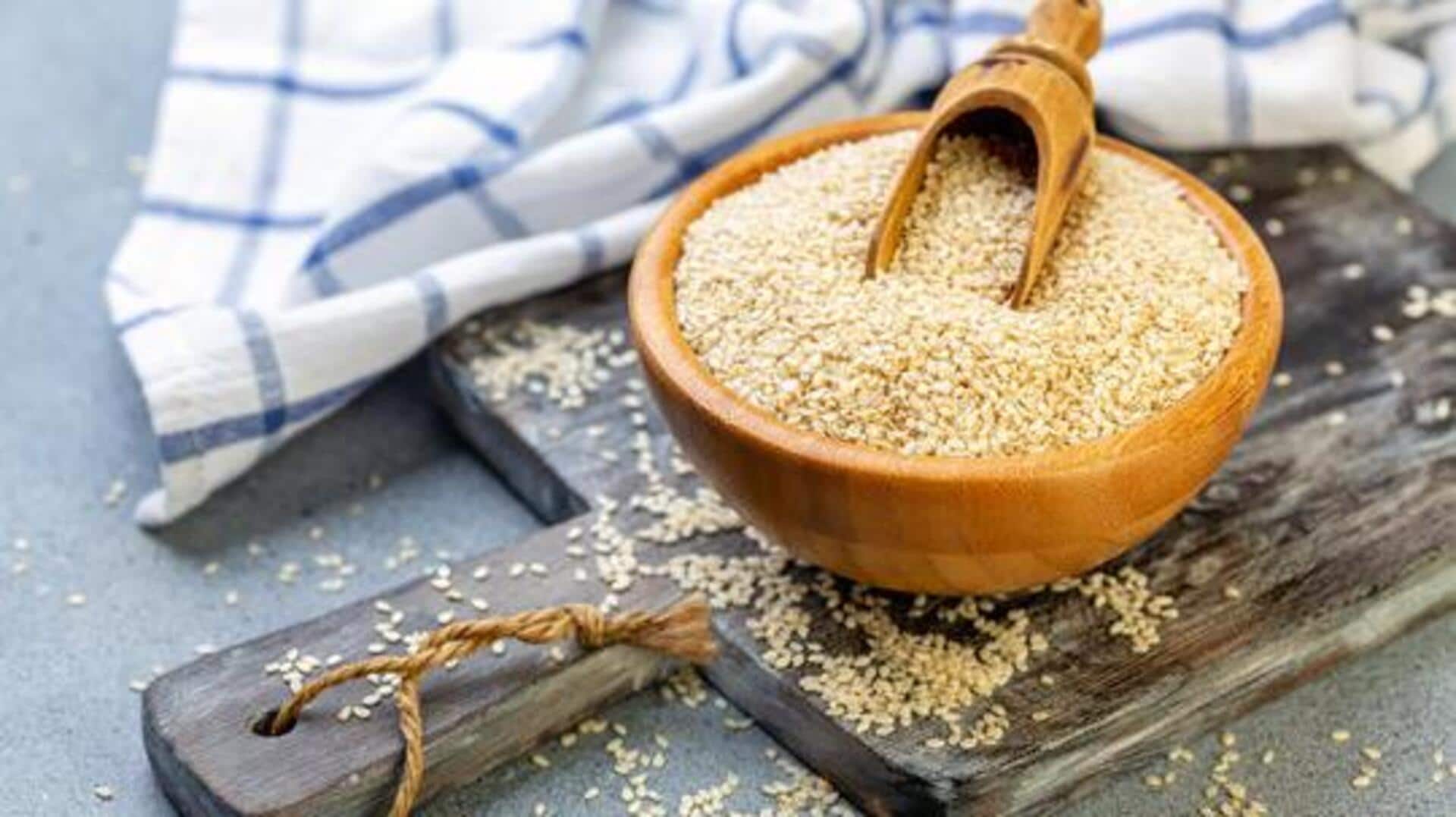
5 uses of sesame seeds
What's the story
African guizotia seeds, commonly known as Ethiopian sesame or niger seeds, are tiny but powerful seeds. They have been a part of African cuisine and traditional medicine for centuries. These seeds are rich in nutrients and have a number of health benefits. From culinary uses to natural remedies, African guizotia seeds offer a variety of applications that can be useful in everyday life. Here are five practical uses of these remarkable seeds.
#1
Nutrient-rich cooking ingredient
African guizotia seeds are a great source of essential nutrients such as calcium, iron, and magnesium.
They can be added to various dishes to enhance their nutritional value.
Roasting the seeds before adding them can bring out their flavor and make them more palatable.
They can be sprinkled on salads or used as a garnish for soups and stews.
#2
Natural oil source
The oil extracted from African guizotia seeds is known for its light texture and mild flavor.
This oil is widely used in cooking and frying, owing to its high smoke point.
It is also used in cosmetic products because of its moisturizing properties.
The oil is rich in unsaturated fats, making it a healthier option than some other cooking oils.
#3
Traditional medicine applications
In traditional medicine practices across Africa, African guizotia seeds are used for their therapeutic properties.
They are believed to help with digestion and reduce inflammation when consumed regularly.
Some cultures use the ground seed paste topically to treat skin irritations or minor wounds due to its antimicrobial effects.
#4
Flavorful spice alternative
Ground African guizotia seeds can be used as a spice alternative in various recipes.
Their nutty flavor adds depth to dishes without overpowering other ingredients.
This makes them an excellent choice for those looking to experiment with new flavors in their cooking routine.
#5
Sustainable agricultural option
Growing African guizotia provides an eco-friendly agricultural option, as it requires less water than other crops.
This makes it an ideal choice for farmers in water-scarce regions.
Its adaptability to different soil types further enhances its appeal as a sustainable crop.
This not only helps diversify local economies but also promotes environmental conservation efforts globally.