How to create adire patterns at home
What's the story
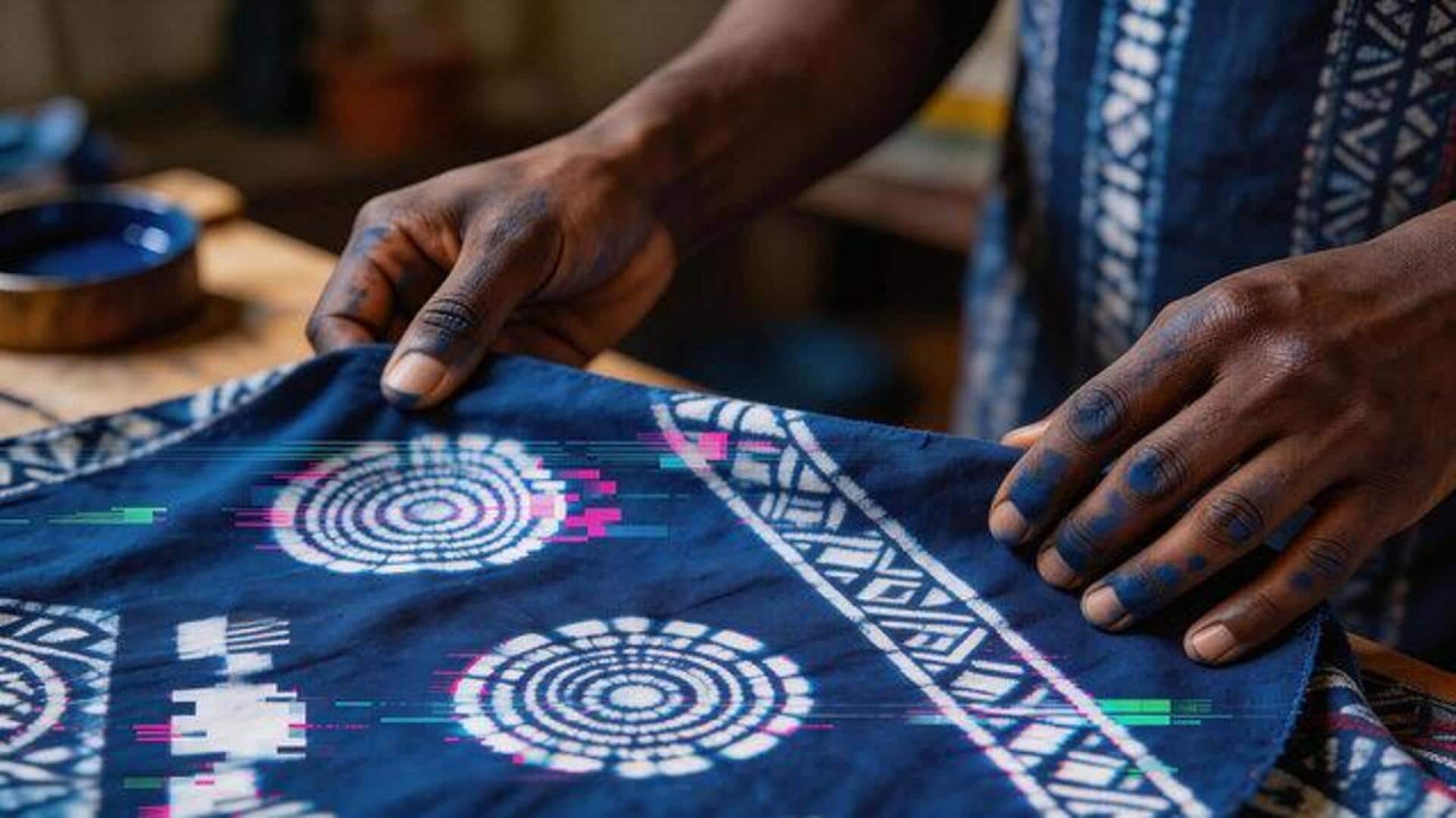
Adire patterns are a unique form of African textile art from Nigeria's Yoruba culture. These vibrant designs are created using indigo dyeing techniques, resulting in intricate patterns on fabric. The art of creating adire involves tying, stitching, or folding the fabric before dyeing it. This traditional craft not only showcases the creativity of artisans but also serves as a cultural expression. It is an accessible DIY project that can be enjoyed by anyone interested in exploring African art and design.
#1
Understanding the art of adire
Adire is made by resist-dyeing cotton fabric with indigo dye. The process involves tying or folding the fabric in certain ways so that the dye does not penetrate certain areas, creating unique patterns. The patterns can be geometric or symbolic, often reflecting cultural stories or beliefs. This technique has been passed down through generations and remains an important part of Nigerian heritage.
#2
Materials needed for adire crafting
To start your own adire project, you'll need some basic materials: cotton fabric (preferably white or light-colored), indigo dye, rubber bands or string for tying, and water for rinsing. These items are easily available at craft stores or online. The cost is usually low, making it an inexpensive way to explore this traditional art form at home.
#3
Techniques for creating patterns
There are various techniques used in creating adire patterns. Tying small sections of fabric with rubber bands creates circular designs when dyed. Stitching patterns with thread creates intricate designs that resist dye penetration. Folding techniques, like accordion pleats, create linear designs across the fabric surface. Each technique offers endless possibilities for creativity and personal expression.
Tip 1
Tips for successful adire projects
When starting your first adire project, choose simple designs that do not require advanced skills. Practice basic tying techniques before moving on to more complex patterns. Ensure all materials are ready before starting the process to avoid interruptions. Follow safety precautions while handling dyes, as they can stain hands and surfaces if not managed properly.