How African basket weaving is inspiring global artisans
What's the story
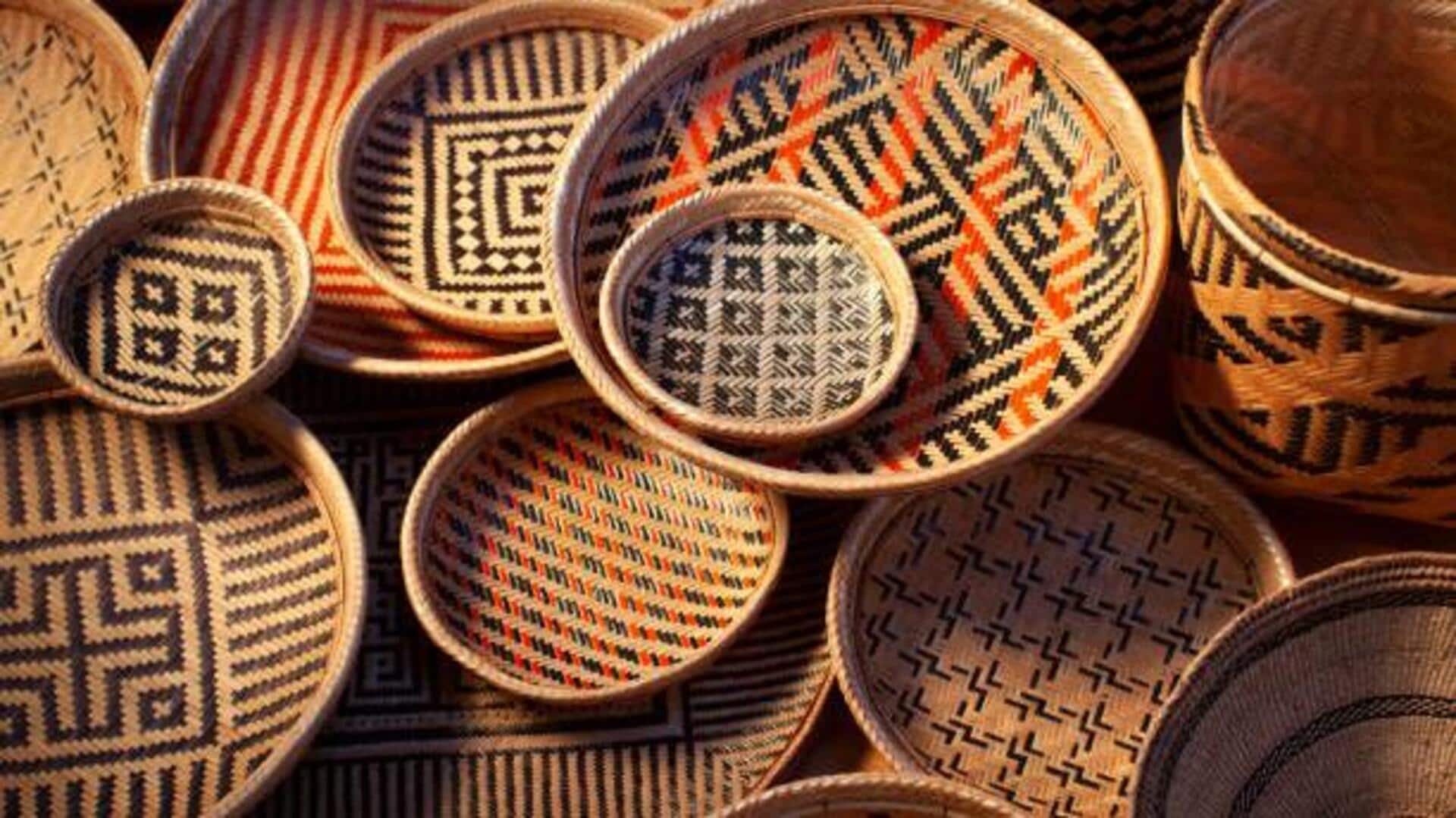
African basket weaving is a centuries-old tradition that marries art with sustainability. The practice, which is still prevalent across the continent, employs natural materials to create functional and decorative items. The artisans use techniques passed down through generations, ensuring the preservation of cultural heritage while promoting environmental sustainability. By focusing on eco-friendly practices, African basket weaving offers a model for sustainable craftsmanship that can inspire global communities.
Natural resources
Materials used in basket weaving
African basket weavers rely on locally sourced natural materials, such as grasses, reeds, and palm leaves.
These materials are renewable and biodegradable, making them ideal for sustainable crafting.
The use of local resources also minimizes transportation emissions and supports local economies.
By using these materials, artisans ensure their work has a minimal environmental impact while showcasing the beauty of natural fibers.
Traditional methods
Techniques passed down through generations
The techniques used in African basket weaving have been passed down through generations.
Each community has its own unique style, defined by the patterns and shapes used in their baskets.
These techniques are often learned from elders in the community, ensuring that the knowledge is preserved for future generations.
The emphasis on traditional methods also highlights the cultural significance of this craft.
Community benefits
Economic impact on local communities
Basket weaving provides a source of income for many communities across Africa.
By selling their products at local markets or exporting them internationally, artisans can support their families and contribute to community development projects.
The economic benefits extend beyond individual artisans as well; increased demand for handmade baskets can lead to job creation in related sectors, such as agriculture and tourism.
Eco-friendly practices
Environmental benefits of sustainable crafting
Sustainable crafting practices like African basket weaving contribute significantly to environmental conservation efforts.
By using renewable resources and minimizing waste during production processes, these artisans help reduce carbon footprints associated with mass-produced goods.
Furthermore, the focus on sustainability encourages consumers worldwide to appreciate eco-friendly alternatives over synthetic options that may harm ecosystems.