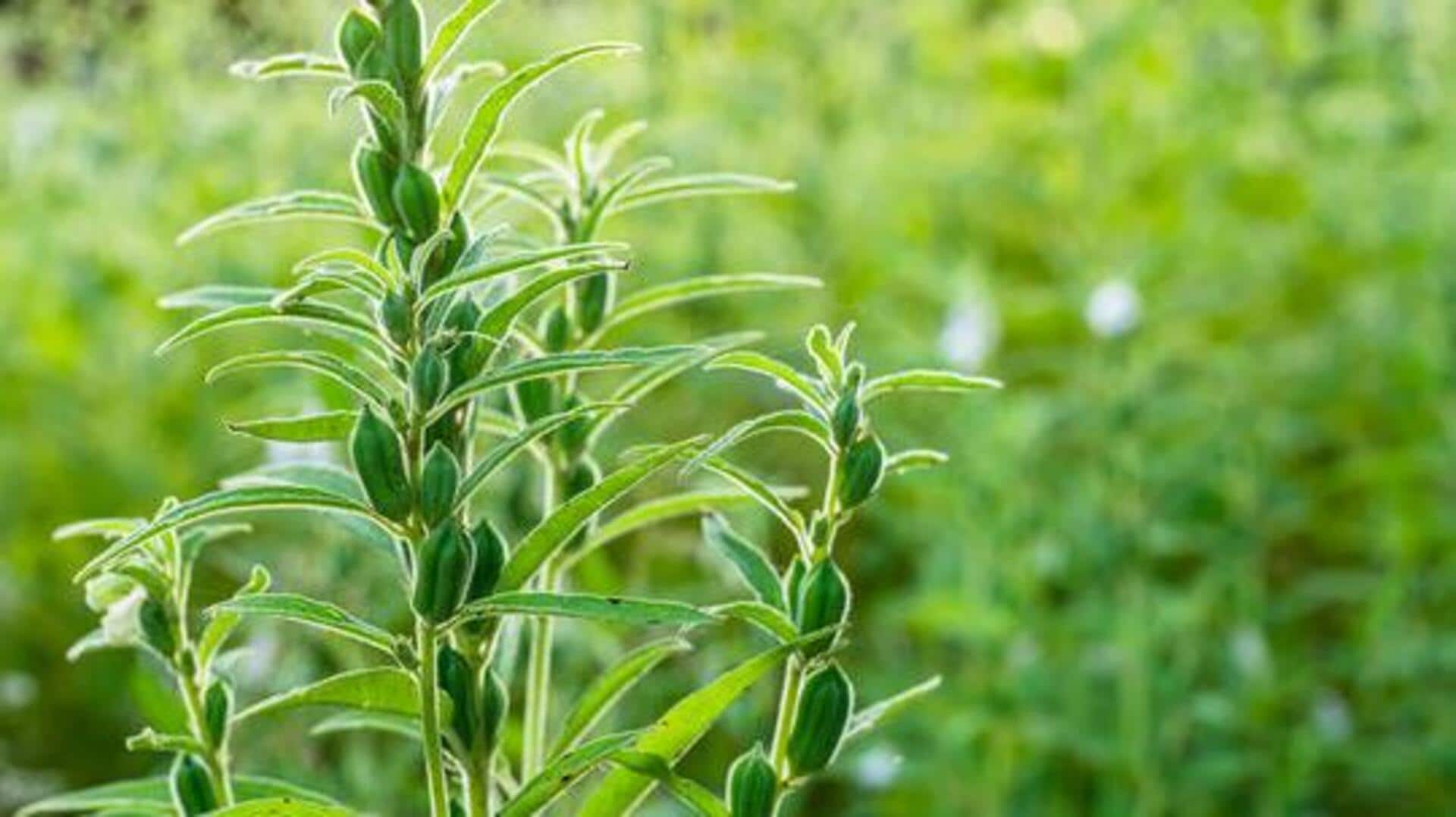
Wild sesame: Nutrition, culinary uses, and more
What's the story
African false sesame (wild sesame), an ancient plant, is making waves for its high calcium content. This plant is not just a nutritional marvel but also an important part of traditional African diets. With the rising interest in plant-based sources of nutrition, African false sesame is being recognized for its potential to meet dietary requirements. Here's a look at the benefits and uses of this remarkable plant.
#1
Nutritional benefits of African false sesame
African false sesame is loaded with calcium, which is essential for healthy bones and teeth.
It also offers other essential nutrients such as magnesium and potassium. These nutrients are essential for several bodily functions, including muscle contraction and nerve signaling.
Adding African false sesame to your diet can help you meet your daily nutritional requirements without relying on dairy products.
#2
Traditional uses in African cuisine
In several African communities, African false sesame is commonly used in traditional dishes.
The seeds can be ground into a paste or flour and added to soups, stews, or bread.
This not only enhances the flavor but also adds to the nutritional value of the meal.
The versatility of this ingredient makes it an essential part of many traditional recipes.
#3
Modern applications and innovations
With the growing popularity of plant-based diets, African false sesame is being explored for modern culinary applications.
Chefs are experimenting with it in salads, smoothies, and desserts to add a unique flavor profile while boosting calcium content.
The seed's adaptability makes it a valuable addition to contemporary cooking, catering to health-conscious consumers seeking diverse food options.
Tip 1
Cultivation and sustainability efforts
Cultivating African false sesame contributes to sustainable agriculture practices.
The plant is drought-resistant and requires fewer resources than other crops, making it suitable for arid regions.
Efforts are underway to promote its cultivation as part of sustainable farming initiatives across Africa. This not only supports local economies but also helps preserve traditional agricultural methods.