How artisans are reimagining traditional quilts
What's the story
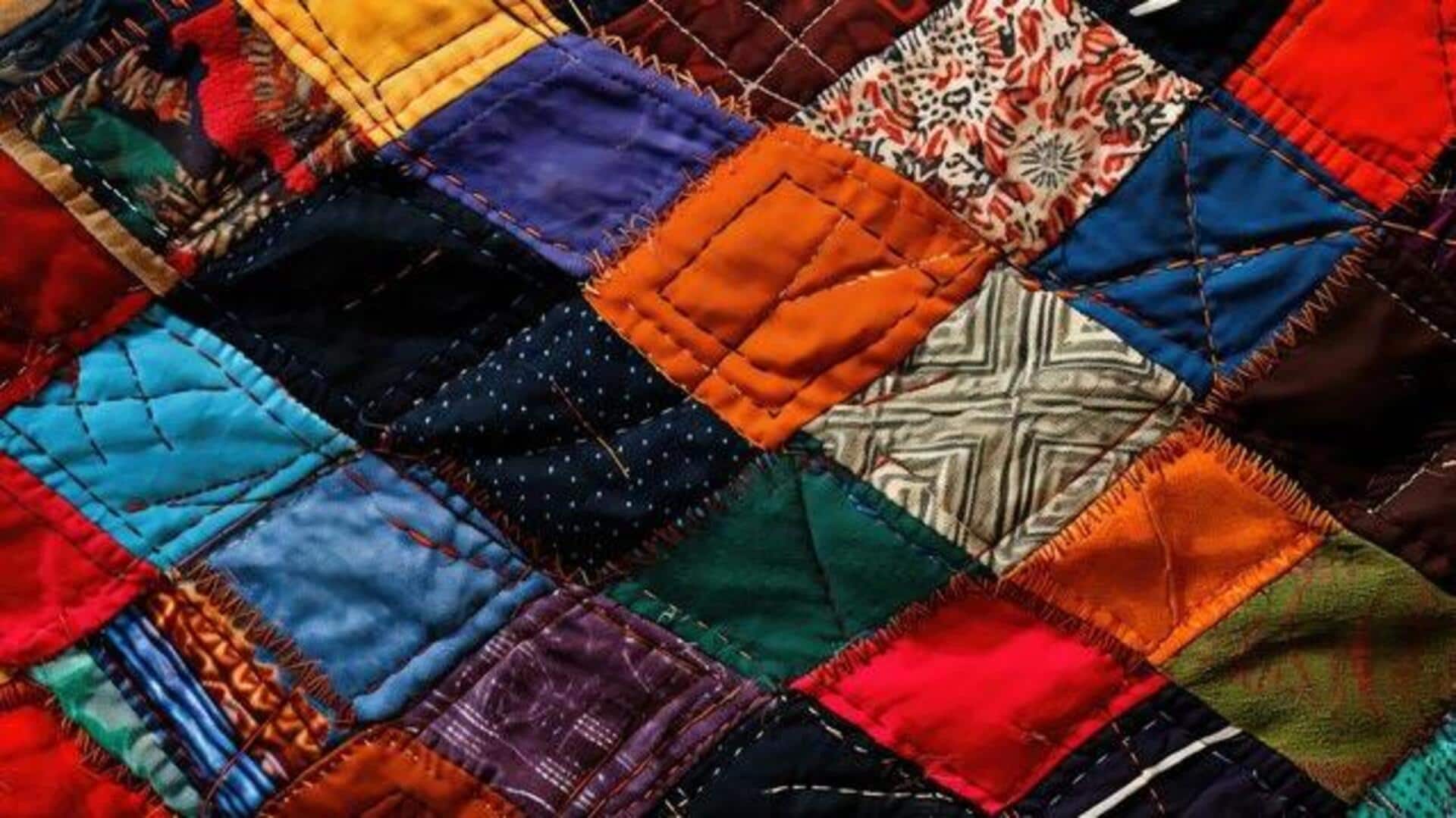
African quilts are being reimagined with bold patterns and vibrant colors, showcasing the continent's rich cultural heritage. These quilts, often handcrafted, blend traditional techniques with modern aesthetics. The result is a unique fusion that appeals to both local and international markets. Artisans are experimenting with new designs and materials, creating pieces that not only serve as functional items but also as works of art.
#1
Traditional techniques meet modern design
Artisans are now blending traditional quilting techniques with modern design elements. This fusion allows them to preserve cultural heritage while appealing to contemporary tastes.
The use of geometric patterns and symmetrical designs is common, reflecting the influence of African art on global fashion trends.
By incorporating these elements, artisans create quilts that resonate with a wider audience.
#2
Vibrant colors dominate the scene
Vibrant colors are a hallmark of reimagined African quilts. Bright hues like red, yellow, and blue dominate the fabric, making every piece a visual treat.
These colors are not just aesthetically pleasing but also hold cultural significance in many African communities. They represent emotions, stories, or historical events, adding layers of meaning to each quilt.
#3
Sustainable materials gain popularity
Sustainability is becoming a key focus in the creation of African quilts. Artisans are increasingly opting for eco-friendly materials like organic cotton or recycled fabrics.
These not only reduce environmental impact but also appeal to the growing number of consumers who value sustainability in their purchases.
The use of sustainable materials also supports local economies by promoting resource-efficient practices.
#4
Market expansion through online platforms
The expansion of online platforms has opened up new markets for African quilts. Artisans can now reach customers across the globe without geographical limitations.
Social media plays a crucial role in showcasing these creations and connecting buyers directly with makers.
This digital shift has significantly increased sales opportunities for many artisans, who previously relied on local markets alone.