
All about African stone inlay
What's the story
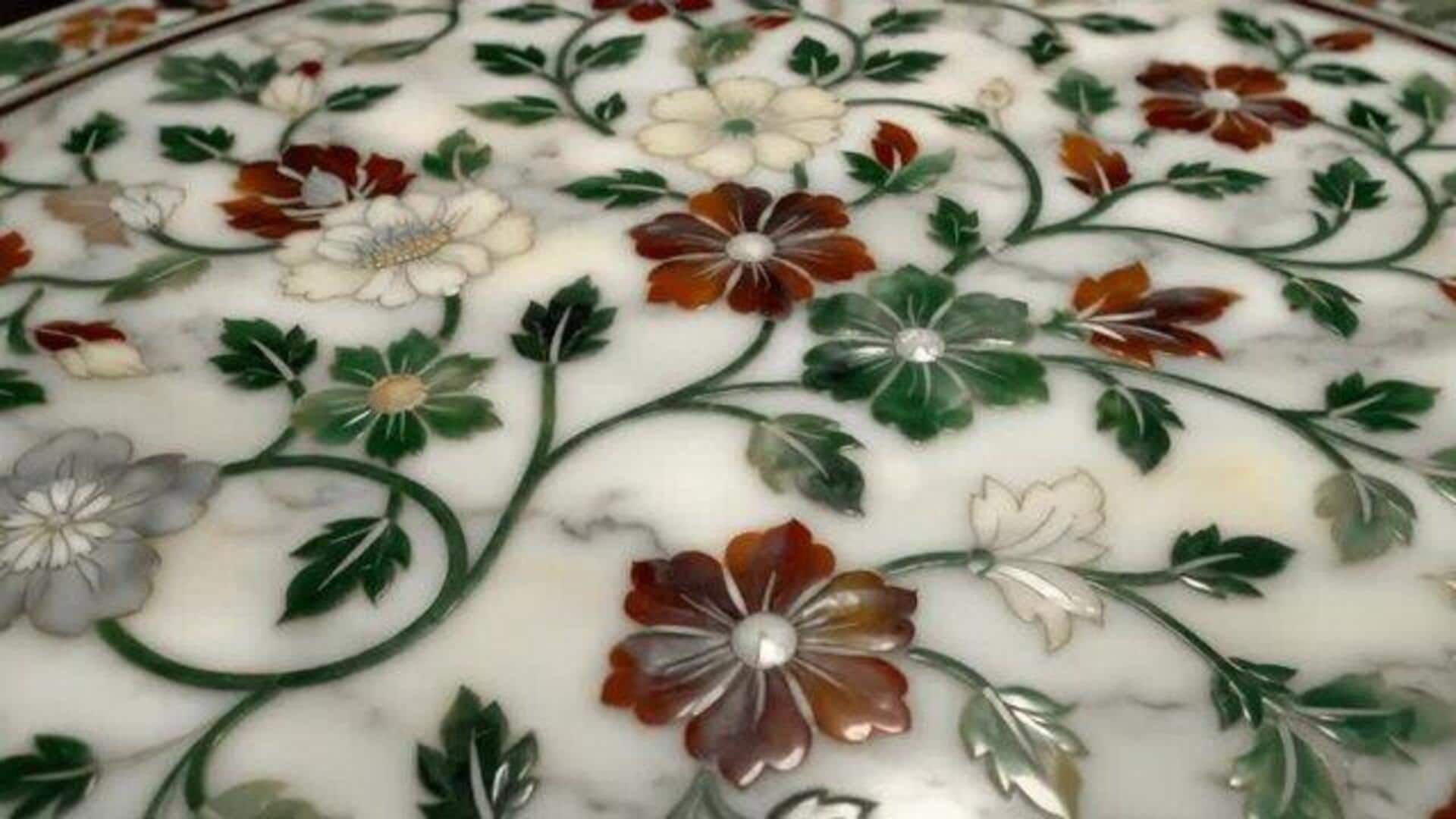
African stone inlay is a traditional craft that has been practiced for centuries, showcasing the continent's rich artistic heritage. This technique involves embedding stones into surfaces to create intricate designs and patterns. While the craft has deep historical roots, modern interpretations are breathing new life into this age-old art form. By blending traditional methods with contemporary designs, artisans are redefining African stone inlay for today's world.
#1
Blending tradition with modernity
Artisans are now combining traditional African motifs with modern design elements. This fusion results in unique pieces that appeal to a wider audience. By incorporating geometric patterns and abstract forms, they make the ancient craft relevant to contemporary tastes. In this way, they preserve cultural significance while appealing to modern aesthetics.
#2
Sustainable practices in stone inlay
Sustainability has become a key focus in the world of African stone inlay. Artisans are now using locally sourced materials and eco-friendly techniques to minimize environmental impact. Not only does this practice support local economies, but it also ensures that the craft can be passed on to future generations. By adopting sustainable methods, artisans are ensuring that their work remains both culturally and environmentally significant.
#3
Technological advancements in craftsmanship
Technology has also made its way into the world of African stone inlay, making it easier for artisans to create detailed designs with precision. The use of tools like laser cutters and digital design software has made the process more efficient without compromising on quality or authenticity. These advancements allow artisans to experiment with new techniques while maintaining traditional craftsmanship standards.
#4
Economic impact on local communities
The revival of African stone inlay has also had a positive economic impact on local communities where the craft is practiced. By creating jobs and generating income through sales at local markets and international exhibitions, artisans are contributing to community development initiatives. This economic boost helps preserve cultural heritage by supporting educational programs related to traditional arts and crafts.