Why yam beans are perfect for plant-based diets
What's the story
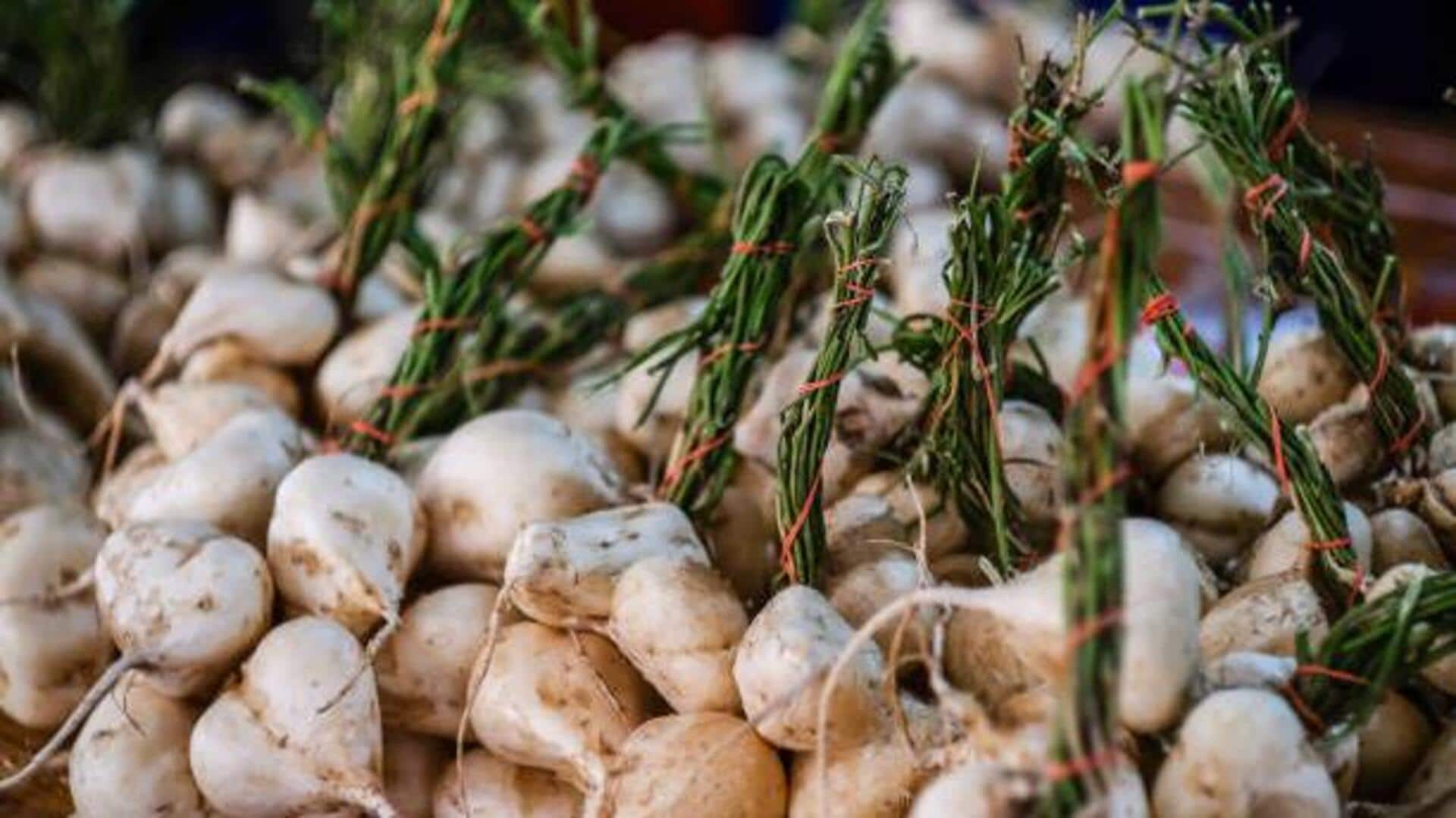
African yam beans, a staple in many African diets, are gaining attention for their nutritional benefits. These beans are rich in protein and fiber, making them an excellent addition to plant-based diets. They also contain essential vitamins and minerals that support overall health. As more people look for sustainable food sources, African yam beans offer a promising option that is both nutritious and versatile.
#1
Nutritional profile of African yam beans
African yam beans are packed with nutrients, including proteins, fibers, vitamins (like B-complex), and minerals (like iron and calcium). They deliver a complete protein profile, as they contain all essential amino acids. The high fiber content aids digestion and helps maintain healthy cholesterol levels. Iron content is important for preventing anemia, while calcium supports bone health.
#2
Health benefits of consuming them
Regularly eating African yam beans can improve your health in many ways. Their antioxidant properties can help reduce inflammation in the body. The dietary fiber can help regulate blood sugar levels by slowing down the absorption of glucose. Eating these beans may also help with weight management by keeping you full for longer.
#3
Culinary uses and preparation tips
African yam beans can be prepared in several ways to suit different tastes and cuisines. They can be boiled or steamed, and added to soups, stews, or salads for added texture and nutrition. Roasting them enhances their flavor profile, making them a delicious snack option. Soaking the beans overnight before cooking can reduce cooking time significantly.
Tip 1
Sustainable farming practices
Growing African yam beans contributes to sustainable agriculture, as they require less water than other crops, such as rice or wheat. They also improve soil fertility through nitrogen fixation, which helps reduce the need for chemical fertilizers over time. Farmers can benefit economically from cultivating these resilient crops, which adapt well to various climatic conditions across Africa.