Iran war burns through US's critical missile stockpiles
What's the story
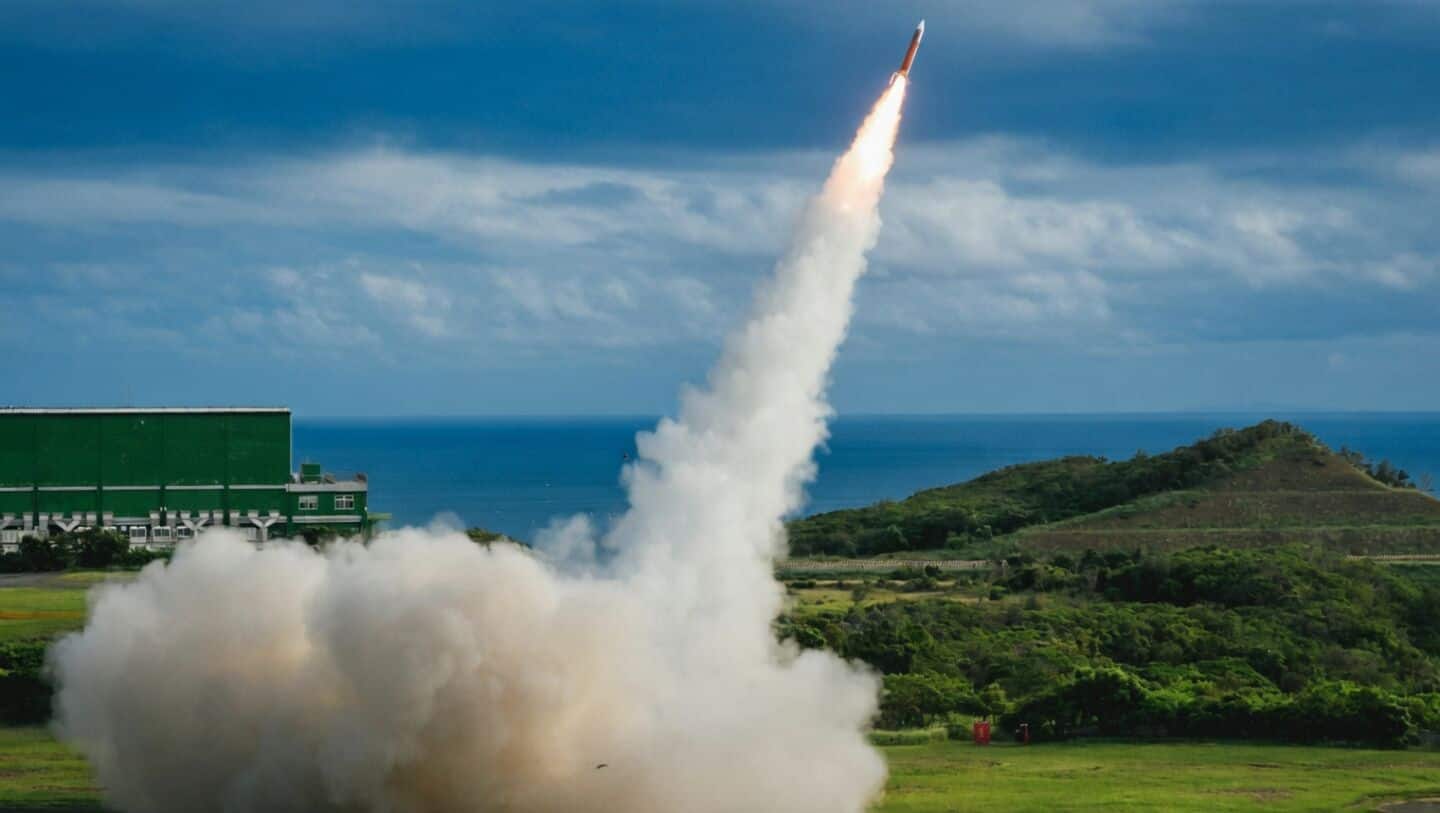
The United States may have used up nearly half of its Patriot missile interceptors in the ongoing conflict with Iran, according to a new analysis. The revelation comes from a report by the Center for Strategic and International Studies (CSIS). The analysis indicates that US forces have used large quantities of key munitions during the 39-day war, including over 850 Tomahawk cruise missiles and more than 1,000 Joint Air-to-Surface Standoff Missiles (JASSMs).
Stockpile depletion
Heavy use of high-end systems
The US has also used between 1,060 and 1,430 Patriot interceptors, which is over half of its prewar inventory.
The exact figures are classified but estimated from Pentagon budget documents and historical procurement data.
Other high-end systems such as Terminal High Altitude Area Defense interceptors and SM-3 interceptors have also been heavily used in the conflict.
Weapons
Expensive defense interceptors, missiles used
Between 190 and 290 Terminal High Altitude Area Defense interceptors, which cost around $15.5 million each, and between 130 and 250 SM-3 interceptors, are believed to have been used.
SM-3 interceptors are among the most expensive in the arsenal, costing about $28.7 million each.
The Navy's SM-6 missile, which costs around $5.3 million per unit, was also heavily used, with estimates ranging from 190 to 370 fired.
Stockpile expansion
Rebuilding inventories will take years
Even before the Iran war, the United States' stockpiles of crucial precision weapons were deemed insufficient for a large-scale conflict with a peer adversary like China.
Analysts warn that rebuilding these inventories will take years and could affect future conflicts with peer adversaries.
The Pentagon's latest budget request seeks around $70 billion for munitions in fiscal year 2027 to replenish stockpiles strained by recent conflicts.
Delivery delays
Strain on US munitions stockpiles affecting European allies
The strain on US munitions stockpiles is already affecting allies in Europe.
Estonia and Lithuania have been informed about shifting delivery timelines for US military equipment, with some shipments being put on hold due to supply constraints.
A European defense official told Fox News Digital that such delays could lead allies to reconsider future purchases of US weapons if delivery timelines become unreliable.
Production increase
Defense contractors ramping up production
The Trump administration has pushed for a rapid expansion of production for key munitions, with defense contractors planning major increases in output.
Lockheed Martin aims to boost Patriot interceptor production from around 600 per year to about 2,000 by the end of the decade.
RTX plans to increase Tomahawk production to over 1,000 missiles per year.
But all those increases will take time.