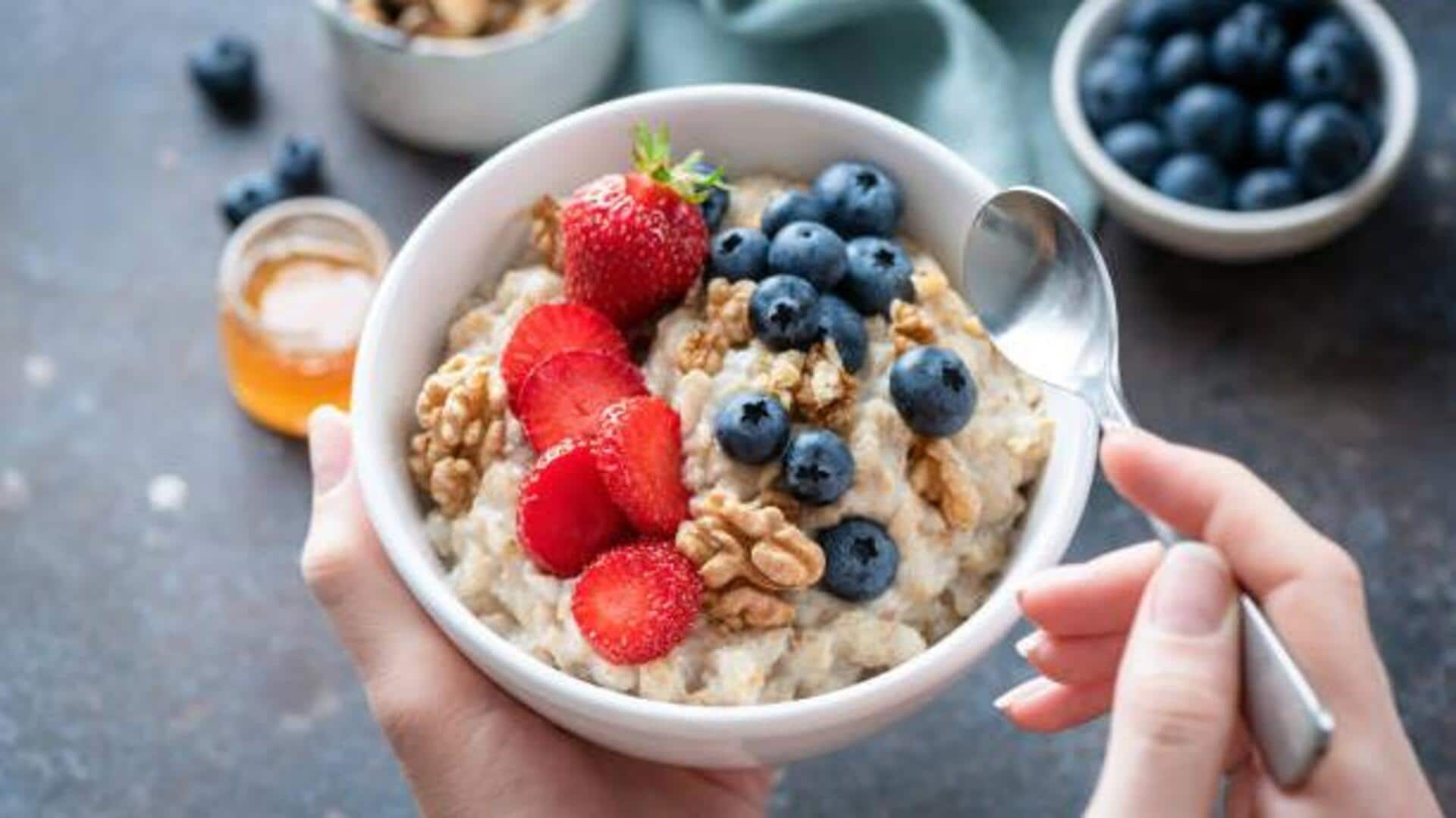
5 breakfast myths you should stop believing
What's the story
Breakfast is often touted as the most important meal of the day, but many misconceptions surround its nutritional value. These myths can lead to confusion about what constitutes a healthy start to the day. By understanding the facts behind these myths, individuals can make informed choices that align with their dietary needs and preferences. Here are some insights into common breakfast nutrition myths, and the truths that debunk them.
Metabolism myth
Myth: Skipping breakfast slows metabolism
One common belief is that skipping breakfast slows down metabolism significantly. However, studies indicate that the effect is minimal for most people.
Metabolism is primarily influenced by overall daily activity levels and body composition, rather than the timing of meals.
While breakfast can be beneficial for some in managing hunger throughout the day, it isn't a metabolic necessity for everyone.
Carb misconception
Myth: Carbs in breakfast are always bad
Carbohydrates are often demonized, but they are an essential part of a balanced diet.
The trick is to choose whole grains over refined ones.
Whole grains provide fiber and nutrients that support digestion and energy levels throughout the morning.
Not all carbs are created equal, and choosing complex carbs can be a healthy part of any breakfast.
Protein overemphasis
Myth: High protein breakfasts are best
While protein is important for muscle repair and growth, a high-protein breakfast isn't necessary for everyone.
Depending on individual health goals and activity levels, a balanced meal with moderate protein, along with fruits, vegetables, or whole grains, may suffice.
Overemphasizing protein can lead to neglecting other important nutrients found in plant-based foods.
Fat fallacy
Myth: All fats in breakfast should be avoided
The misconception that all fats should be avoided at breakfast ignores the benefits of healthy fats from sources like nuts or avocados.
These foods provide essential fatty acids that promote heart health and brain function when consumed in moderation as part of a balanced diet plan tailored to personal needs.