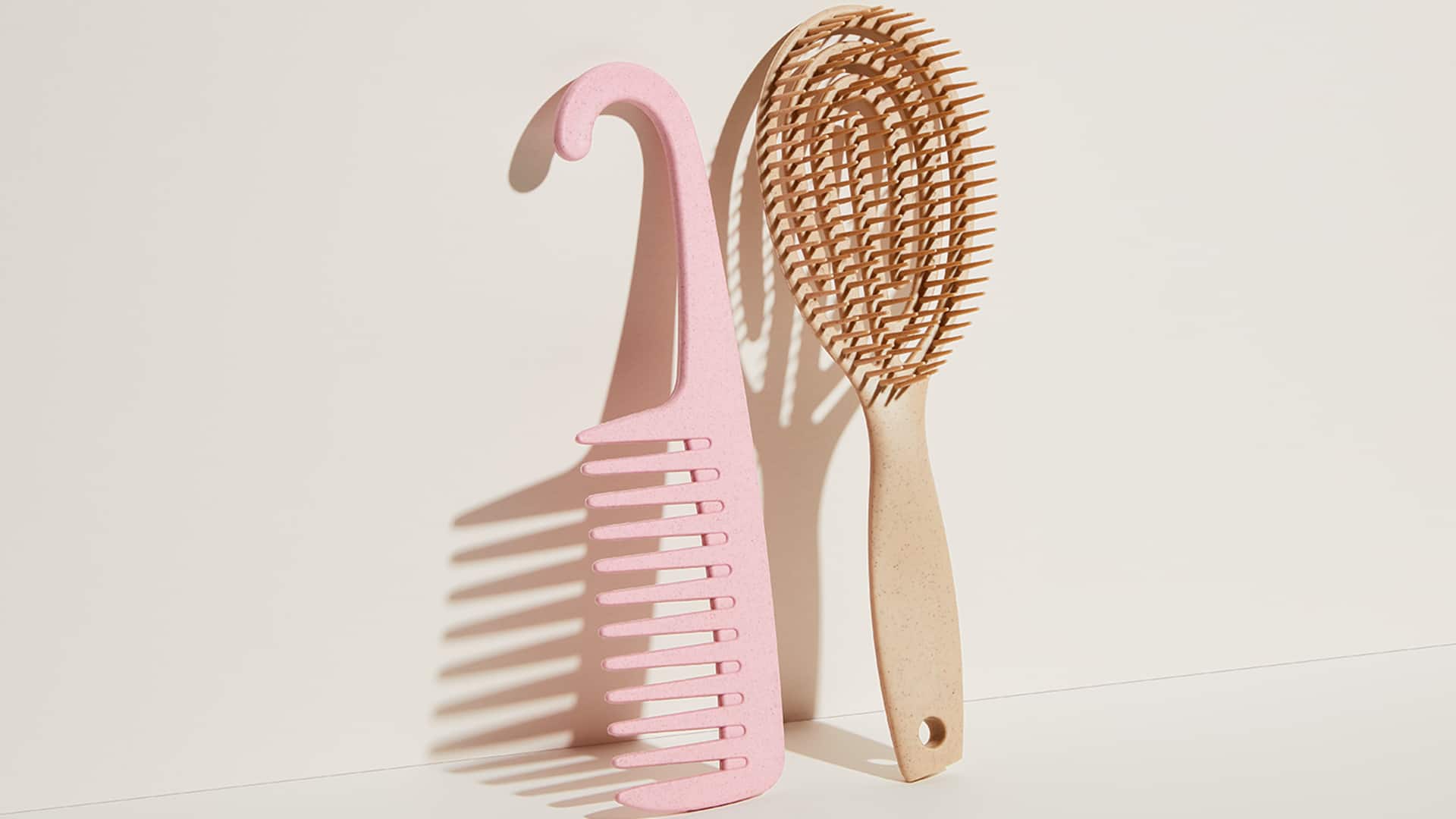
Combs or brushes: Which to choose, and when
What's the story
Choosing between a comb and a brush can be tricky, especially when it comes to styling African hair. Both tools have their own advantages and are suited for different hair types and styles. Knowing the difference can help you make informed choices for your hair care routine. Here are five scenarios where you can decide whether to use a comb or a brush for African hair.
Wet detangling
Detangling wet hair
When hair is wet, it is more prone to breakage.
A wide-tooth comb is usually the best choice for detangling wet African hair as it minimizes damage by gently working through knots without pulling too much on the strands.
Brushes can cause more breakage on wet hair due to their closely spaced bristles designed for smoothing rather than detangling.
Curly styling
Styling curly locks
For styling curly African hair, brushes can be your best friend. They help in defining curls by evenly distributing products like gels or creams throughout the hair.
However, it's important to use brushes specifically designed for curly textures as they have softer bristles that don't disrupt the natural curl pattern.
Volume boosting
Volume boosting techniques
If you want to add volume to your African hair, round brushes are ideal when used with blow dryers.
These brushes lift the roots while smoothing out any frizz, giving you a fuller look without losing texture.
Combs, on the other hand, are better suited for precision work like parting sections or teasing roots slightly.
Straight maintenance
Maintaining straight styles
If you have straightened your African hair with heat tools, a paddle brush is ideal for keeping it sleek and polished.
It distributes oils from the scalp evenly along the length of each strand, promoting shine and reducing static electricity.
Combs can also be used here, but mainly for sectioning before styling, instead of maintaining straightness.
Sleep prevention
Preventing breakage during sleep
To prevent breakage during sleep, satin or silk scarves are recommended, along with wide-tooth combs, instead of traditional brushes, which may snag or pull on delicate strands overnight.
This combination ensures that your hair remains protected while you sleep, reducing friction and potential damage.