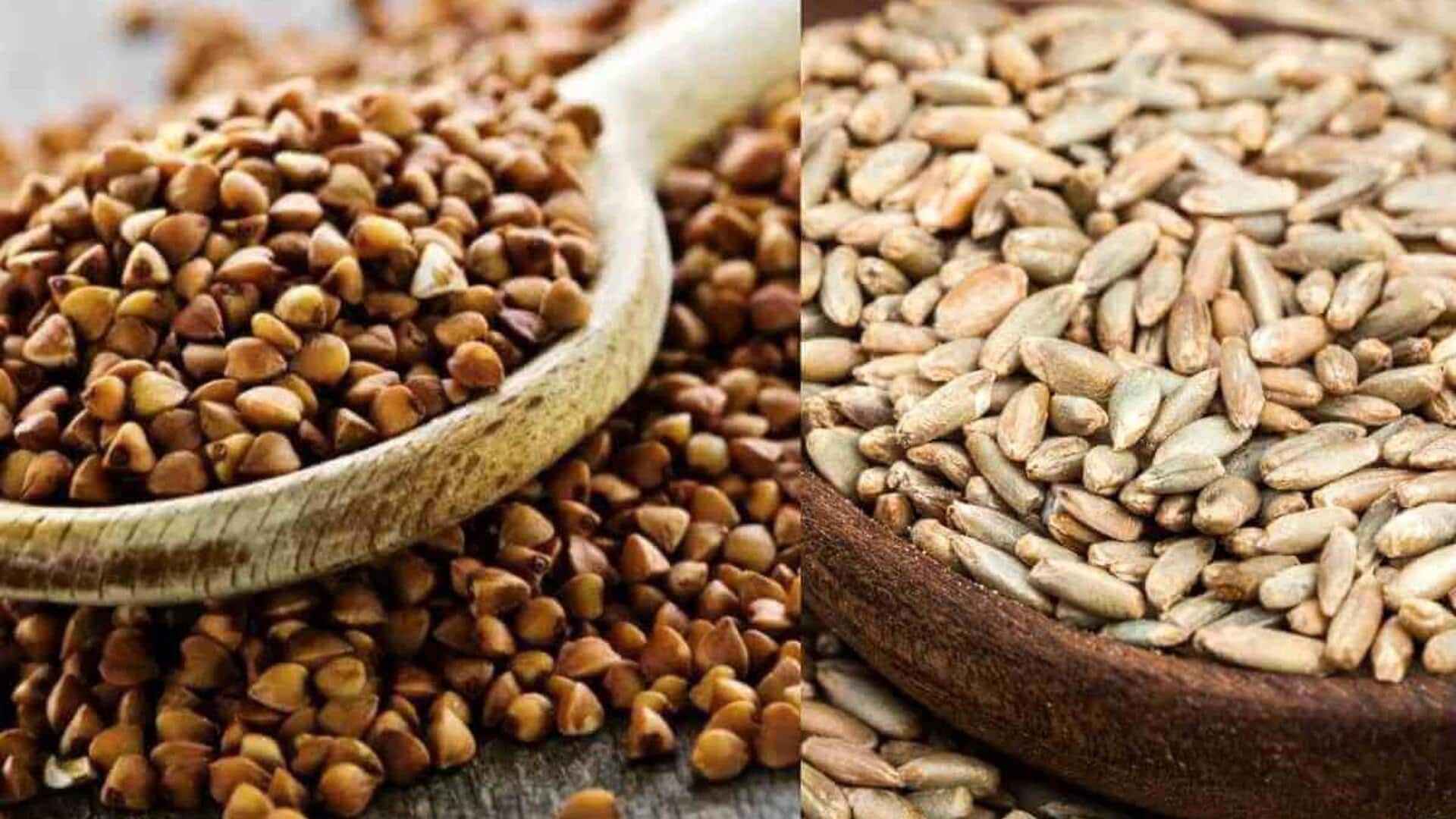
Comparing rye and buckwheat: Which is healthier?
What's the story
Rye and buckwheat are two grains that have been part of human diets for centuries. Both offer unique nutritional benefits, making them popular choices for those looking to maintain a balanced diet. While rye is often lauded for its high fiber content, buckwheat is praised for its protein and essential amino acids. Knowing the nutritional profiles of these grains can help you make informed dietary choices.
#1
Fiber content in rye
Rye is famous for its high fiber content, which is essential for healthy digestion.
The fiber in rye helps regulate bowel movements and can even help with weight management by keeping you full.
A single serving of rye bread can give you up to 10% of the daily recommended fiber intake.
This makes it a great option for anyone looking to up their fiber intake without going overboard on calories.
#2
Protein profile of buckwheat
Buckwheat also has a lot of protein, making it a great choice for vegetarians and vegans looking for plant-based protein sources.
Unlike many other grains, buckwheat has all nine essential amino acids, making it a complete protein source.
One cup of cooked buckwheat gives you about six grams of protein, which is more than some other grains.
#3
Vitamins and minerals in rye
Apart from fiber, rye also provides essential vitamins and minerals like B vitamins (B1, B3, and B6) and magnesium.
These nutrients are important for energy production, brain function, and muscle health.
Including rye in your diet can help you meet your daily requirements for these vital nutrients while enjoying its unique flavor.
#4
Antioxidant properties of buckwheat
Buckwheat is also packed with antioxidants such as rutin that help fight oxidative stress in the body by neutralizing free radicals.
These antioxidants may lower the risk of chronic diseases such as heart disease and diabetes when consumed regularly as part of a balanced diet.
Adding buckwheat to your meals can boost your antioxidant intake naturally.