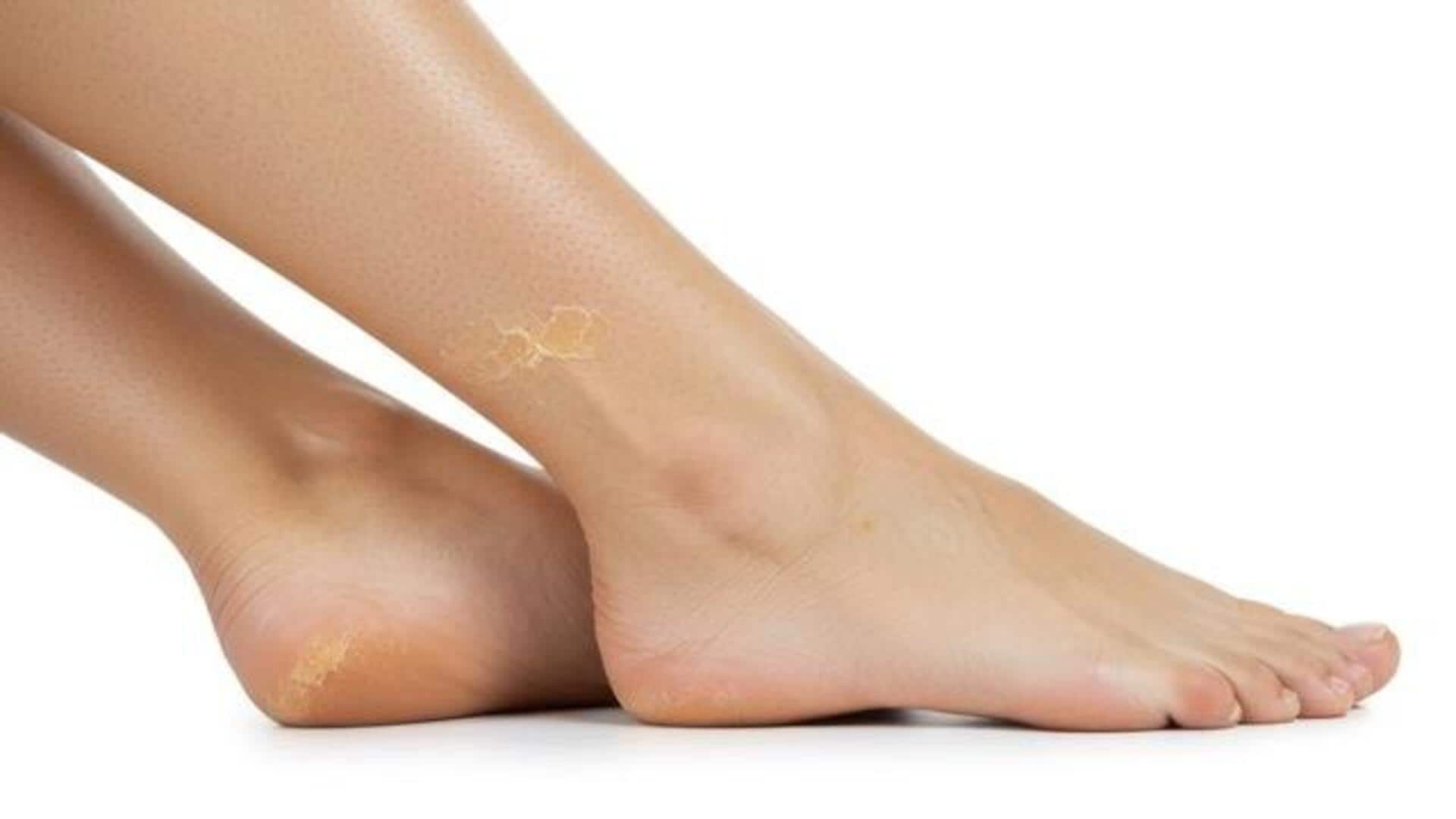
What really causes cracked heels?
What's the story
Cracked heels are a common problem, often attributed to poor hygiene. However, this is just one of the misconceptions surrounding the condition. In reality, several factors can contribute to cracked heels, and understanding these can help in better management and prevention. This article aims to debunk myths about cracked heels by exploring various causes and offering insights into effective care practices.
#1
Myth: Poor hygiene is the only cause
While poor hygiene can contribute to foot problems, it isn't the sole reason for cracked heels. Other factors like dry skin, lack of moisture, and prolonged standing on hard surfaces also play a significant role. Environmental conditions such as low humidity or cold weather can further exacerbate the issue. Recognizing these factors is important for addressing the problem effectively.
#2
Myth: Only elderly people suffer
Cracked heels are often associated with older adults, but they can affect people of all ages. Young people who spend long hours standing or walking barefoot on hard surfaces may also experience this issue. Additionally, those with certain medical conditions like diabetes or psoriasis are at a higher risk, regardless of their age.
#3
Myth: Moisturizers are enough
While moisturizers are important for treating cracked heels, they aren't the only solution. Exfoliation is also important to remove dead skin cells that build up and cause cracks. Using foot scrubs or pumice stones along with moisturizers can give better results by smoothing out rough patches and keeping feet hydrated.
#4
Myth: Cracked heels indicate serious health issues
Though persistent cracked heels can be a sign of an underlying health problem, they are usually a result of environmental factors or lifestyle choices. If the cracks are deep and painful, or if you notice swelling or redness, it's best to consult a healthcare professional. However, in most cases, simple changes in foot care routines can do wonders in treating the condition.