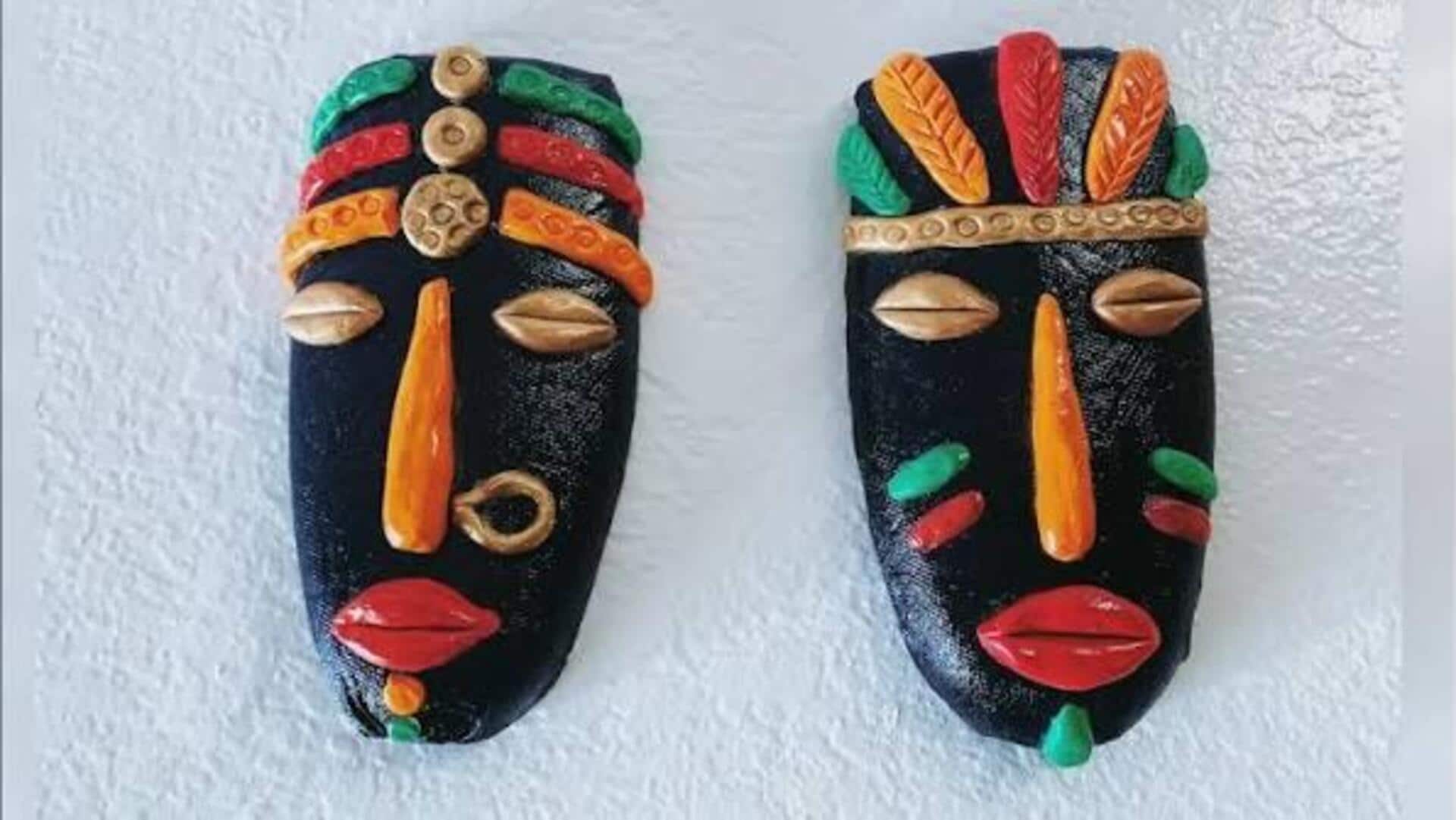
How to create masks using recycled materials
What's the story
African-inspired mask-making is a beautiful art form reflecting the continent's rich cultural heritage. By using recycled materials, you can explore this art sustainably. Not only does this practice promote environmental consciousness, but it also encourages creativity and innovation. By repurposing items like plastic bottles, old newspapers, and scrap metal, artists can create unique masks that pay homage to traditional designs while embracing modern techniques.
Tip 1
Choosing the right materials
Selecting appropriate recycled materials is critical for creating durable and visually appealing masks. Plastic bottles can be molded into various shapes, newspapers can be used for papier-mache techniques, and scrap metal can be welded or soldered into intricate designs. Each material offers unique properties that can enhance the mask's aesthetic appeal and structural integrity.
Tip 2
Techniques for mask creation
Traditional African mask-making techniques often involve carving wood or molding clay. However, with recycled materials, artists can use methods like papier-mache or metalworking to achieve similar effects. For example, layering strips of paper soaked in glue over a base shape creates a sturdy surface for painting and decorating. Alternatively, bending and welding scrap metal allows for creating bold textures and forms.
Tip 3
Incorporating cultural elements
To ensure the masks reflect authentic African artistry, it is important to incorporate cultural elements into the design process. This could mean studying traditional patterns, symbols, or facial features commonly seen in African masks. By understanding these cultural aspects, artists can create pieces that not only look good but also pay homage to the rich history of African art.
Tip 4
Promoting sustainability through art
By promoting sustainability through recycled mask-making, artists can contribute to global environmental efforts. This practice reduces waste by transforming discarded items into valuable art pieces, while raising awareness about the importance of recycling. Workshops or community projects focused on this art form can inspire others to adopt sustainable practices in their creative endeavors.