Cross-country gliding: An adventure you can't miss
What's the story
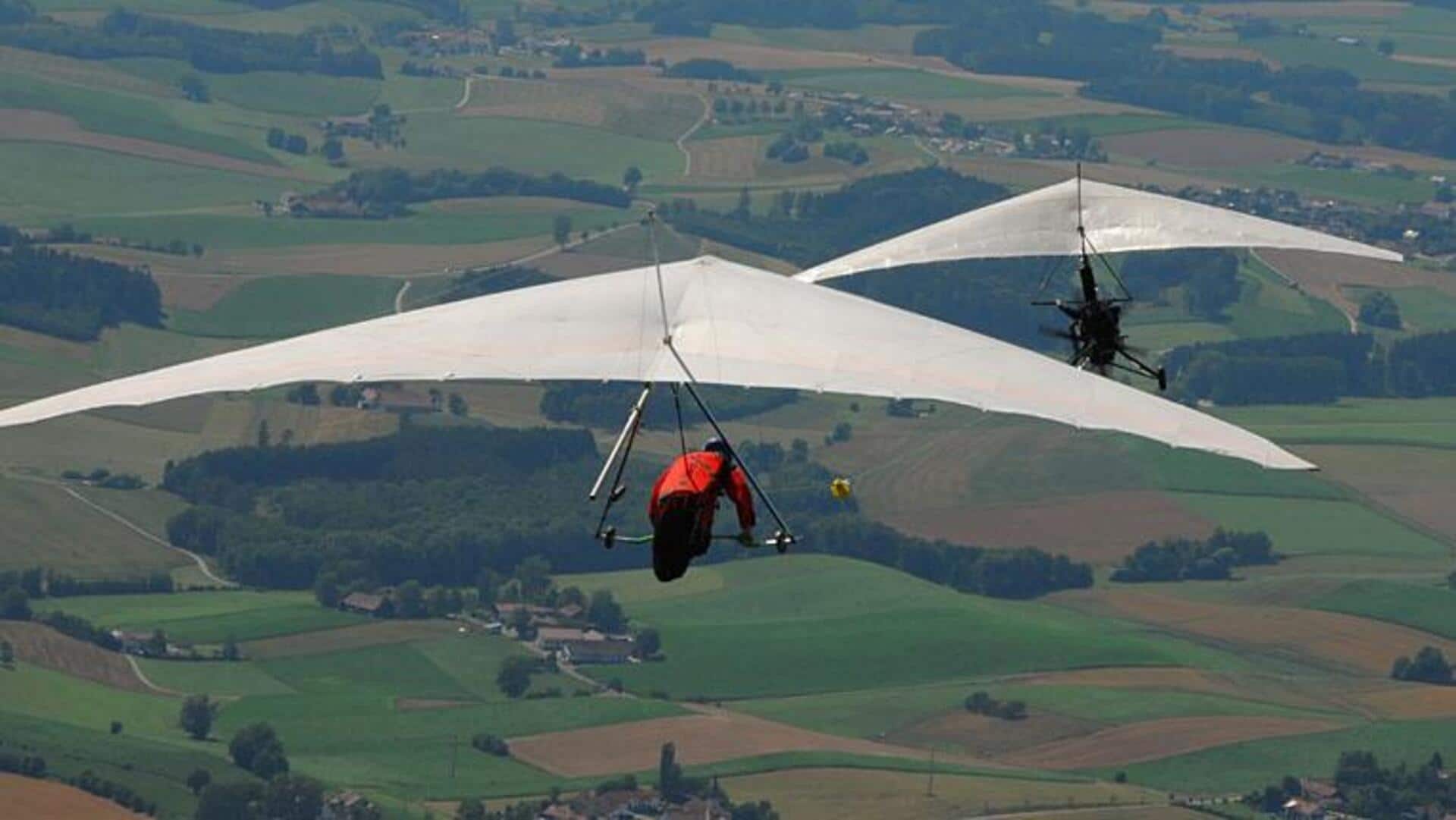
Cross-country gliding in Africa is an exhilarating way to explore the continent's stunning landscapes. This activity gives you the chance to soar over vast plains, majestic mountains, and unique ecosystems. With favorable weather conditions and diverse terrains, Africa makes an ideal destination for gliding enthusiasts. Whether you're a seasoned pilot or a curious traveler, cross-country gliding offers an unmatched perspective of Africa's natural beauty.
#1
Discovering South Africa's skies
South Africa is home to some of the best cross-country gliding spots.
The country has a number of soaring clubs that give you the chance to fly over the scenic routes.
The Karoo Desert and Drakensberg Mountains are particularly famous for their clear skies and strong thermals.
These regions provide ideal conditions for long-distance flights, making them a favorite among gliders from all over the world.
#2
Namibia's vast horizons
Namibia's expansive landscapes make it a dream destination for cross-country gliders.
The Namib Desert offers endless stretches of land with minimal obstructions, allowing pilots to cover long distances with ease.
Windhoek serves as a central hub for many gliders, offering access to various routes that showcase Namibia's diverse terrain, from sand dunes to rugged mountains.
#3
Kenya's unique flying experience
Kenya offers a unique cross-country gliding experience with its varied ecosystems and wildlife-rich areas.
Pilots can glide over savannas dotted with herds of elephants or fly above the Great Rift Valley's dramatic topography.
The weather conditions are usually favorable throughout the year, making it possible to plan flights at different times depending on your preference.
Tip 1
Tips for safe gliding adventures
Safety should always be your priority while going for cross-country gliding in Africa.
Make sure you have all necessary equipment, including parachutes and communication devices, before you take off.
Further, familiarize yourself with local regulations and airspace restrictions by consulting local clubs or experienced pilots.
Regularly check weather forecasts to ensure optimal flying conditions on your planned route.