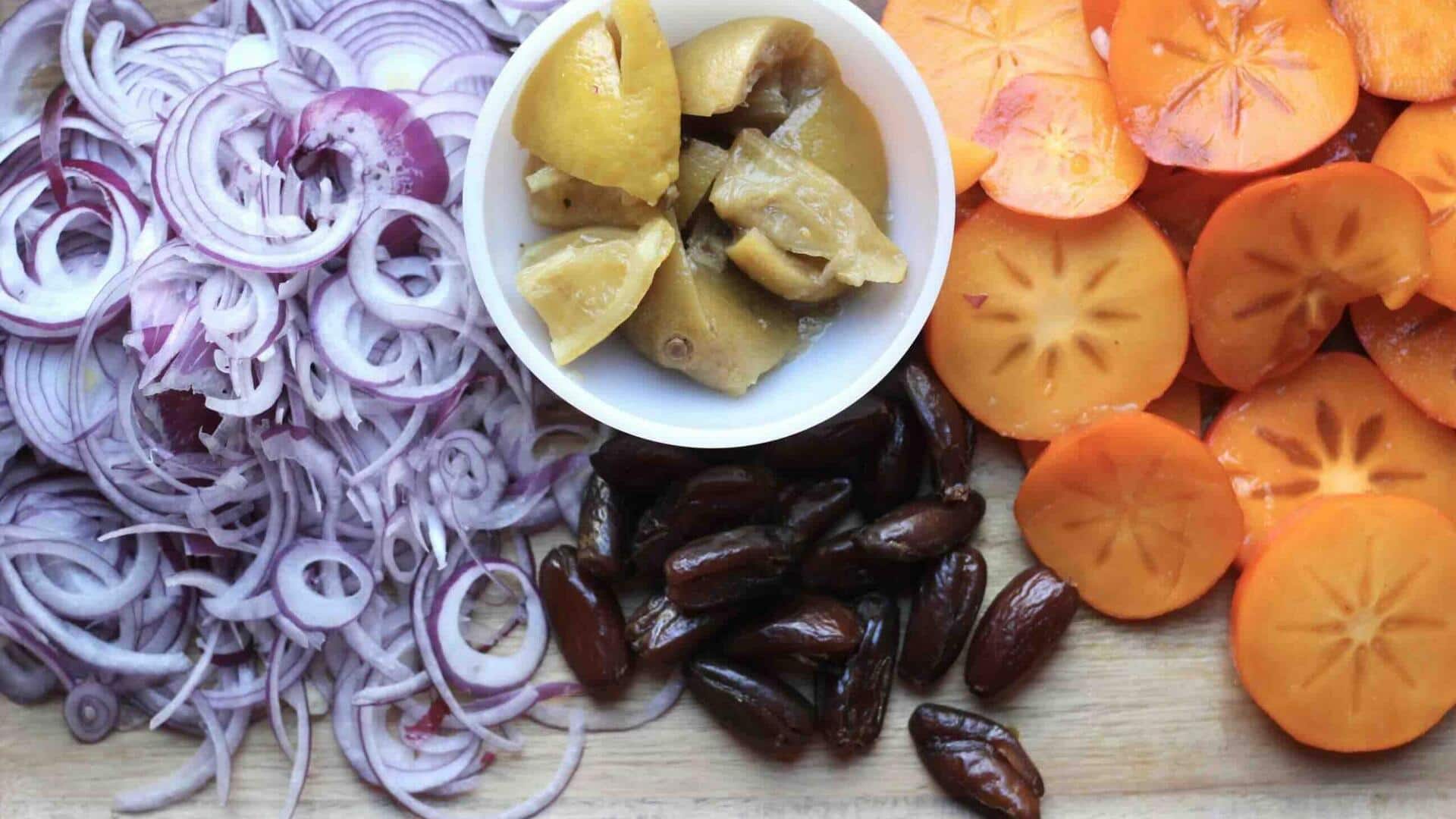
Why you must add dates and persimmons to your diet
What's the story
Dates and persimmons are two popular fruits, both of which offer unique nutritional benefits. While dates are known for their sweetness and chewy texture, persimmons are famous for their vibrant color and smooth skin. Both fruits are packed with essential nutrients, making them a great addition to a balanced diet. Let's take a look at the nutritional profiles of dates and persimmons, and what makes each of them special.
#1
Fiber content in dates
Dates are also a great source of dietary fiber, which is essential for maintaining digestive health.
A serving of dates can provide up to 7 grams of fiber, which is nearly 28% of the daily recommended intake for adults.
This high fiber content helps promote regular bowel movements and prevent constipation.
It also aids in maintaining healthy cholesterol levels by binding to cholesterol in the digestive system.
#2
Vitamins in persimmons
Persimmons are loaded with vitamins, especially vitamin C and vitamin A.
A single persimmon can give you around 80% of your daily vitamin C requirement and about 55% of your daily vitamin A requirement.
These vitamins are important for boosting the immune system, maintaining healthy skin, and improving vision.
Eating persimmons regularly can help you meet your daily vitamin needs without having to rely solely on supplements.
#3
Natural sugars in dates
Dates are naturally sweet fruits that contain high amounts of natural sugars like fructose and glucose.
These sugars provide a quick energy boost, making dates an excellent choice for an energy snack before or after workouts.
Despite their sweetness, dates have a low glycemic index compared to refined sugars, which means they do not cause rapid spikes in blood sugar levels when consumed in moderation.
#4
Antioxidants in persimmons
Persimmons are also rich in antioxidants, such as flavonoids and tannins, which help fight oxidative stress in the body by neutralizing free radicals.
These antioxidants may reduce the risk of chronic diseases, such as heart disease and certain types of cancer, when consumed as part of an overall healthy diet.
Adding antioxidant-rich foods, like persimmons, can help boost your body's natural defense mechanisms against cellular damage over time.