Does UV sunscreen really protect you?
What's the story
Sunscreen is often touted as the go-to solution for skin protection against harmful UV rays. However, its effectiveness can be a topic of debate. Many believe that simply applying sunscreen guarantees complete protection from sun damage, but this is not entirely true. Understanding how sunscreen works, and its limitations, is crucial for anyone looking to protect their skin effectively. Here are some insights into the realities of sunscreen protection.
#1
Understanding UV rays
Ultraviolet (UV) rays from the sun are classified into two types: UVA and UVB.
While UVA rays penetrate deep into the skin and cause premature aging, UVB rays are responsible for causing sunburns.
A good sunscreen should protect against both types of rays. However, not all sunscreens offer broad-spectrum protection, which is essential for comprehensive skin defense.
#2
SPF isn't everything
Sun Protection Factor (SPF) indicates how well a product can protect your skin from UVB rays.
However, SPF only tells half the story.
A high SPF number does not mean you are much safer; an SPF 30 blocks about 97% of UVB rays, while SPF 50 blocks about 98%.
It is more important to apply enough product and reapply it regularly than to rely solely on a high SPF.
#3
Application matters
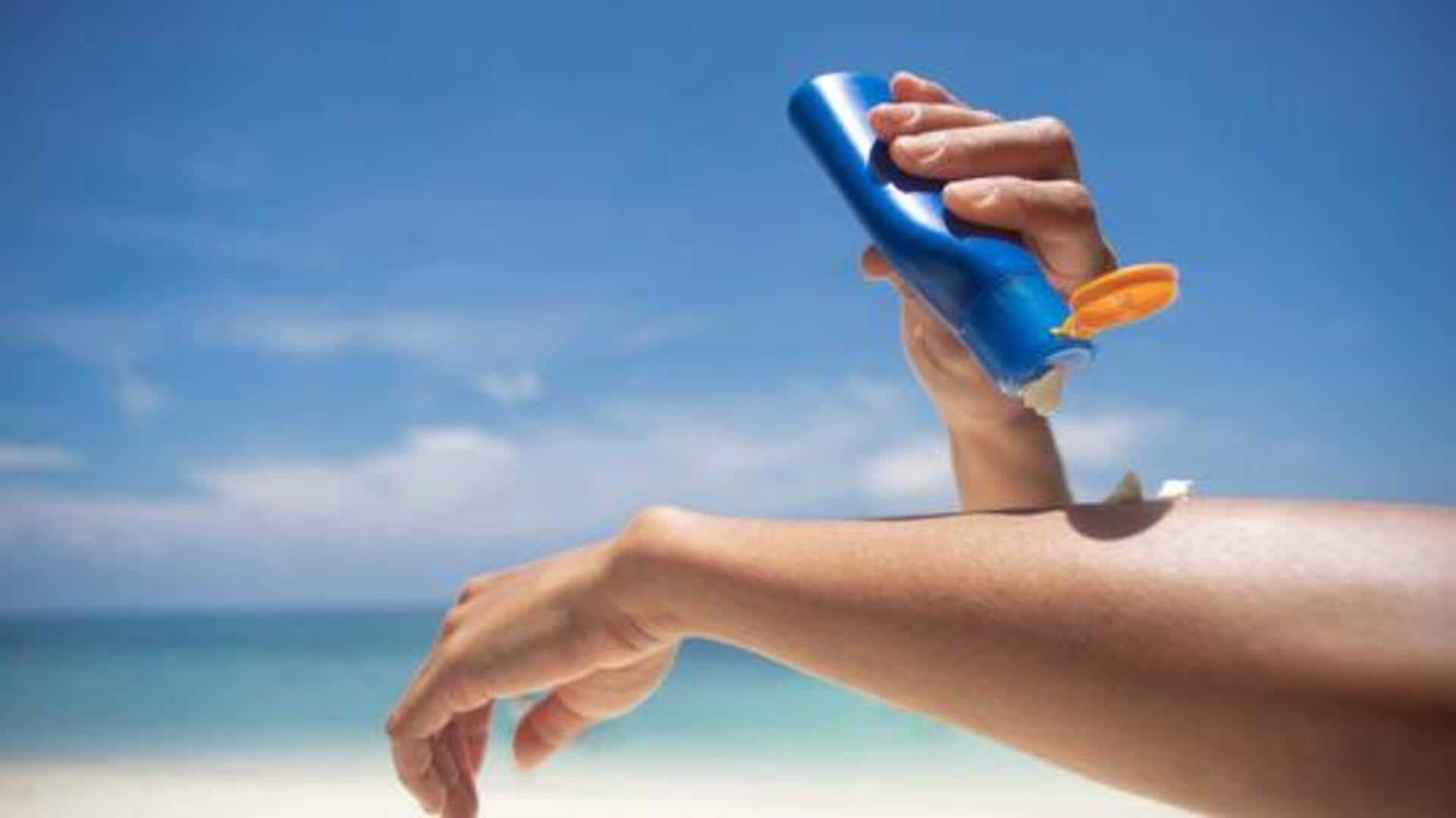
The way you apply sunscreen matters a lot to how effective it is.
Most people apply too little, which reduces its effectiveness by a lot.
For best results, use about one ounce (a shot glass full) for full-body coverage, and reapply every two hours or after swimming or sweating.
Tip 1
Beyond sunscreen: Additional tips
While sunscreen is an important part of sun protection, it should not be your only line of defense.
Wear protective clothing, hats, and sunglasses to shield yourself from direct sunlight.
Seek shade during peak sun hours (10 a.m. to 4 p.m.) when UV radiation is strongest.
These additional measures can further reduce your risk of sun damage.