Does visible earwax mean poor hygiene?
What's the story
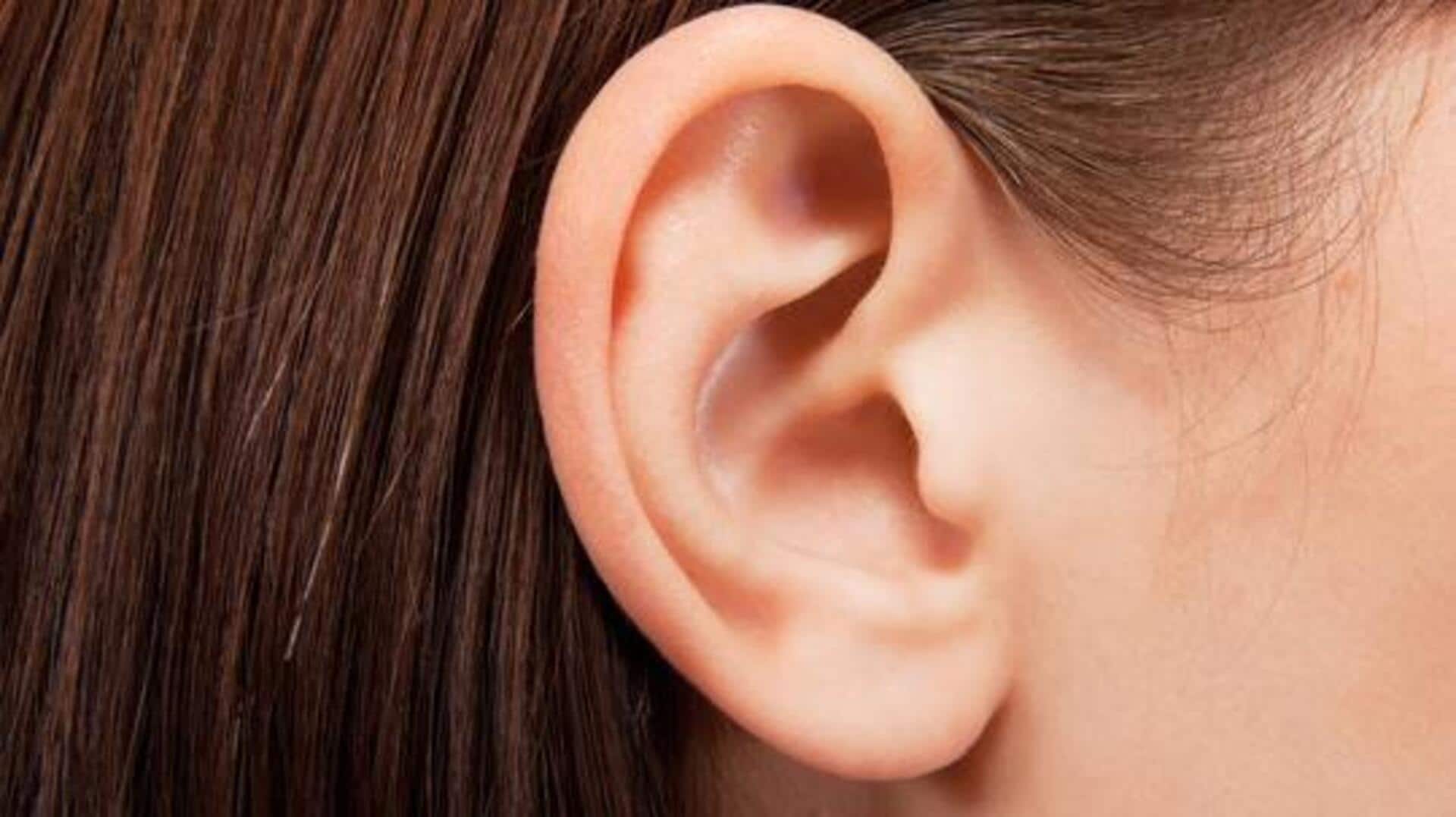
Visible earwax doesn't necessarily mean poor hygiene. Earwax, or cerumen, is a natural substance produced by glands in the ear canal to protect and lubricate the ears. Its visibility can be influenced by various factors, including genetics and environment, rather than a lack of cleanliness. Understanding these factors can help differentiate between normal earwax production and potential hygiene issues.
Natural process
Understanding earwax production
Earwax is produced by glands in the outer part of the ear canal. It serves as a protective barrier against dust, dirt, and microorganisms.
The amount of earwax produced varies from person to person and can be influenced by genetic factors.
Some people naturally produce more or less earwax than others, making it visible without indicating poor hygiene.
Genetic influence
Factors influencing visibility
Genetics also play a major role in how much earwax you produce and how it looks.
Some people have dry, flaky earwax, while others have wet, sticky earwax.
Both are normal variations and don't indicate bad hygiene practices.
Knowing your genetic predisposition can help you understand your own earwax production better.
External factors
Environmental impacts on earwax
Environmental elements such as humidity and pollution can also affect earwax visibility.
For instance, living in a dry climate may lead to drier skin and drier earwax, while high pollution levels may cause more debris accumulation in the ears.
These external factors don't reflect personal cleanliness but rather environmental conditions.
Hygiene tips
Proper ear care practices
To maintain proper ear hygiene without over-cleaning, avoid inserting objects into the ears like cotton swabs, which can push wax further inside or cause injury.
Instead, gently clean the outer ear with a damp cloth if necessary.
If you have concerns about excessive wax buildup or discomfort, consult a healthcare professional for appropriate advice or treatment options.