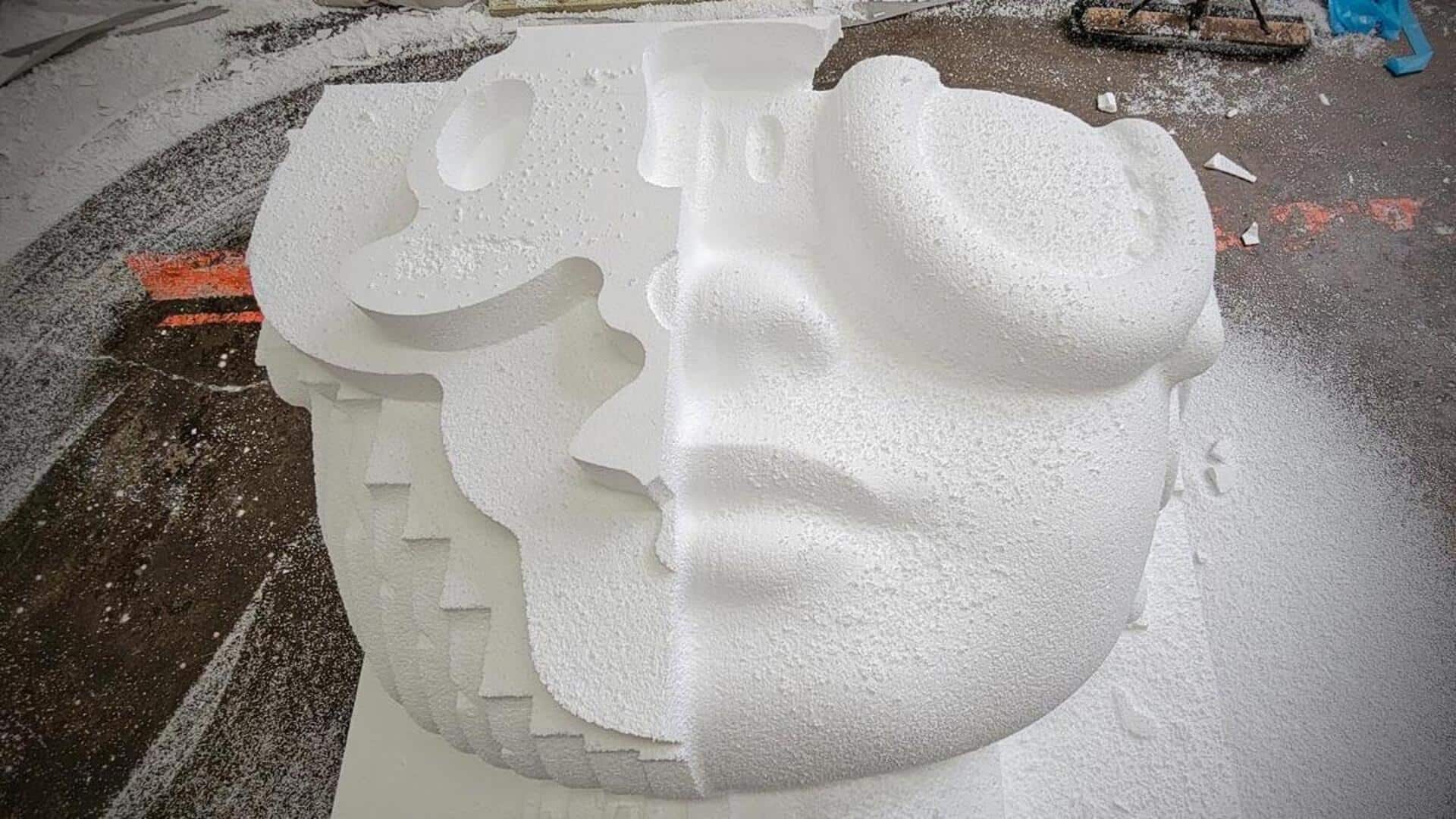
Foam carving: A traditional Zimbabwean art form
What's the story
Foam carving is a traditional Zimbabwean art form that has been practiced for generations. The technique involves shaping foam into intricate designs and sculptures, showcasing the rich cultural heritage of the region. This art form is not only a means of creative expression but also a way to preserve and promote Zimbabwean culture. By learning foam carving, one can gain insight into traditional craftsmanship and artistic techniques passed down through the ages.
#1
Understanding the basics of foam carving
Foam carving is done by using simple tools to carve out shapes from blocks of foam.
The process requires patience and precision, as the artist carefully crafts each detail.
The basic tools include knives, chisels, and sandpaper to smoothen the surfaces.
Understanding how to use these tools effectively is key to creating detailed sculptures that reflect traditional Zimbabwean designs.
#2
Cultural significance of foam carving
Foam carving holds immense cultural significance in Zimbabwe, as it is a reflection of the country's rich history and traditions.
The sculptures often depict themes from daily life, folklore, or spiritual beliefs.
By learning this art form, one can appreciate the cultural narratives that are woven into each piece. It also helps in preserving these traditions for future generations.
#3
Techniques for creating intricate designs
Creating intricate designs in foam carving requires mastering certain techniques.
Artists often start by sketching their designs on paper before transferring them onto the foam block.
Layering techniques are commonly used to add depth and texture to the sculptures.
Additionally, practicing different carving styles helps artists develop their unique artistic voice while staying true to traditional forms.
Tip 1
Tips for aspiring foam carvers
For those looking to get into foam carving, start with simple projects before moving on to more complex ones.
Invest in quality tools as they make a world of difference in precision and ease of use.
Regular practice is the key to sharpening your skills over time.
Joining workshops or connecting with experienced carvers can give you valuable insights into improving your craft further.