All about Ghanaian basket weaving
What's the story
Ghanaian basket weaving is a centuries-old craft that has been passed down generations. The art form is not just a means of livelihood, but also a cultural expression. Over the years, contemporary styles have emerged, blending traditional techniques with modern aesthetics. This evolution has made the craft relevant in today's market while preserving its rich heritage. Here are some insights into the dynamic world of Ghanaian basket weaving.
#1
Traditional techniques meet modern design
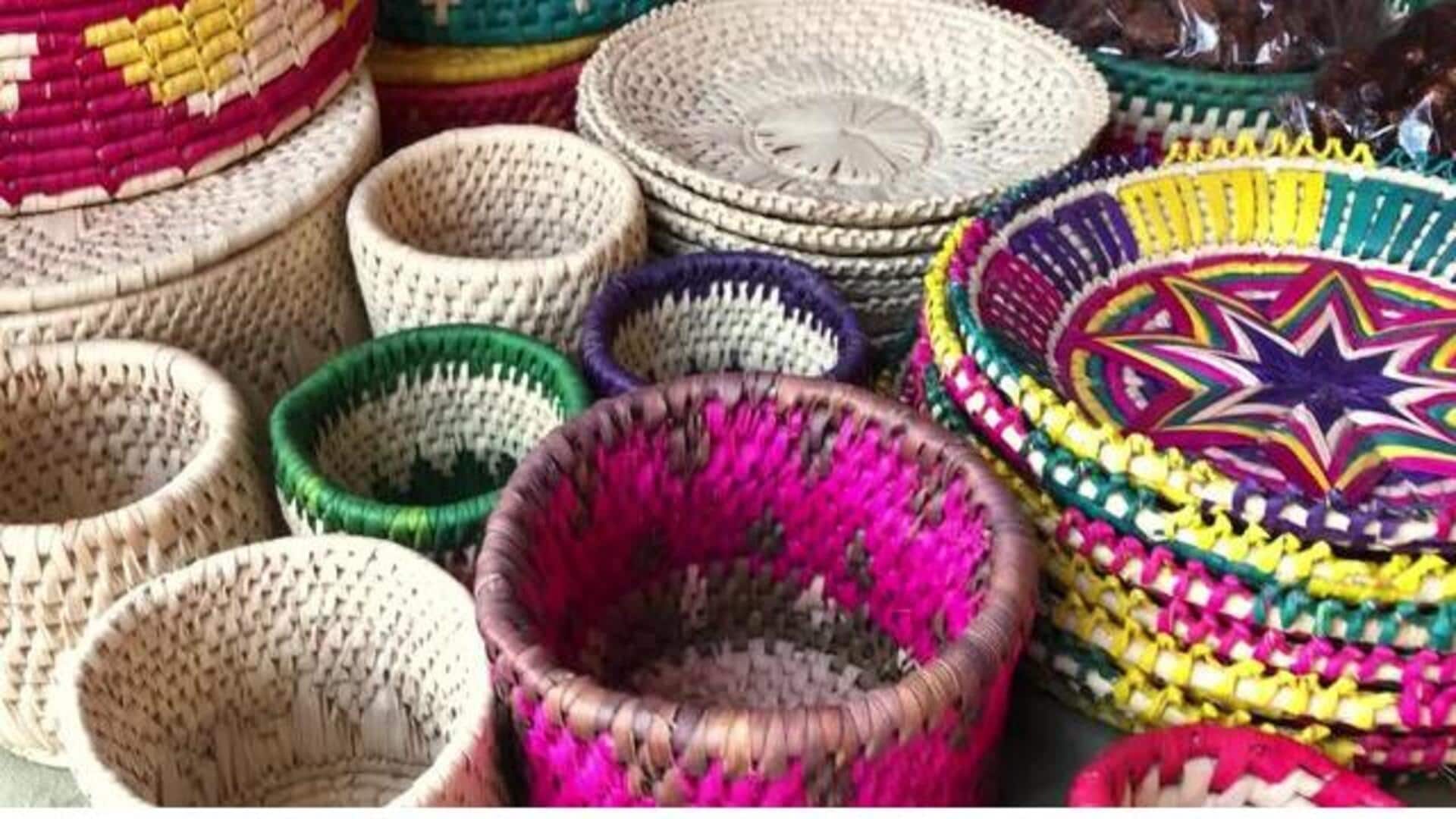
Traditional Ghanaian basket weaving employs natural materials such as palm fronds and grasses. These are woven into intricate patterns that tell stories or represent specific communities. In modern designs, these techniques are combined with vibrant colors and geometric shapes to appeal to a broader audience. This fusion allows artisans to maintain cultural significance while attracting new customers.
#2
Sustainable materials in basket making
Sustainability is at the heart of modern Ghanaian basket weaving. Artisans are increasingly using eco-friendly materials that minimize environmental impact. Recycled plastics and organic fibers are becoming popular choices, as they offer durability without compromising on traditional craftsmanship. This shift not only supports environmental conservation but also opens up new markets for these products.
#3
Empowering local communities through craft
Basket weaving is a major source of income for many Ghanaian communities. By participating in this craft, artisans are empowered economically and socially. Many cooperatives have emerged to support weavers by offering fair wages and better working conditions. These initiatives contribute to community development and help preserve this cultural heritage for future generations.
#4
Global demand for Ghanaian baskets
The global demand for Ghanaian baskets has increased as more people appreciate their unique beauty and craftsmanship. International markets are now recognizing the value of these handmade items, leading to increased export opportunities for local artisans. This growing interest not only provides economic benefits but also promotes cultural exchange between Ghanaian communities and consumers worldwide.